Best way to reduce payment failures for foreign customers
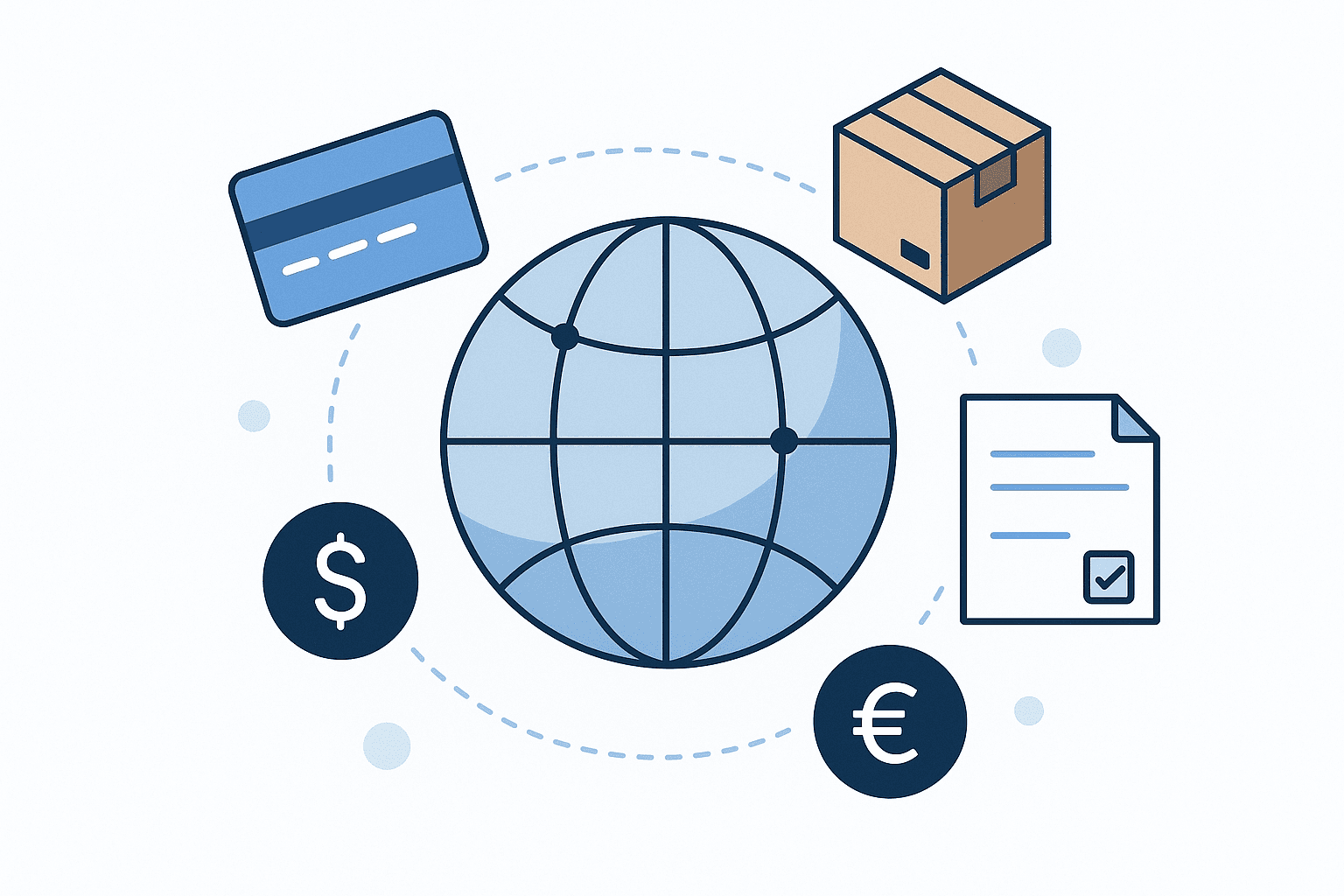
Reduce payment failures for foreign customers by localizing checkout to match buyer expectations. Present prices in the shopper's currency, support the most-used local payment methods, and automatically show duty- and tax-inclusive totals before payment. Use address formats and language norms that reduce AVS mismatches, and route transactions through regional processors to improve authorization. Clear delivery timelines and upfront costs build trust, minimizing last-minute declines and increasing conversion across markets.
FAQ
### What checkout changes most reduce payment failures for foreign buyers?
Localize currency, payment methods, address formats, and language; show duty- and tax-inclusive totals; and route transactions through regional processors. These steps increase familiarity, lower issuer risk, and improve authorization and conversion.
### Which local payment methods matter most for reducing foreign checkout failures?
Prioritize the highest-share methods in each market and ensure they are enabled at checkout. Support cards, trusted bank transfers, and popular wallets. Keep tokenization, 3DS, and refund flows aligned with local norms to avoid avoidable declines.
### Does displaying duties and taxes at checkout actually reduce declines?
Yes. Transparent, landed-cost pricing prevents unexpected fees that trigger abandonment, refusals, and bank risk flags. Clear totals increase customer confidence, reduce chargebacks, and raise approval rates at the point of payment.
### How does currency choice affect authorization rates for international payments?
Pricing and charging in the shopper's local currency reduces issuer FX checks and AVS mismatches. Avoid mixed-currency flows, and use local acquiring where possible to raise approval rates.
