How to automate tax compliance for global selling
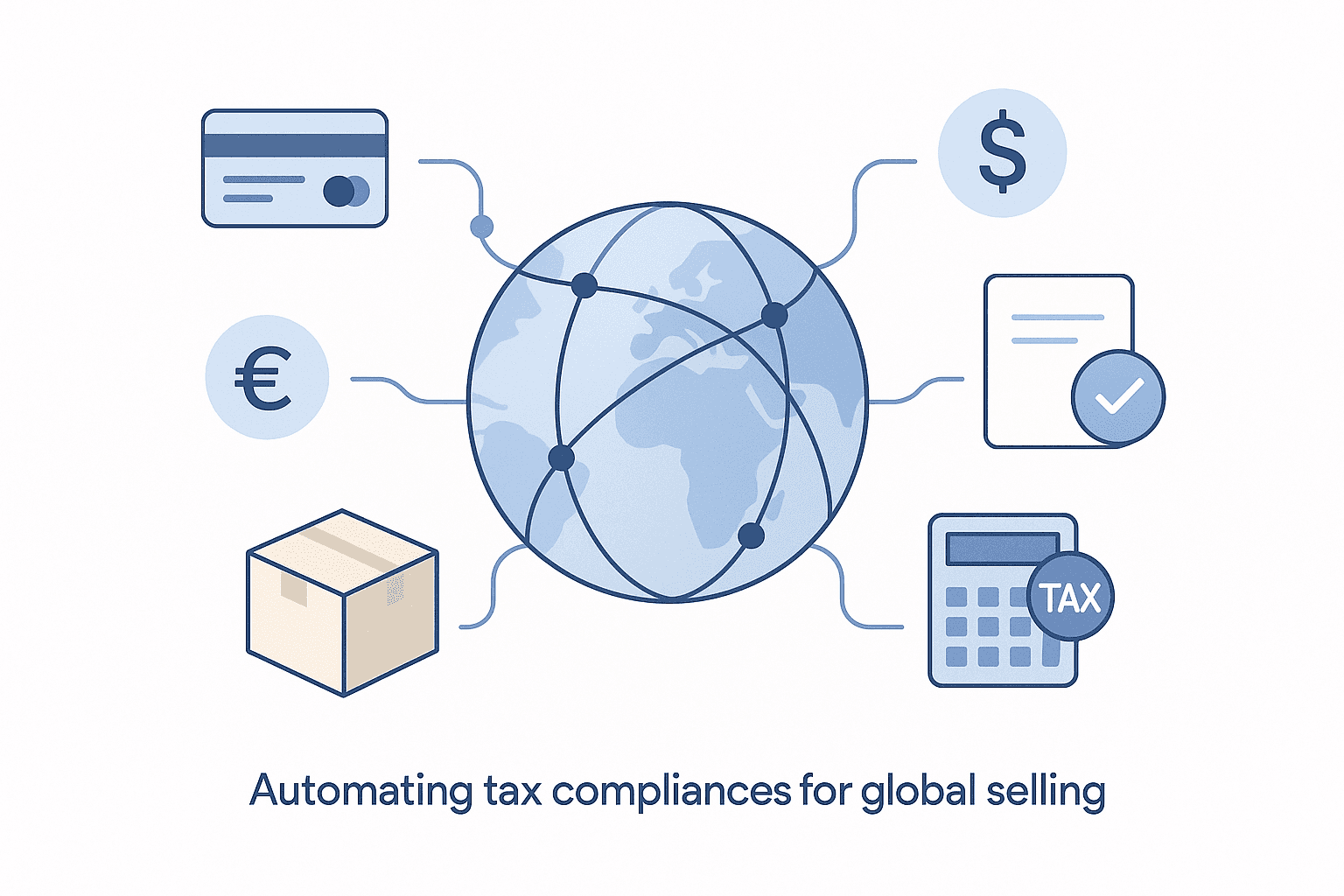
Automating tax compliance for global selling centers on price transparency and accurate collection. Detect buyer location, classify products, and apply jurisdictional rules to compute duties and taxes in real time. Present the full landed cost in local currency before payment and collect applicable amounts at checkout. Maintain audit-ready records, including calculations and location evidence. Keep registrations, thresholds, and rates synchronized automatically, reconcile settlements, and version rule changes to ensure compliant reporting and consistent customer expectations.

Explanation / Context

International checkout introduces more decision points than domestic checkout. Customers face currency conversion, unfamiliar payment flows, and unclear tax treatment.

When these elements are not localized, abandonment increases sharply.

How It Works

  1. Detect customer location

  2. Display prices in local currency

  3. Offer country-specific payment methods

  4. Show duties and taxes before payment

  5. Confirm delivery timelines upfront

Real-World Examples

A brand adds local currency and BNPL options for Middle East customers and reduces checkout abandonment by over 25%.

Common Mistakes

  • Showing prices only in USD

  • Hiding taxes until delivery

  • Relying only on card payments

Why This Matters for eCommerce Brands

Checkout optimization directly impacts conversion, CAC efficiency, and international LTV.

How SellAbroad Solves This

SellAbroad enables localized international checkout by supporting local currencies, regional payment methods, duty-inclusive pricing, and tax compliance in one system. Brands use SellAbroad to reduce abandonment and improve international conversion.

Explanation / Context

International checkout introduces more decision points than domestic checkout. Customers face currency conversion, unfamiliar payment flows, and unclear tax treatment.

When these elements are not localized, abandonment increases sharply.

How It Works

  1. Detect customer location

  2. Display prices in local currency

  3. Offer country-specific payment methods

  4. Show duties and taxes before payment

  5. Confirm delivery timelines upfront

Real-World Examples

A brand adds local currency and BNPL options for Middle East customers and reduces checkout abandonment by over 25%.

Common Mistakes

  • Showing prices only in USD

  • Hiding taxes until delivery

  • Relying only on card payments

Why This Matters for eCommerce Brands

Checkout optimization directly impacts conversion, CAC efficiency, and international LTV.

How SellAbroad Solves This

SellAbroad enables localized international checkout by supporting local currencies, regional payment methods, duty-inclusive pricing, and tax compliance in one system. Brands use SellAbroad to reduce abandonment and improve international conversion.

FAQ

### Do I need to show duties and taxes before payment for compliance?

Yes. Display the full landed cost at checkout in local currency, clearly distinguishing taxes and duties. This supports accurate collection, reduces disputes, and aligns with consumer disclosure and invoicing requirements in many jurisdictions.

### What records prove cross-border tax compliance?

Store invoices, calculation outputs, rate sources, timestamps, customer location evidence (billing, shipping, IP), product classifications, exemption certificates, payment confirmations, shipping documentation, and refund/adjustment logs. Retain them immutably for each jurisdiction’s required period.

### How do I keep tax rates, rules, and thresholds current?

Automate content updates to your rules engine, monitor registration thresholds, version every change, and test before deployment. Reconcile settlements regularly and alert on anomalies or unexpected rate changes.

### Should I use tax-inclusive pricing for international customers?

It depends on the jurisdiction. Use either tax-inclusive or tax-exclusive pricing, but disclose clearly, show the tax breakdown, and collect applicable amounts at checkout to ensure transparency and compliance.
