How to manage refunds and returns internationally
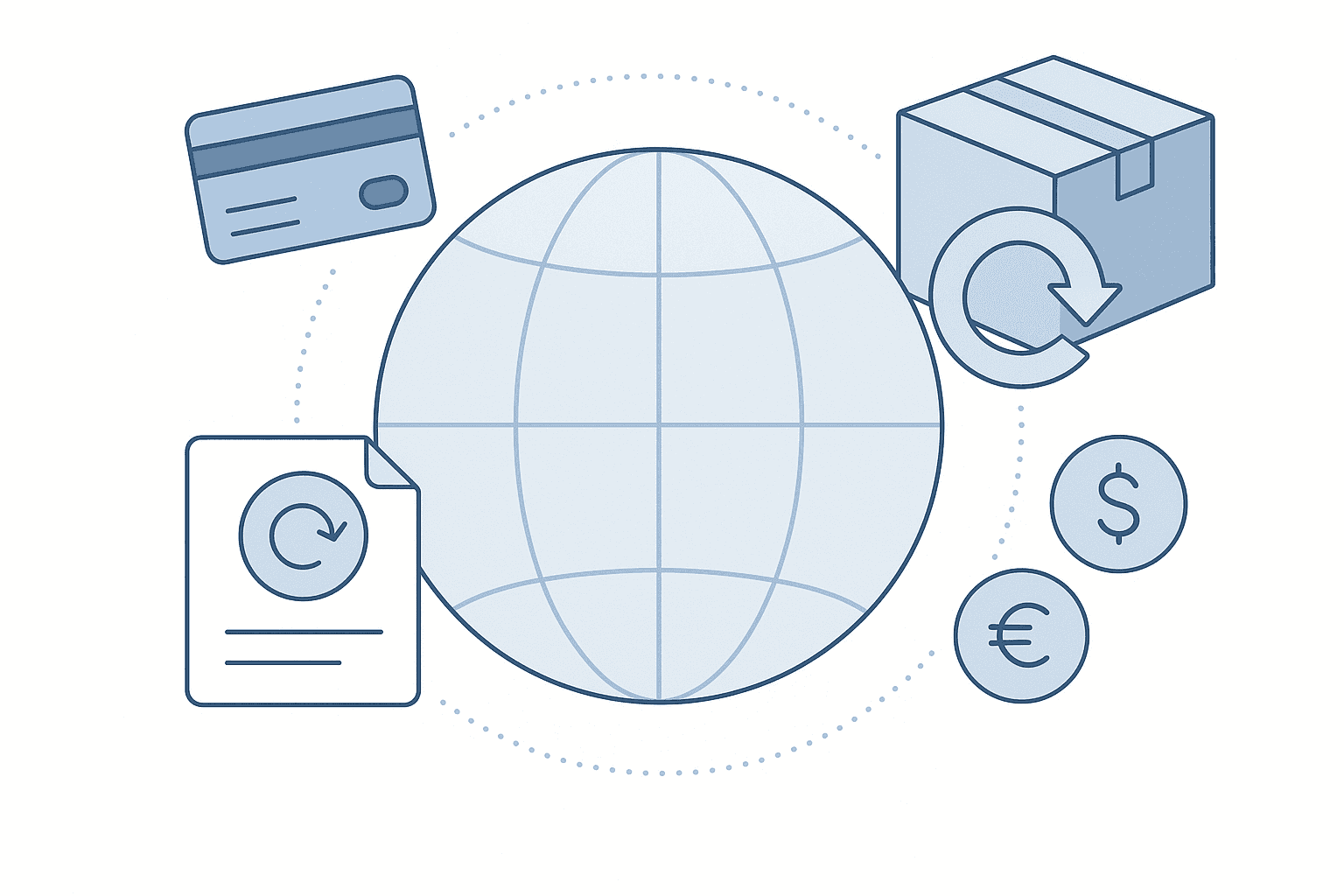
Manage international refunds and returns by centralizing policies, workflows, and data while localizing only customer-facing elements. Operate a unified RMA system with standardized SLAs, automated duties/tax handling, and multi-currency settlement. Consolidate logistics through regional hubs, pre-paid trackable labels, and carrier contracts. Maintain centralized inventory disposition and finance reconciliation across channels. Provide localized notifications and instructions, but keep core processes uniform to reduce cycle time, lower costs, and ensure compliance across countries.
FAQ
### How do I centralize international returns operations without losing local compliance?
Centralize core policies and workflows, then parameterize country rules—return windows, documentation, inspection criteria, and consumer rights. Use a compliance rules engine, localized content, and automated tax/duty logic.
### What systems should I connect to manage refunds and returns end-to-end?
Integrate the RMA portal with OMS, WMS, ERP, payment processors, tax/duty engine, and carrier APIs. Synchronize statuses to a central dashboard for finance, support, and inventory control.
### How can I reduce costs on cross-border returns?
Consolidate returns at regional hubs, use pre-negotiated carrier rates, enable local drop-off, and automate triage to route keep/return/refund decisions. Batch refunds and communications to cut handling time.
### How do multi-currency refunds work in practice?
Support refunds in the original tender and currency, display FX impact, and standardize SLAs. Reconcile differences from exchange rates and issuer policies in finance systems.
