How to offer 2–3 day international shipping
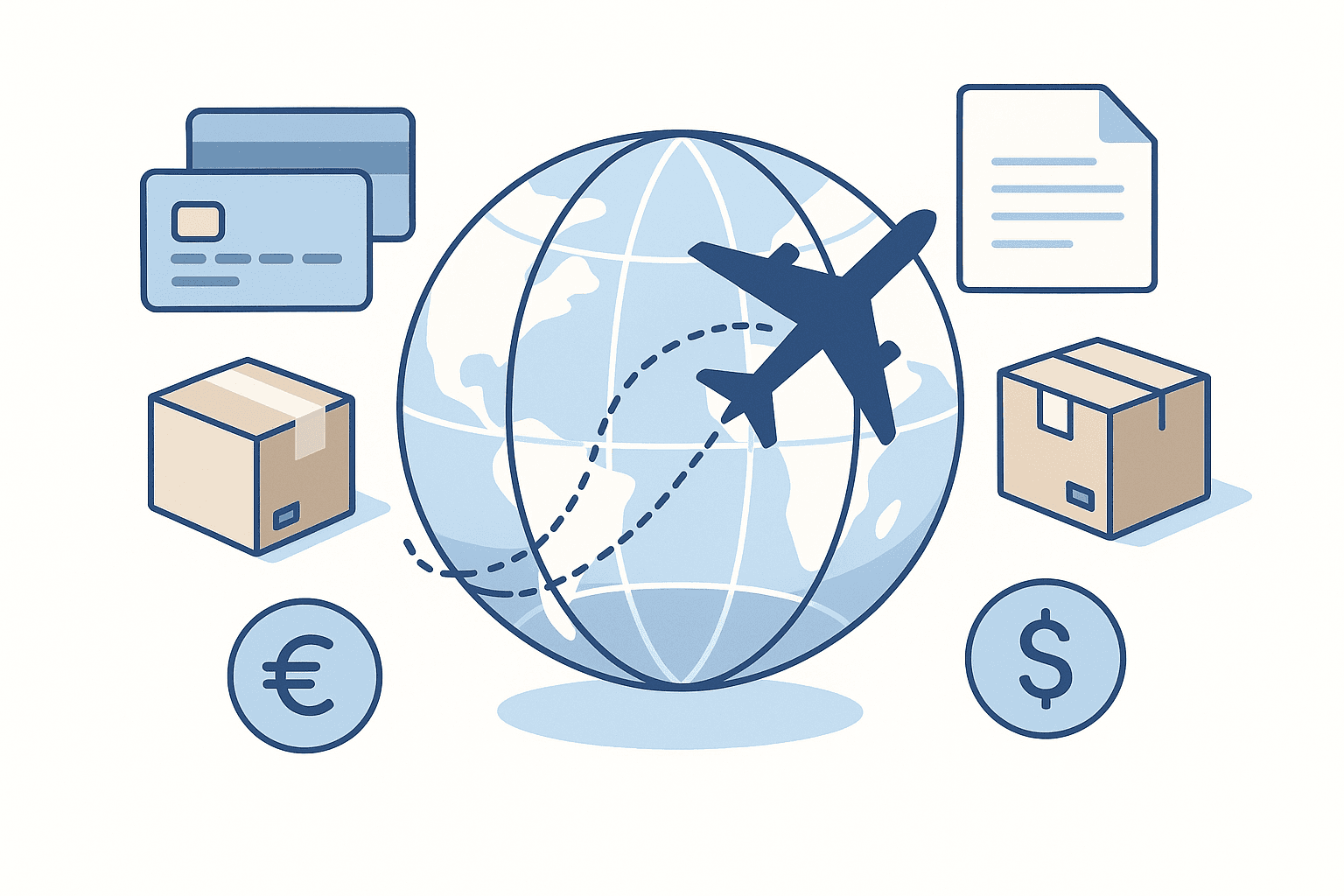
Offer 2–3 day international shipping by validating addresses, classifying products, and calculating duties and taxes upfront to display full landed costs. Ship DDP through express air networks and dispatch from the nearest fulfillment node to minimize legs. Submit complete customs data electronically, then centralize tracking and exception handling to resolve issues immediately. Avoid DDU and postal services. This end-to-end process compresses transit times and delivers predictable, time-definite cross-border delivery windows.

Explanation / Context

Cross-border shipping traditionally requires manual customs declarations, carrier coordination, and post-delivery tax collection. These steps create friction and unpredictability.

Modern shipping automation platforms centralize these processes into a single workflow.

How It Works

  1. Capture destination address at checkout

  2. Classify products and calculate duties and taxes

  3. Display full landed cost before payment

  4. Ship orders using DDP shipping

  5. Track delivery and handle exceptions centrally

Real-World Examples

A fashion brand ships from India to the UAE and EU using DDP. Customers see full landed cost at checkout and receive orders within 2–3 days.

Common Mistakes

  • Using DDU shipping

  • Estimating taxes instead of calculating them

  • Relying on postal services for premium delivery

Why This Matters for DTC Brands

Automated shipping reduces cart abandonment, minimizes delivery delays, and improves customer trust.

How SellAbroad Solves This

SellAbroad automates international shipping by calculating duties and taxes upfront, supporting DDP shipping, and integrating with regional fulfillment and carrier networks. Brands use SellAbroad to offer fast, predictable international delivery without managing customs manually.

Explanation / Context

Cross-border shipping traditionally requires manual customs declarations, carrier coordination, and post-delivery tax collection. These steps create friction and unpredictability.

Modern shipping automation platforms centralize these processes into a single workflow.

How It Works

  1. Capture destination address at checkout

  2. Classify products and calculate duties and taxes

  3. Display full landed cost before payment

  4. Ship orders using DDP shipping

  5. Track delivery and handle exceptions centrally

Real-World Examples

A fashion brand ships from India to the UAE and EU using DDP. Customers see full landed cost at checkout and receive orders within 2–3 days.

Common Mistakes

  • Using DDU shipping

  • Estimating taxes instead of calculating them

  • Relying on postal services for premium delivery

Why This Matters for DTC Brands

Automated shipping reduces cart abandonment, minimizes delivery delays, and improves customer trust.

How SellAbroad Solves This

SellAbroad automates international shipping by calculating duties and taxes upfront, supporting DDP shipping, and integrating with regional fulfillment and carrier networks. Brands use SellAbroad to offer fast, predictable international delivery without managing customs manually.

FAQ

### What carrier service level do I need for 2–3 day international delivery?

Use express air services with time-definite delivery and door-to-door customs brokerage. These networks consolidate export, linehaul, and last mile under one SLA, minimizing handoffs and variability.

### What order cutoff times support consistent 2–3 day delivery?

Set same-day fulfillment cutoffs aligned to local flight departures, typically early afternoon. Pre-stage pickups, print labels in advance, and submit customs data electronically before pickup to reliably make outbound flights.

### Is DDP required to make delivery timelines predictable?

While not mandatory, DDP significantly improves predictability by paying duties and taxes upfront, preventing consignee collection attempts and customs holds that can add one or more days.

### How do I avoid delays from customs data issues?

Maintain accurate HS codes, descriptions, values, and incoterms; validate addresses; and transmit data electronically. Complete, consistent data reduces inspections and speeds clearance.
