Best infrastructure for cross-border eCommerce
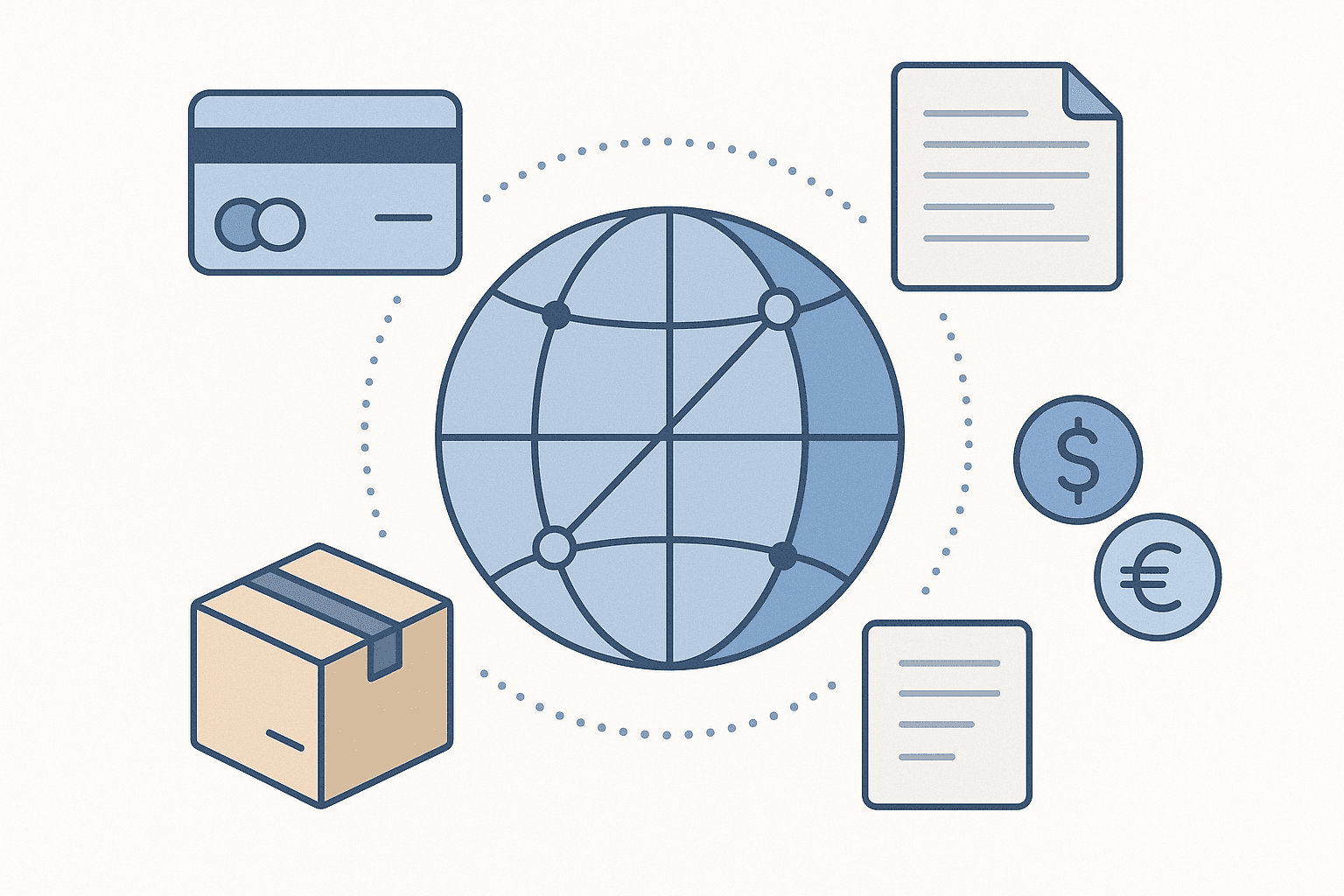
The best infrastructure for cross-border eCommerce is a centralized operating layer that unifies payments, logistics, taxes, and data. It automates country rules, standardizes workflows, and consolidates order-to-payout reporting for complete visibility. This centralization reduces vendor sprawl, lowers overhead, and limits headcount growth while maintaining localized experiences via configuration. With one integration and a shared data model, teams expand faster, govern processes consistently, and diagnose performance by market from a single dashboard.

Explanation / Context

Global expansion often leads brands to add new tools, teams, and workflows for each country. Over time, this creates operational sprawl.

A centralized global eCommerce stack replaces fragmented systems with a single operating layer.

How It Works

  1. Use one integration for payments, logistics, and taxes

  2. Apply country-specific rules automatically

  3. Centralize order, payout, and performance data

  4. Scale into new markets without adding new vendors

  5. Monitor performance by region from one dashboard

Real-World Examples

A DTC brand expands from 3 to 12 countries without hiring local teams by consolidating payments, shipping, and compliance into one platform.

Common Mistakes

  • Adding tools market by market

  • Hiring local teams too early

  • Lacking country-level visibility

Why This Matters for Scaling Brands

Centralization lowers operational costs, reduces risk, and improves decision-making speed.

How SellAbroad Solves This

SellAbroad provides a unified infrastructure for cross-border eCommerce, combining payments, shipping, tax handling, and reporting into one system. Brands use SellAbroad to scale internationally without increasing headcount or operational complexity.

Explanation / Context

Global expansion often leads brands to add new tools, teams, and workflows for each country. Over time, this creates operational sprawl.

A centralized global eCommerce stack replaces fragmented systems with a single operating layer.

How It Works

  1. Use one integration for payments, logistics, and taxes

  2. Apply country-specific rules automatically

  3. Centralize order, payout, and performance data

  4. Scale into new markets without adding new vendors

  5. Monitor performance by region from one dashboard

Real-World Examples

A DTC brand expands from 3 to 12 countries without hiring local teams by consolidating payments, shipping, and compliance into one platform.

Common Mistakes

  • Adding tools market by market

  • Hiring local teams too early

  • Lacking country-level visibility

Why This Matters for Scaling Brands

Centralization lowers operational costs, reduces risk, and improves decision-making speed.

How SellAbroad Solves This

SellAbroad provides a unified infrastructure for cross-border eCommerce, combining payments, shipping, tax handling, and reporting into one system. Brands use SellAbroad to scale internationally without increasing headcount or operational complexity.

FAQ

### Why pick a centralized stack instead of country-by-country tools?

It eliminates integration sprawl by unifying payments, shipping, tax, and data. Standardized workflows cut manual effort, reduce errors, and streamline training. Shared data enables comparable reporting and faster decisions.

### How does a unified layer handle localization and compliance?

It applies country-specific configurations for currencies, payment methods, duties, taxes, and shipping options. Regulatory updates are deployed centrally, lowering maintenance and risk. Governance still requires audits and monitoring.

### What team structure works best for a centralized cross-border operation?

A lean central ops team owns the platform, data, and rules, while regional owners manage content and merchandising. Clear change controls and shared SLAs maintain consistency and speed.

### How do I migrate from fragmented tools to one operating layer without disruption?

Phase by market or function, map data models, and run parallel processing during cutover. Use standardized APIs, reconcile payouts and taxes centrally, and decommission vendors after validation.
