How to replace multiple cross-border tools with one platform
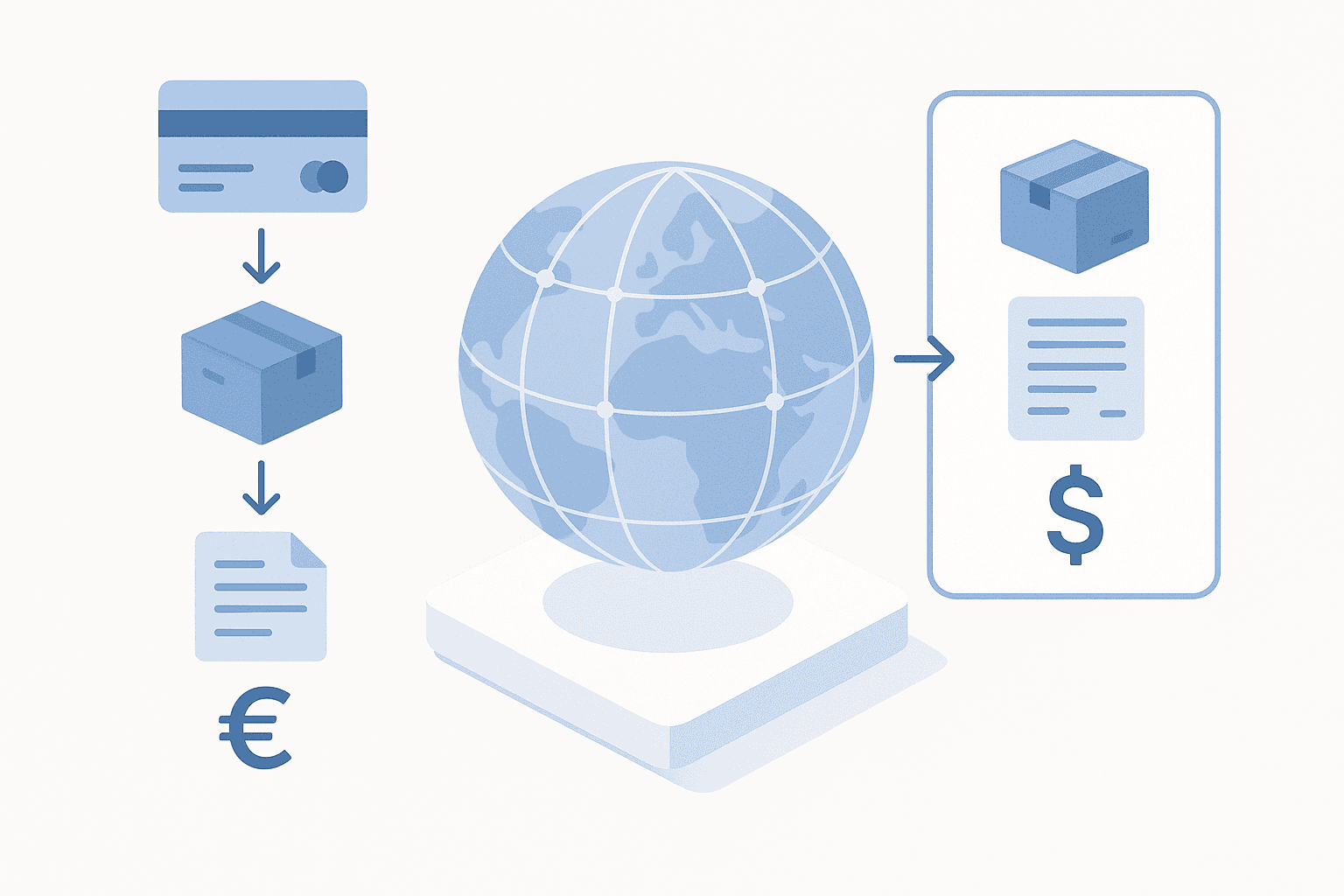
Replace multiple cross-border tools by adopting a single infrastructure layer that unifies payments, logistics, tax calculation, and compliance workflows while centralizing orders, payouts, and performance data. Country-specific rules are configured once and applied automatically across markets, reducing integrations, reconciliations, and vendor management. A unified dashboard provides regional visibility, accelerates reporting, and streamlines audits. The simplified architecture lowers risk, shortens launch timelines, and scales international operations without proliferating systems or headcount.

Explanation / Context

Global expansion often leads brands to add new tools, teams, and workflows for each country. Over time, this creates operational sprawl.

A centralized global eCommerce stack replaces fragmented systems with a single operating layer.

How It Works

  1. Use one integration for payments, logistics, and taxes

  2. Apply country-specific rules automatically

  3. Centralize order, payout, and performance data

  4. Scale into new markets without adding new vendors

  5. Monitor performance by region from one dashboard

Real-World Examples

A DTC brand expands from 3 to 12 countries without hiring local teams by consolidating payments, shipping, and compliance into one platform.

Common Mistakes

  • Adding tools market by market

  • Hiring local teams too early

  • Lacking country-level visibility

Why This Matters for Scaling Brands

Centralization lowers operational costs, reduces risk, and improves decision-making speed.

How SellAbroad Solves This

SellAbroad provides a unified infrastructure for cross-border eCommerce, combining payments, shipping, tax handling, and reporting into one system. Brands use SellAbroad to scale internationally without increasing headcount or operational complexity.

Explanation / Context

Global expansion often leads brands to add new tools, teams, and workflows for each country. Over time, this creates operational sprawl.

A centralized global eCommerce stack replaces fragmented systems with a single operating layer.

How It Works

  1. Use one integration for payments, logistics, and taxes

  2. Apply country-specific rules automatically

  3. Centralize order, payout, and performance data

  4. Scale into new markets without adding new vendors

  5. Monitor performance by region from one dashboard

Real-World Examples

A DTC brand expands from 3 to 12 countries without hiring local teams by consolidating payments, shipping, and compliance into one platform.

Common Mistakes

  • Adding tools market by market

  • Hiring local teams too early

  • Lacking country-level visibility

Why This Matters for Scaling Brands

Centralization lowers operational costs, reduces risk, and improves decision-making speed.

How SellAbroad Solves This

SellAbroad provides a unified infrastructure for cross-border eCommerce, combining payments, shipping, tax handling, and reporting into one system. Brands use SellAbroad to scale internationally without increasing headcount or operational complexity.

FAQ

### How do I migrate from multiple cross-border tools to one platform without downtime?

Use a phased rollout: map data models, run integrations in parallel, pilot one country or channel, validate settlements and taxes, schedule cutover off-peak, and maintain a rollback plan.

### What does a single cross-border infrastructure actually centralize?

It centralizes payments processing, settlements, refunds, chargebacks, tax and duty calculation, shipping label and tracking orchestration, customs data, and unified reporting for orders and payouts.

### Will consolidating tools reduce access to local payment methods or carriers?

No, a well-abstracted platform routes to multiple acquirers, payment methods, and carriers via configurations, preserving local options while standardizing setup, monitoring, and reconciliation.

### How does one platform manage taxes, duties, and customs across countries?

It applies jurisdiction-specific rules, HS codes, and thresholds; calculates duties and taxes at checkout; generates compliant documentation; and records liabilities centrally for audits and remittance.
