Cost of managing global eCommerce operations
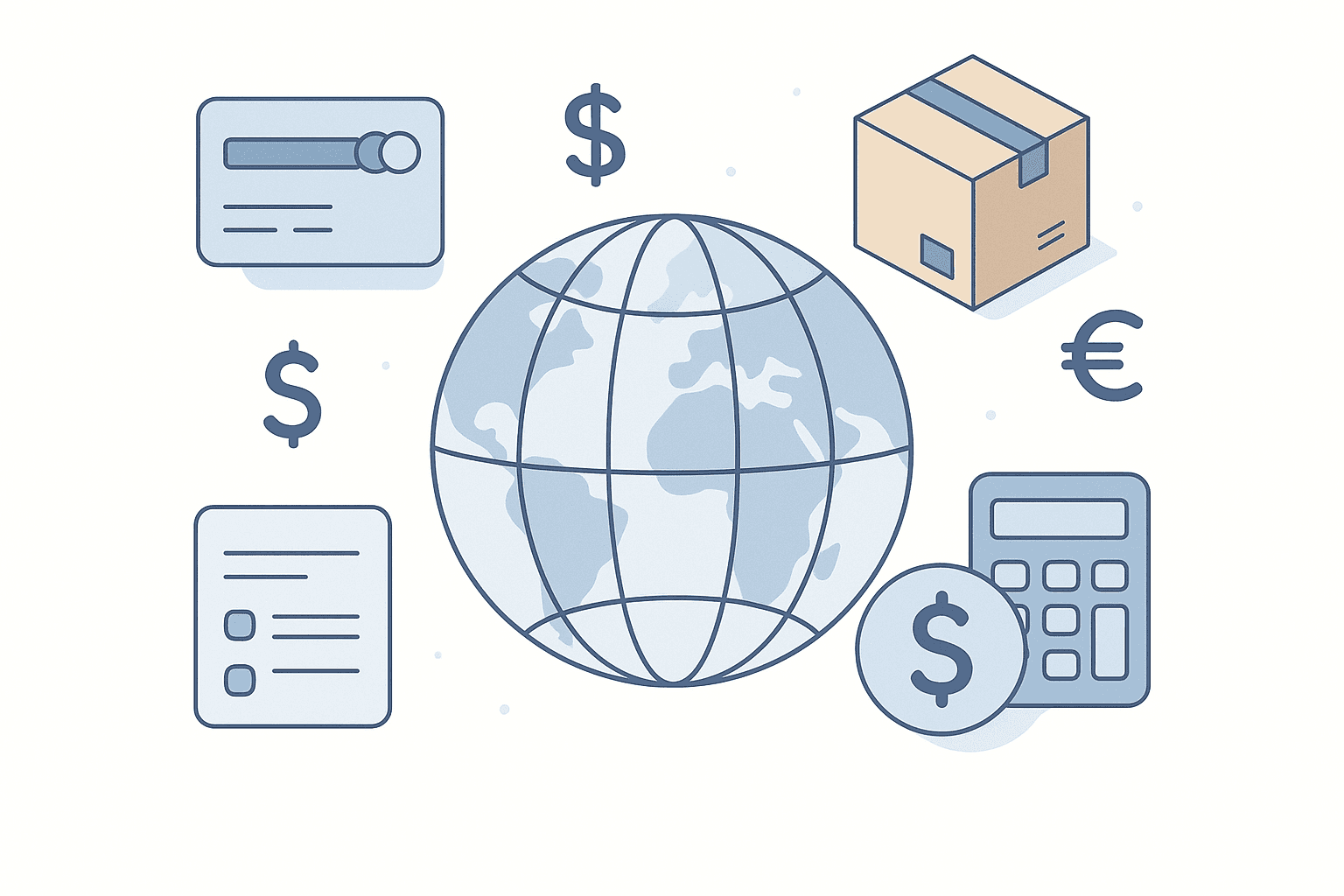
The most cost-effective way to manage global eCommerce operations is to centralize payments, logistics, taxes, and reporting into a single operating layer. Consolidation reduces vendor sprawl, curbs headcount growth, and eliminates duplicate systems, minimizing both fixed and variable costs. Automated, country-specific controls sustain compliance and lower regulatory risk. Unified data increases visibility for faster anomaly detection and remediation. This approach shortens time-to-market and scales predictably while avoiding fragmented local setups that inflate integration, maintenance, and incident costs.
FAQ
### What costs increase most when managing global eCommerce without centralization?
Vendor management overhead, duplicated integrations, local headcount, fragmented support, and manual compliance work drive fixed costs up. Inconsistent rules raise variable costs through failed authorizations, misapplied duties, avoidable returns, chargebacks, and penalties.
### How does centralization reduce regulatory and operational risk?
It enforces standardized policies with country-specific rules, automates tax and duty calculations, centralizes reconciliation and reporting, and provides audit trails and monitoring. Consistency lowers error rates, fines, and incident response time.
### Which metrics should I track to keep global operating costs low?
Monitor cost to fulfill per order, payment acceptance and chargeback rate, return/refund rates, duty/tax accuracy, support tickets per region, time-to-launch, and vendors under management.
### How can I estimate savings from consolidating vendors?
Model total cost of ownership: software and gateway fees, integration and maintenance hours, regional headcount, dispute losses, compliance penalties, and SLA impacts. Compare baseline to a centralized architecture, including transition and deprecation costs, to quantify net savings and payback.
