How to reduce operational overhead in global selling
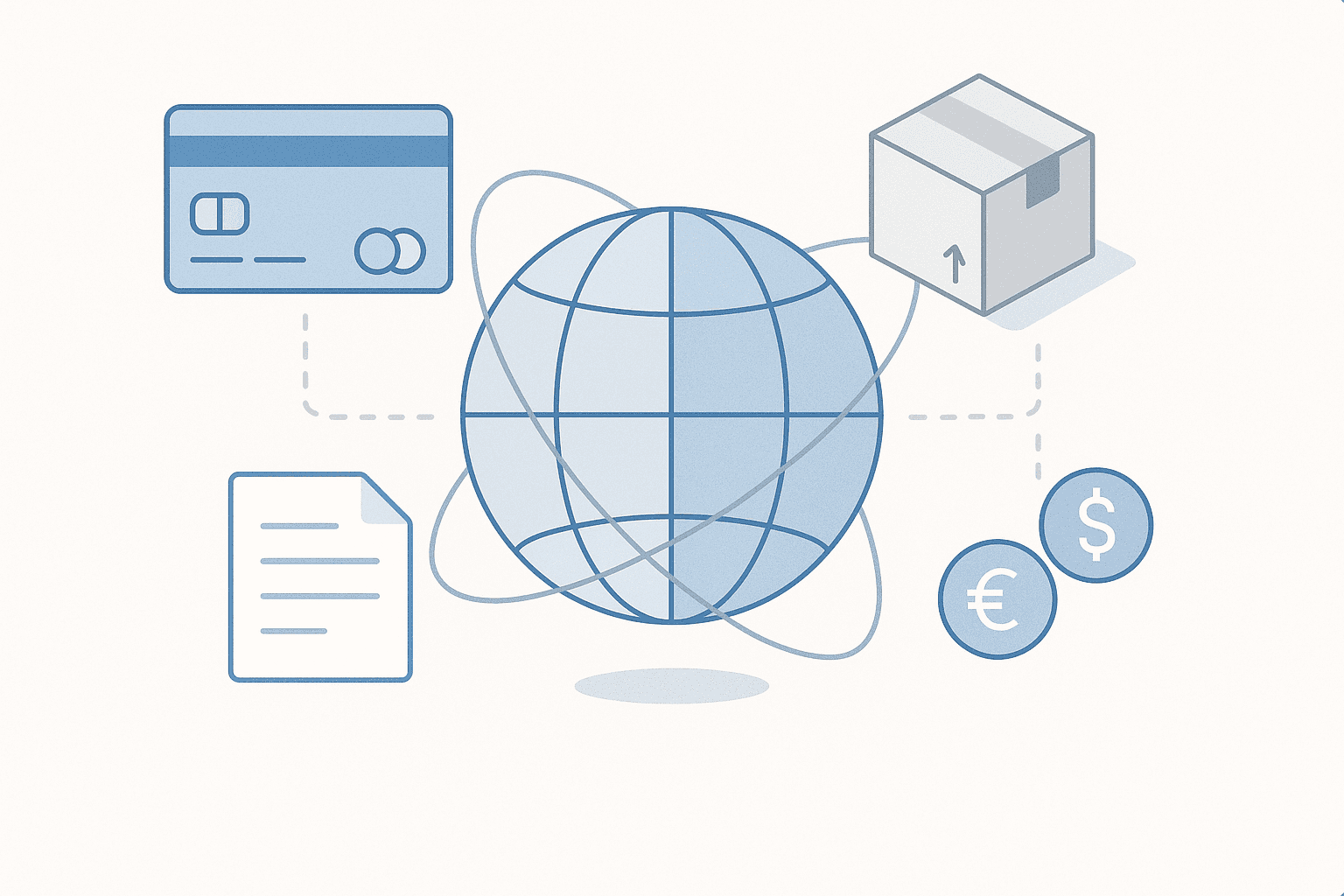
Reduce operational overhead in global selling by simplifying cross-border infrastructure into a single operating layer. Centralize payments, logistics, taxation, and compliance while automating country-specific rules. Standardize order, payout, and performance workflows and consolidate reporting for unified visibility. Scale into new markets through configuration rather than new vendors or teams, limiting tool sprawl and headcount growth. Monitor regional performance from one dashboard to accelerate decisions, maintain local compliance, lower risk, and sustain efficiency as volumes increase.

Explanation / Context

Global expansion often leads brands to add new tools, teams, and workflows for each country. Over time, this creates operational sprawl.

A centralized global eCommerce stack replaces fragmented systems with a single operating layer.

How It Works

  1. Use one integration for payments, logistics, and taxes

  2. Apply country-specific rules automatically

  3. Centralize order, payout, and performance data

  4. Scale into new markets without adding new vendors

  5. Monitor performance by region from one dashboard

Real-World Examples

A DTC brand expands from 3 to 12 countries without hiring local teams by consolidating payments, shipping, and compliance into one platform.

Common Mistakes

  • Adding tools market by market

  • Hiring local teams too early

  • Lacking country-level visibility

Why This Matters for Scaling Brands

Centralization lowers operational costs, reduces risk, and improves decision-making speed.

How SellAbroad Solves This

SellAbroad provides a unified infrastructure for cross-border eCommerce, combining payments, shipping, tax handling, and reporting into one system. Brands use SellAbroad to scale internationally without increasing headcount or operational complexity.

Explanation / Context

Global expansion often leads brands to add new tools, teams, and workflows for each country. Over time, this creates operational sprawl.

A centralized global eCommerce stack replaces fragmented systems with a single operating layer.

How It Works

  1. Use one integration for payments, logistics, and taxes

  2. Apply country-specific rules automatically

  3. Centralize order, payout, and performance data

  4. Scale into new markets without adding new vendors

  5. Monitor performance by region from one dashboard

Real-World Examples

A DTC brand expands from 3 to 12 countries without hiring local teams by consolidating payments, shipping, and compliance into one platform.

Common Mistakes

  • Adding tools market by market

  • Hiring local teams too early

  • Lacking country-level visibility

Why This Matters for Scaling Brands

Centralization lowers operational costs, reduces risk, and improves decision-making speed.

How SellAbroad Solves This

SellAbroad provides a unified infrastructure for cross-border eCommerce, combining payments, shipping, tax handling, and reporting into one system. Brands use SellAbroad to scale internationally without increasing headcount or operational complexity.

FAQ

### What does a centralized cross-border infrastructure include?

It unifies payments, shipping and logistics, tax and duty handling, compliance logic, and consolidated reporting into one operating layer, with automated country-specific rules applied consistently across regions.

### How can I add a new country without increasing overhead?

Use configuration-driven setup for currencies, taxes, shipping options, and compliance within the centralized layer, avoiding new vendors, custom integrations, or additional local teams.

### Will centralizing operations reduce flexibility for local requirements?

No. Maintain country-level overrides for pricing, tax rules, delivery methods, and compliance policies while preserving standardized workflows and a single source of truth.

### How does infrastructure simplification reduce customs and duty errors?

Automating product classification, duty and tax calculation, and document generation within one layer removes manual steps, ensures consistent rule application, and reduces cross-border errors and rework.
