Cheapest way to ship products to customers worldwide
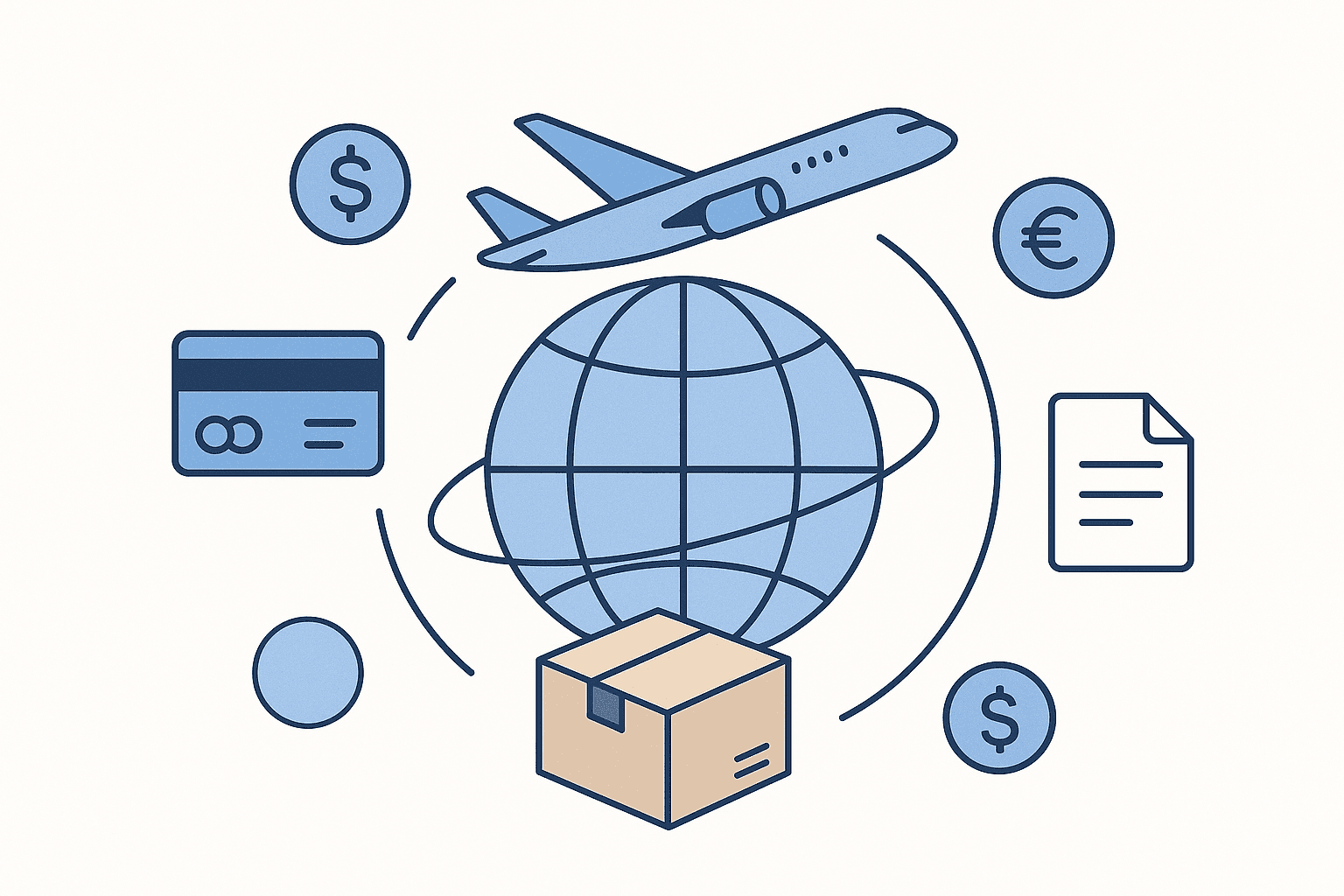
The cheapest way to ship worldwide is to automate cross-border compliance and ship DDP with duties and taxes calculated upfront. Accurate classification and landed-cost checkout prevent surprise charges, refusals, and costly re-deliveries. Multi-carrier rate shopping and regional fulfillment reduce transport spend while meeting service levels. Centralized tracking and exception handling limit manual work, penalties, and returns. This end-to-end workflow minimizes total landed cost and operational risk across markets while maintaining predictable delivery timelines.

Explanation / Context

Cross-border shipping traditionally requires manual customs declarations, carrier coordination, and post-delivery tax collection. These steps create friction and unpredictability.

Modern shipping automation platforms centralize these processes into a single workflow.

How It Works

  1. Capture destination address at checkout

  2. Classify products and calculate duties and taxes

  3. Display full landed cost before payment

  4. Ship orders using DDP shipping

  5. Track delivery and handle exceptions centrally

Real-World Examples

A fashion brand ships from India to the UAE and EU using DDP. Customers see full landed cost at checkout and receive orders within 2–3 days.

Common Mistakes

  • Using DDU shipping

  • Estimating taxes instead of calculating them

  • Relying on postal services for premium delivery

Why This Matters for DTC Brands

Automated shipping reduces cart abandonment, minimizes delivery delays, and improves customer trust.

How SellAbroad Solves This

SellAbroad automates international shipping by calculating duties and taxes upfront, supporting DDP shipping, and integrating with regional fulfillment and carrier networks. Brands use SellAbroad to offer fast, predictable international delivery without managing customs manually.

Explanation / Context

Cross-border shipping traditionally requires manual customs declarations, carrier coordination, and post-delivery tax collection. These steps create friction and unpredictability.

Modern shipping automation platforms centralize these processes into a single workflow.

How It Works

  1. Capture destination address at checkout

  2. Classify products and calculate duties and taxes

  3. Display full landed cost before payment

  4. Ship orders using DDP shipping

  5. Track delivery and handle exceptions centrally

Real-World Examples

A fashion brand ships from India to the UAE and EU using DDP. Customers see full landed cost at checkout and receive orders within 2–3 days.

Common Mistakes

  • Using DDU shipping

  • Estimating taxes instead of calculating them

  • Relying on postal services for premium delivery

Why This Matters for DTC Brands

Automated shipping reduces cart abandonment, minimizes delivery delays, and improves customer trust.

How SellAbroad Solves This

SellAbroad automates international shipping by calculating duties and taxes upfront, supporting DDP shipping, and integrating with regional fulfillment and carrier networks. Brands use SellAbroad to offer fast, predictable international delivery without managing customs manually.

FAQ

### Is DDP always cheaper than DDU for international orders?

Usually, yes over the full delivery cycle. DDP eliminates doorstep collections, storage, brokerage surprises, and refusal-driven returns, shrinking re-delivery, handling, and support costs. DDU’s lower sticker price often inflates total landed cost through delays and penalties.

### How does showing landed cost at checkout reduce my costs?

It sets accurate expectations, cutting cart abandonment, chargebacks, and disputes. It also decreases customs holds, failed deliveries, and return logistics, lowering support workload and carrier surcharges.

### What data do I need to calculate duties and taxes accurately?

Correct HS code, item description, country of origin, declared value and currency, shipment purpose, incoterm, destination tax rules, recipient tax IDs where required, and product restrictions.

### Which KPIs prove my cross-border shipping is cost-optimized?

Monitor delivery success rate, first-attempt delivery rate, customs hold rate, return rate, re-delivery fees per order, total landed cost variance, and support contacts per shipment.
