How to calculate duties and import taxes
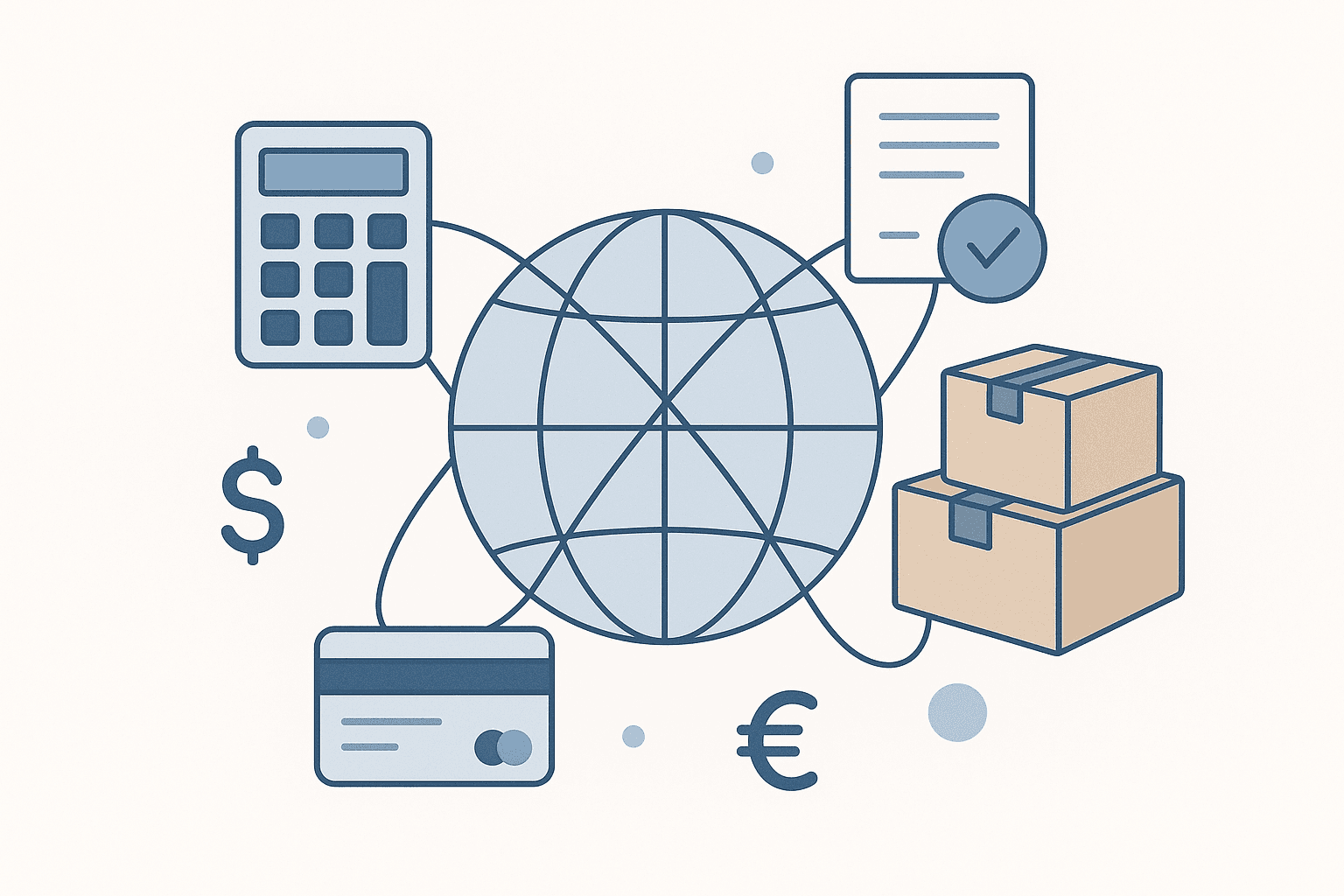
Calculate duties and import taxes by establishing the customs value (goods, shipping, insurance), classifying items with accurate HS codes, and applying destination-specific duty rates and VAT/GST while considering de minimis thresholds and trade preferences. Include brokerage, disbursement, and handling fees to show the true landed cost. Use Incoterms consistently, favoring DDP to prepay charges, support proper tax remittance, and provide transparent pricing at checkout with complete, compliant documentation.

Explanation / Context

Cross-border shipping traditionally requires manual customs declarations, carrier coordination, and post-delivery tax collection. These steps create friction and unpredictability.

Modern shipping automation platforms centralize these processes into a single workflow.

How It Works

  1. Capture destination address at checkout

  2. Classify products and calculate duties and taxes

  3. Display full landed cost before payment

  4. Ship orders using DDP shipping

  5. Track delivery and handle exceptions centrally

Real-World Examples

A fashion brand ships from India to the UAE and EU using DDP. Customers see full landed cost at checkout and receive orders within 2–3 days.

Common Mistakes

  • Using DDU shipping

  • Estimating taxes instead of calculating them

  • Relying on postal services for premium delivery

Why This Matters for DTC Brands

Automated shipping reduces cart abandonment, minimizes delivery delays, and improves customer trust.

How SellAbroad Solves This

SellAbroad automates international shipping by calculating duties and taxes upfront, supporting DDP shipping, and integrating with regional fulfillment and carrier networks. Brands use SellAbroad to offer fast, predictable international delivery without managing customs manually.

Explanation / Context

Cross-border shipping traditionally requires manual customs declarations, carrier coordination, and post-delivery tax collection. These steps create friction and unpredictability.

Modern shipping automation platforms centralize these processes into a single workflow.

How It Works

  1. Capture destination address at checkout

  2. Classify products and calculate duties and taxes

  3. Display full landed cost before payment

  4. Ship orders using DDP shipping

  5. Track delivery and handle exceptions centrally

Real-World Examples

A fashion brand ships from India to the UAE and EU using DDP. Customers see full landed cost at checkout and receive orders within 2–3 days.

Common Mistakes

  • Using DDU shipping

  • Estimating taxes instead of calculating them

  • Relying on postal services for premium delivery

Why This Matters for DTC Brands

Automated shipping reduces cart abandonment, minimizes delivery delays, and improves customer trust.

How SellAbroad Solves This

SellAbroad automates international shipping by calculating duties and taxes upfront, supporting DDP shipping, and integrating with regional fulfillment and carrier networks. Brands use SellAbroad to offer fast, predictable international delivery without managing customs manually.

FAQ

### What information do I need to calculate duties and import taxes?

You need the HS code, country of origin, and the customs value including goods, freight, insurance, and discounts. Destination, Incoterms, de minimis rules, and trade agreements determine duty and VAT/GST. Accurate documentation is essential.

### How does DDP improve price transparency and tax compliance?

DDP collects duties, taxes, and fees before shipping, presenting a full landed cost at checkout. This prevents surprise charges, ensures proper tax remittance, and aligns documentation with customs requirements, improving transparency and compliance.

### Do de minimis thresholds exempt VAT/GST as well as duties?

Not always. Some countries waive duties below the de minimis but still charge VAT/GST; others waive both. Thresholds, valuation bases, and exclusions vary by jurisdiction.

### What records prove that duties and taxes were correctly calculated and paid?

Keep the commercial invoice, packing list, HS classifications, origin evidence, Incoterms used, duty/tax calculations, payment receipts, broker entries, and any certificates or rulings. Retain them per the destination’s record-keeping requirements.
