How to show landed cost to customers before they pay
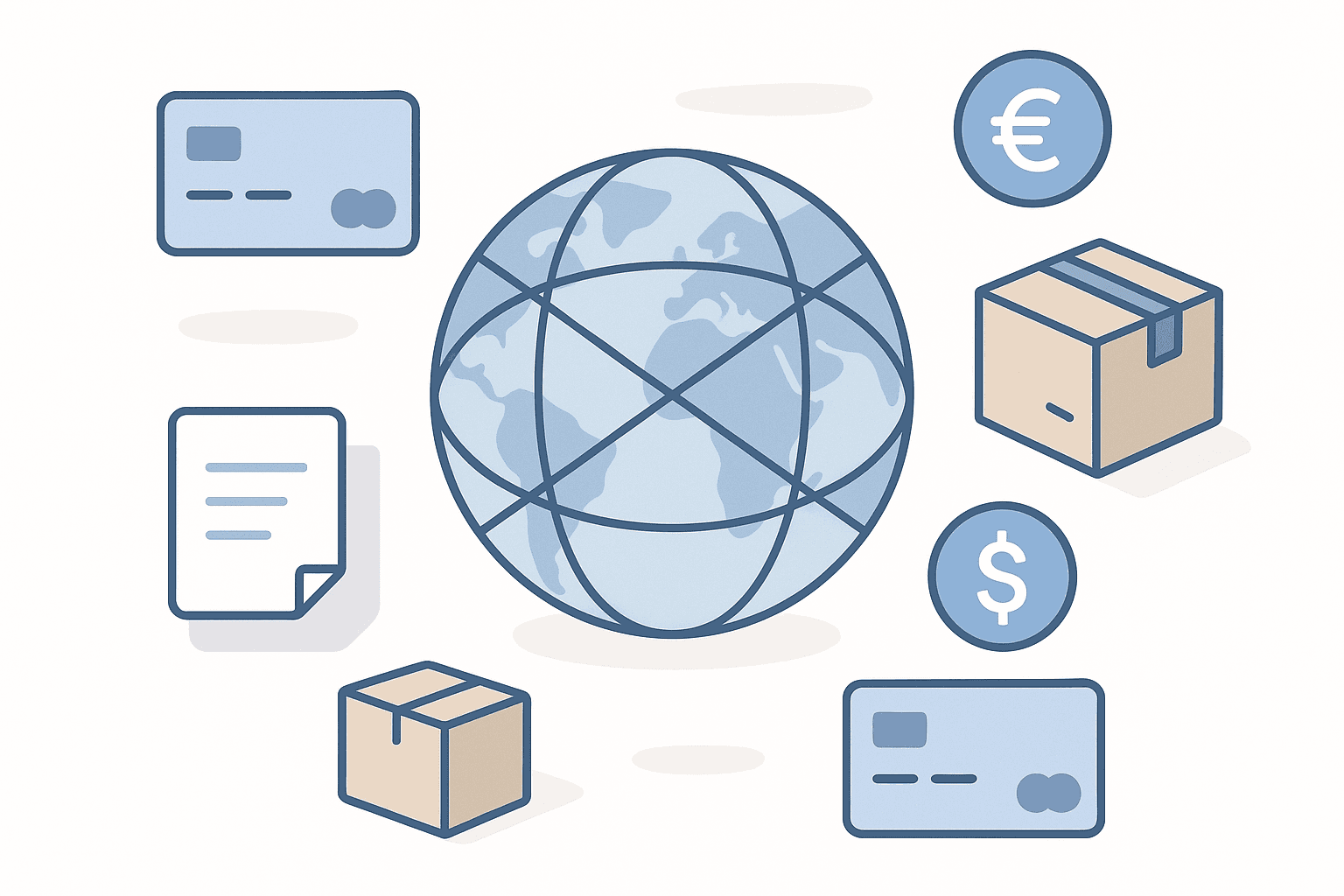
Capture destination details at checkout, classify items with correct HS codes, and compute duties, taxes, and fees in real time. Display a transparent cost breakdown and collect all charges at checkout, then ship DDP to avoid doorstep collection. Integrate carrier and customs data, validate addresses, and centralize exception handling. This process minimizes surprise fees, failed deliveries, and return risks while controlling total cost-to-serve and preventing post-sale disputes, refunds, and operational rework.

Explanation / Context

Cross-border shipping traditionally requires manual customs declarations, carrier coordination, and post-delivery tax collection. These steps create friction and unpredictability.

Modern shipping automation platforms centralize these processes into a single workflow.

How It Works

  1. Capture destination address at checkout

  2. Classify products and calculate duties and taxes

  3. Display full landed cost before payment

  4. Ship orders using DDP shipping

  5. Track delivery and handle exceptions centrally

Real-World Examples

A fashion brand ships from India to the UAE and EU using DDP. Customers see full landed cost at checkout and receive orders within 2–3 days.

Common Mistakes

  • Using DDU shipping

  • Estimating taxes instead of calculating them

  • Relying on postal services for premium delivery

Why This Matters for DTC Brands

Automated shipping reduces cart abandonment, minimizes delivery delays, and improves customer trust.

How SellAbroad Solves This

SellAbroad automates international shipping by calculating duties and taxes upfront, supporting DDP shipping, and integrating with regional fulfillment and carrier networks. Brands use SellAbroad to offer fast, predictable international delivery without managing customs manually.

Explanation / Context

Cross-border shipping traditionally requires manual customs declarations, carrier coordination, and post-delivery tax collection. These steps create friction and unpredictability.

Modern shipping automation platforms centralize these processes into a single workflow.

How It Works

  1. Capture destination address at checkout

  2. Classify products and calculate duties and taxes

  3. Display full landed cost before payment

  4. Ship orders using DDP shipping

  5. Track delivery and handle exceptions centrally

Real-World Examples

A fashion brand ships from India to the UAE and EU using DDP. Customers see full landed cost at checkout and receive orders within 2–3 days.

Common Mistakes

  • Using DDU shipping

  • Estimating taxes instead of calculating them

  • Relying on postal services for premium delivery

Why This Matters for DTC Brands

Automated shipping reduces cart abandonment, minimizes delivery delays, and improves customer trust.

How SellAbroad Solves This

SellAbroad automates international shipping by calculating duties and taxes upfront, supporting DDP shipping, and integrating with regional fulfillment and carrier networks. Brands use SellAbroad to offer fast, predictable international delivery without managing customs manually.

FAQ

### What information do I need from the customer to calculate landed cost at checkout?

Collect destination country, state or province, postal code, and full address, plus shipping method. Ensure each product has price, currency, HS code, weight, materials, and country of origin.

### Does showing landed cost upfront reduce financial risk?

Yes. It prevents unexpected carrier collections, lowers chargebacks and refusals, reduces return logistics costs, and minimizes customs holds and storage fees by ensuring duties and taxes are prepaid accurately.

### Is DDP required to prevent extra charges on delivery?

DDP is the most reliable way to avoid doorstep charges because duties and taxes are paid before shipment. Without DDP, customers may still face carrier collection on arrival.

### How accurate are duties and taxes shown at checkout?

Accuracy depends on correct HS classification, thresholds, trade agreements, and current rates. Minor variance can occur due to customs rounding or documentation issues; validations and up-to-date data minimize discrepancies.
