Best DDP solution for cross-border eCommerce
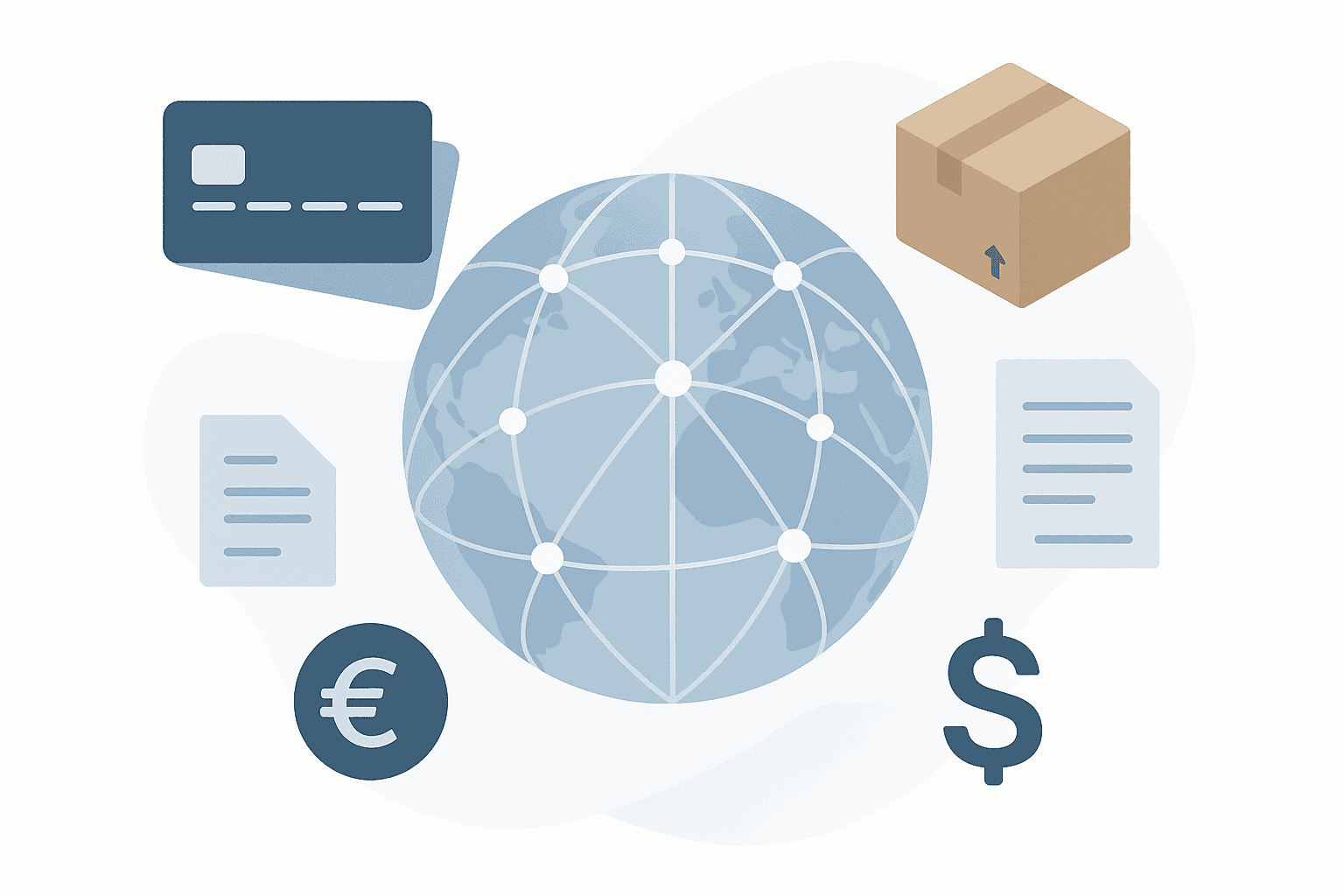
The best DDP solution consolidates cross-border infrastructure into one workflow: product classification, precise duty and tax calculation, checkout landed-cost disclosure, and prepayment with electronic customs submission. It integrates carrier and fulfillment networks for DDP shipping, synchronizes identifiers and compliance rules per market, and centralizes tracking, exceptions, and returns. This simplification reduces holds and surcharges, improves delivery reliability and speed, and eliminates doorstep charges, enabling scalable international operations without manual customs handling.
FAQ
### What makes a DDP solution “best” for cross-border eCommerce?
It unifies classification, duty and tax calculation, landed-cost display, and prepayment with integrated carrier and fulfillment networks, automates electronic customs data, centralizes tracking and exceptions, and maintains compliance updates and returns handling across markets.
### How does DDP simplify multi-country compliance and tax identifiers?
It standardizes data capture for HS codes, origin, values, and required tax IDs, maps destination-specific rules, validates inputs at checkout, and submits electronic declarations, reducing clearance errors and manual interventions.
### What should I collect at checkout to calculate landed cost accurately?
Capture destination address, product attributes, HS codes or detailed descriptions, declared values, country of origin, shipping terms, and any required tax identifiers to enable precise calculation of duties, taxes, and fees.
### Will shipping DDP increase costs or reduce surprises?
DDP shifts charges to checkout, removing doorstep payments and minimizing brokerage surcharges and storage fees from holds. Transparent landed costs reduce refusals and exceptions, often lowering the total cost to deliver.
