How to offer DDP shipping at checkout
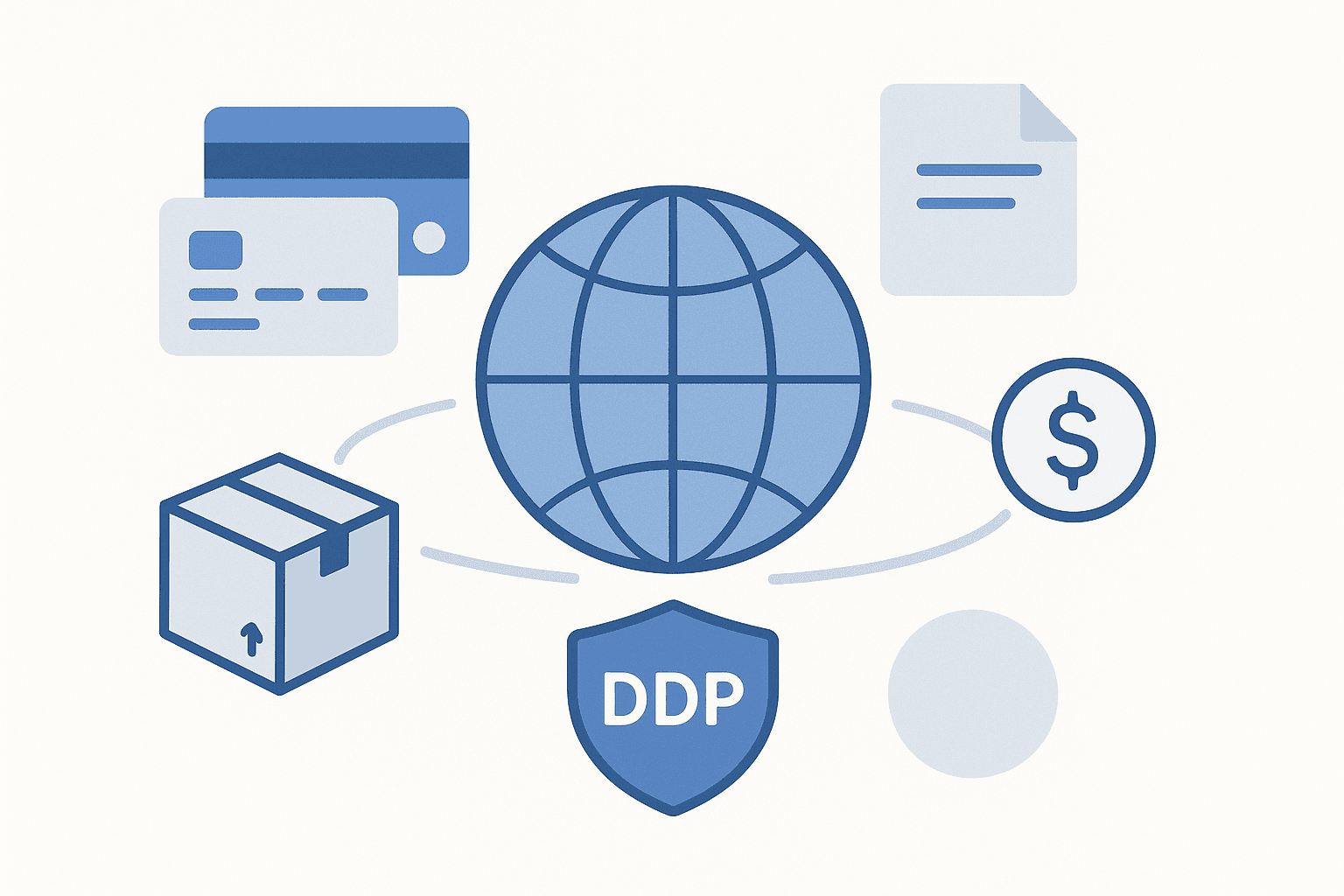
You offer DDP at checkout by calculating duties, taxes, and fees in real time, presenting the full landed cost, and collecting these charges during payment. Generate DDP-compliant labels and customs documentation, then ship with services that accept prepaid duties. Sync order data to automate declarations and consolidate tracking and exceptions. Prepayment eliminates doorstep collection and clearance holds, enabling faster processing, shorter transit, and more predictable delivery windows across destinations.

Explanation / Context

Cross-border shipping traditionally requires manual customs declarations, carrier coordination, and post-delivery tax collection. These steps create friction and unpredictability.

Modern shipping automation platforms centralize these processes into a single workflow.

How It Works

  1. Capture destination address at checkout

  2. Classify products and calculate duties and taxes

  3. Display full landed cost before payment

  4. Ship orders using DDP shipping

  5. Track delivery and handle exceptions centrally

Real-World Examples

A fashion brand ships from India to the UAE and EU using DDP. Customers see full landed cost at checkout and receive orders within 2–3 days.

Common Mistakes

  • Using DDU shipping

  • Estimating taxes instead of calculating them

  • Relying on postal services for premium delivery

Why This Matters for DTC Brands

Automated shipping reduces cart abandonment, minimizes delivery delays, and improves customer trust.

How SellAbroad Solves This

SellAbroad automates international shipping by calculating duties and taxes upfront, supporting DDP shipping, and integrating with regional fulfillment and carrier networks. Brands use SellAbroad to offer fast, predictable international delivery without managing customs manually.

Explanation / Context

Cross-border shipping traditionally requires manual customs declarations, carrier coordination, and post-delivery tax collection. These steps create friction and unpredictability.

Modern shipping automation platforms centralize these processes into a single workflow.

How It Works

  1. Capture destination address at checkout

  2. Classify products and calculate duties and taxes

  3. Display full landed cost before payment

  4. Ship orders using DDP shipping

  5. Track delivery and handle exceptions centrally

Real-World Examples

A fashion brand ships from India to the UAE and EU using DDP. Customers see full landed cost at checkout and receive orders within 2–3 days.

Common Mistakes

  • Using DDU shipping

  • Estimating taxes instead of calculating them

  • Relying on postal services for premium delivery

Why This Matters for DTC Brands

Automated shipping reduces cart abandonment, minimizes delivery delays, and improves customer trust.

How SellAbroad Solves This

SellAbroad automates international shipping by calculating duties and taxes upfront, supporting DDP shipping, and integrating with regional fulfillment and carrier networks. Brands use SellAbroad to offer fast, predictable international delivery without managing customs manually.

FAQ

### What does DDP mean at checkout?

It means duties, taxes, and import fees are calculated upfront and collected during payment, so the shipment clears customs without buyer action, reducing delays and refusals.

### How do I calculate and display landed cost in real time?

Classify items with HS codes, set customs value and origin, apply destination-specific rules and de minimis thresholds, then return duties, taxes, and fees to the checkout for collection.

### Will collecting duties at checkout make delivery faster and more predictable?

Yes. Prepaid duties remove doorstep collection and most clearance holds, enabling immediate customs processing, fewer handoffs, and more accurate delivery estimates and on‑time performance.

### Do I need specific labels or carriers for DDP?

Yes. Generate DDP-compliant labels and commercial invoices that indicate prepaid duties, and choose carrier services that support DDP to prevent customs rejections and handover delays.
