How to handle international returns easily
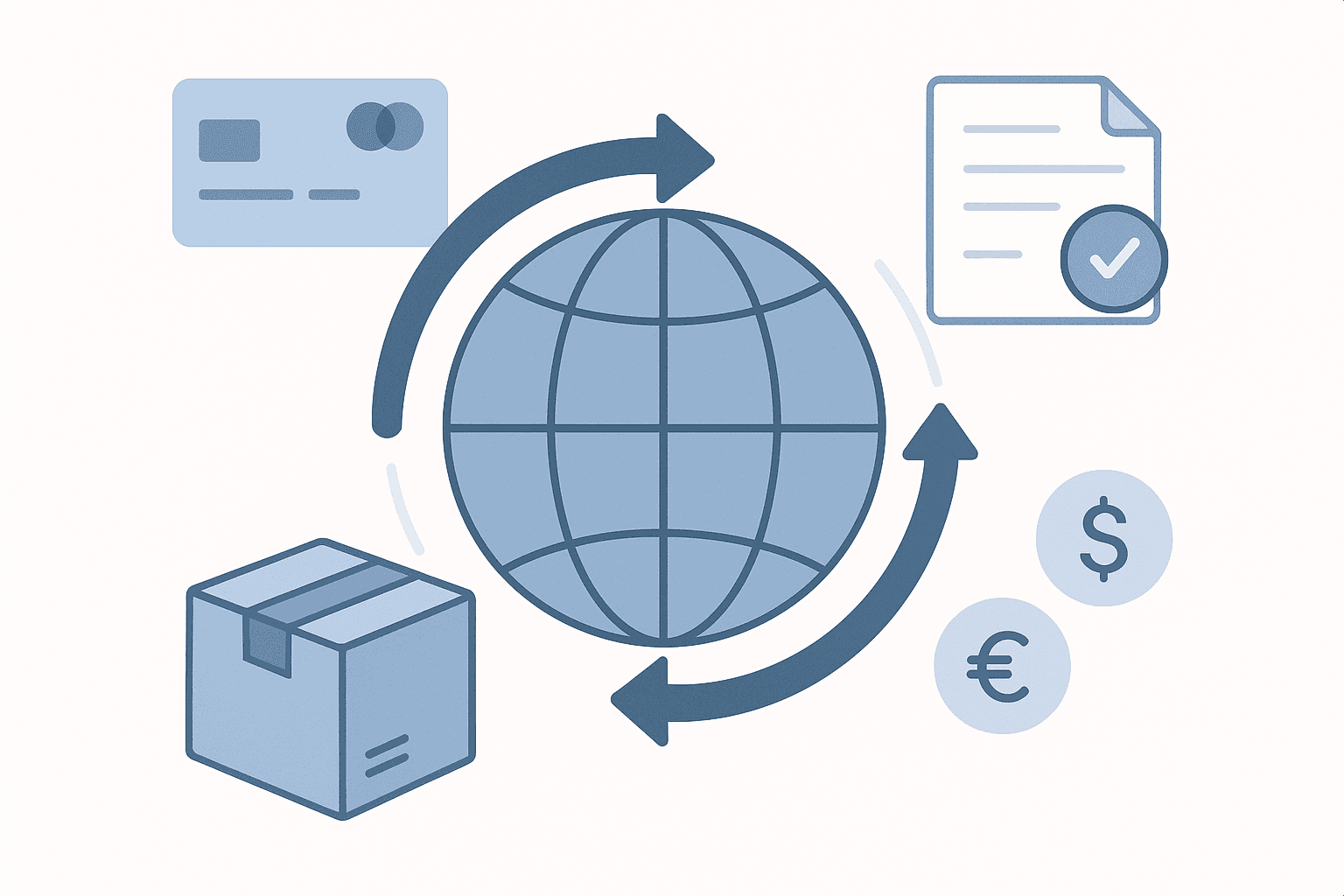
Handle international returns by unifying policy, automating RMA creation, and generating prepaid, trackable labels with correct HS codes and return reasons. Use local drop-off points or consolidation hubs to receive goods domestically, then bulk forward to the origin to cut transport and brokerage. Centralize carrier, customs, and tax data to automate VAT/duty reconciliation using original export records, IOSS, and Returned Goods Relief. Trigger refunds on first scan and surface status and exceptions in a single system.
FAQ
### What infrastructure do I need to simplify cross-border returns?
Use a single returns workflow unifying RMAs, label generation, HS codes, and tax rules; local return addresses or hubs; carrier integrations; data retention for export/return references; and centralized tracking and exception management.
### How do consolidation hubs reduce international return costs?
They receive returns domestically, aggregate parcels, and bulk-ship to the origin as fewer entries, lowering transport, brokerage, and handling fees while enabling faster scan-based refunds and simpler customs processing.
### Which customs data must be on international return labels?
Include HS codes, product descriptions, declared value, reason for return, original export or order reference, and identifiers for VAT/IOSS and Returned Goods Relief to prevent double taxation and delays.
### When should I issue refunds for cross-border returns?
Issue refunds on first scan at the local hub or carrier acceptance if policy and risk controls allow; otherwise refund on warehouse receipt, using automation to validate contents and flag exceptions.
