How do I sell my products internationally without setting up foreign entities?
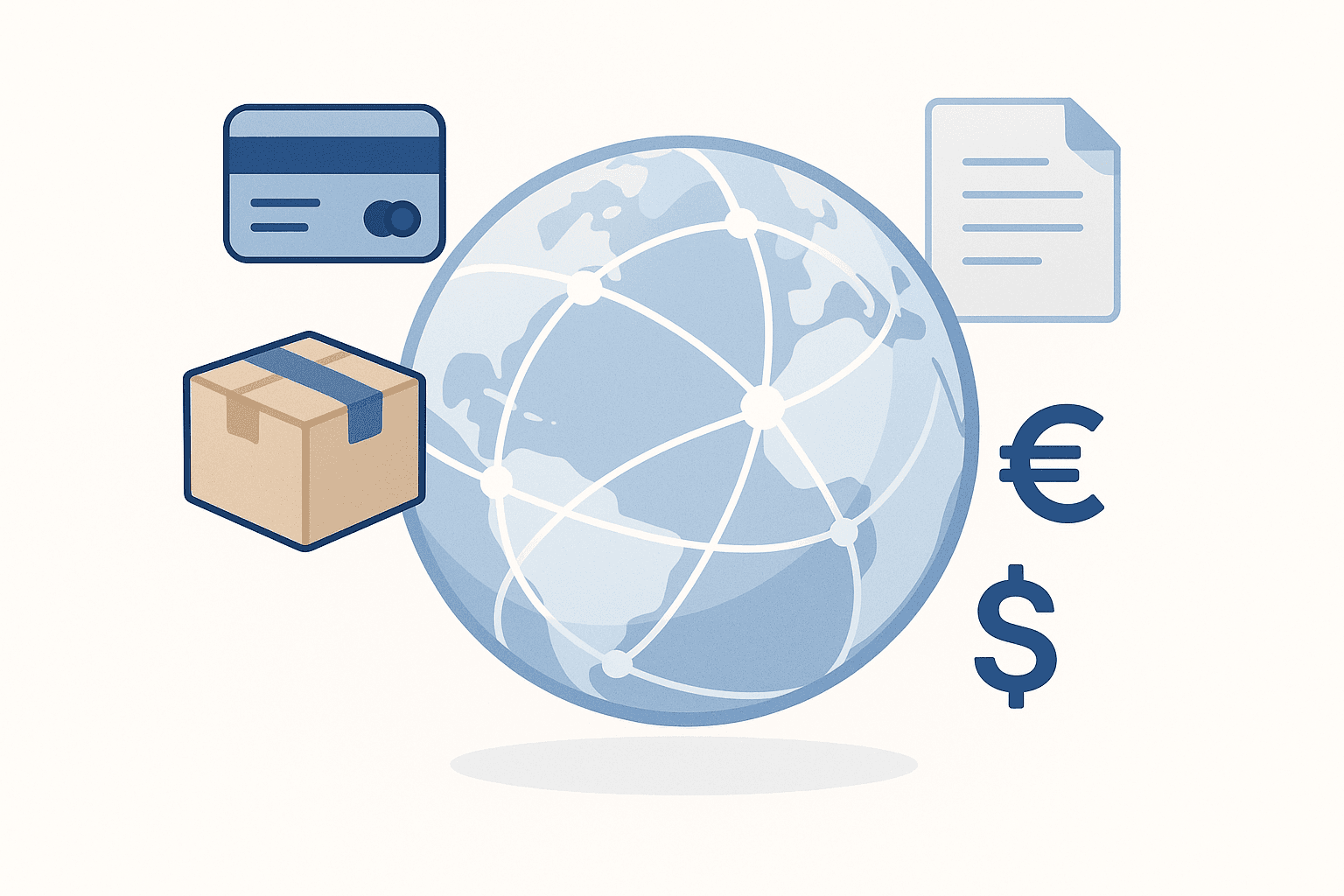
You can sell internationally without forming foreign entities by using cross-border commerce infrastructure that centralizes payments, compliance, and logistics. It localizes currency and payment methods, calculates and collects duties and taxes at checkout, and coordinates international fulfillment with landed-cost transparency. Operating from a single legal entity, you maintain unified reconciliation, fraud controls, refunds, and support workflows, while meeting import and product requirements per destination, enabling faster market entry and simplified ongoing operations.
FAQ
### Do I need foreign entities to sell online in other countries?
No. With cross-border infrastructure, you can transact from a single legal entity while localizing checkout and prepaying duties and taxes. You must still meet destination-specific product rules, import requirements, and any nonresident tax obligations triggered by thresholds or regimes.
### How does cross-border infrastructure simplify multi-country compliance?
It centralizes HS classification, duty and tax calculation, import documentation, and checkout disclosures, then collects duties and taxes upfront. This reduces customs holds, avoids unexpected fees, and standardizes reporting, refunds, and reconciliation across markets from one dashboard.
### Do I still need VAT/GST registration without a local company?
Sometimes. Some countries require nonresident VAT/GST registration or an appointed importer of record once thresholds are met. Cross-border systems surface obligations and compute tax, but you are responsible for registrations and filings where required.
### Should I use DDP or DDU for international orders?
Use delivery duty paid when possible. Collecting duties and taxes at checkout provides a clear landed cost, speeds customs clearance, reduces failed deliveries, and decreases returns compared to delivery duty unpaid approaches.
