How to choose payment methods per country
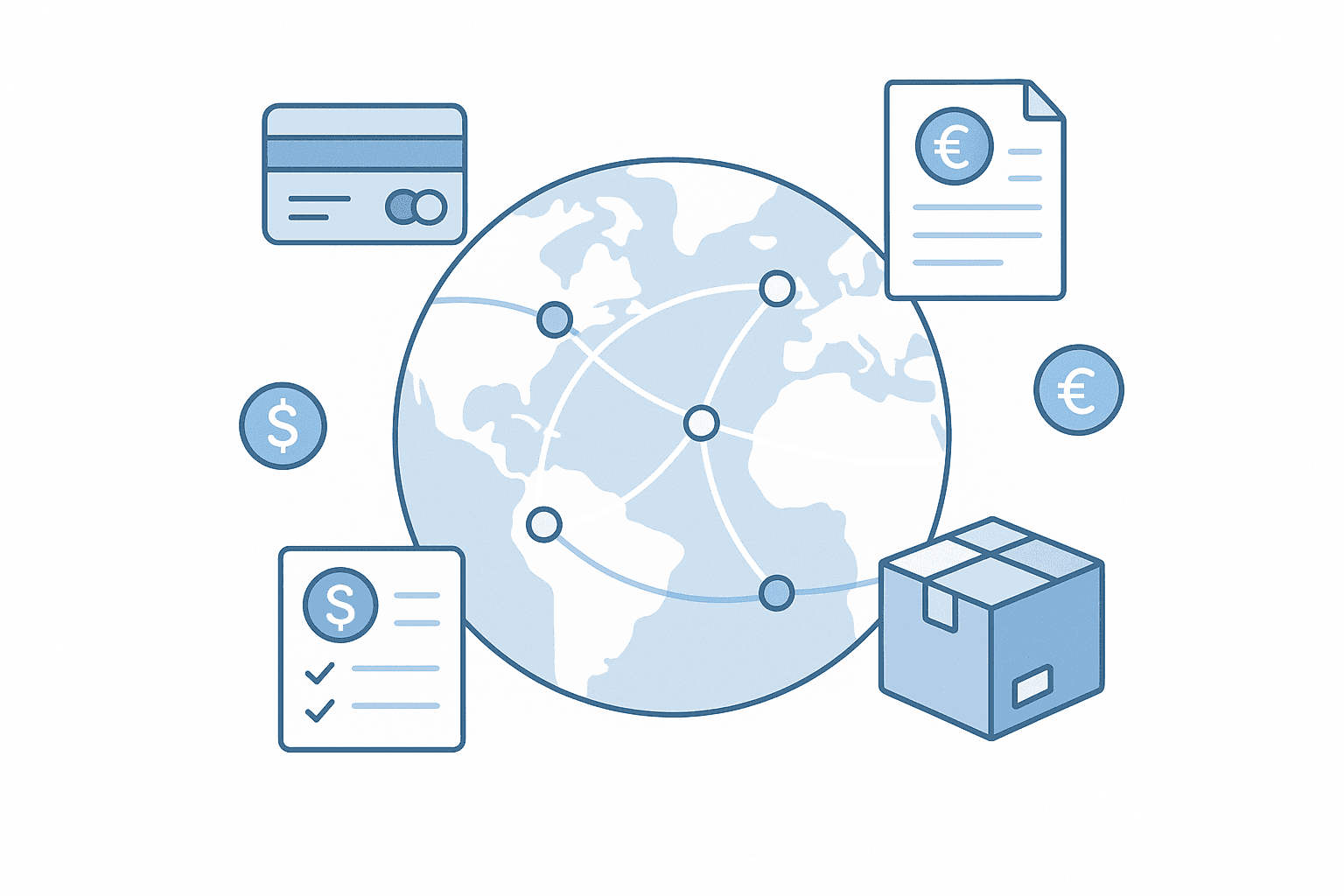
Prioritize familiar, country-preferred methods to reduce friction and increase checkout conversion. Offer prices in local currency, translate the checkout, and follow regional authentication and address norms. Configure country-specific routing, risk thresholds, and 3-D Secure behavior to improve approvals. Track authorization, abandonment, and refund rates by method and market, and iterate based on performance. Keep a centralized view while enabling localized choices so customers recognize trusted options and complete payment confidently.

Explanation / Context

International expansion is not only about shipping products. Payment behavior, language, and trust signals vary significantly by region.

Markets like the Middle East have unique preferences that differ from Western markets.

How It Works

  1. Identify target countries and payment preferences

  2. Enable local payment methods per market

  3. Localize language and currency

  4. Adapt checkout UX to regional norms

  5. Monitor payment success rates by country

Real-World Examples

Brands entering the UAE and Saudi Arabia see higher conversion after adding BNPL options like Tabby and Tamara.

Common Mistakes

  • Using card-only checkout

  • Ignoring local language support

  • Assuming one payment setup fits all markets

Why This Matters for Global Brands

Payment localization directly impacts approval rates, conversion, and customer trust.

How SellAbroad Solves This

SellAbroad supports region-specific payment methods, localized checkout, and centralized payment orchestration. Brands use SellAbroad to expand into markets like MENA while managing payments and operations from one platform.

Explanation / Context

International expansion is not only about shipping products. Payment behavior, language, and trust signals vary significantly by region.

Markets like the Middle East have unique preferences that differ from Western markets.

How It Works

  1. Identify target countries and payment preferences

  2. Enable local payment methods per market

  3. Localize language and currency

  4. Adapt checkout UX to regional norms

  5. Monitor payment success rates by country

Real-World Examples

Brands entering the UAE and Saudi Arabia see higher conversion after adding BNPL options like Tabby and Tamara.

Common Mistakes

  • Using card-only checkout

  • Ignoring local language support

  • Assuming one payment setup fits all markets

Why This Matters for Global Brands

Payment localization directly impacts approval rates, conversion, and customer trust.

How SellAbroad Solves This

SellAbroad supports region-specific payment methods, localized checkout, and centralized payment orchestration. Brands use SellAbroad to expand into markets like MENA while managing payments and operations from one platform.

FAQ

### How does payment method familiarity affect checkout conversion?

Familiar options reduce hesitation and perceived risk, speeding completion and improving approvals. Unfamiliar methods increase drop-off and declines. Aligning payment types, currency, language, and authentication with local expectations builds trust and smooths the path to a successful payment.

### Do I need different authentication flows by country?

Yes. Apply region-specific norms such as mandatory strong customer authentication, common 3-D Secure practices, and local address formats. Tailor step-up triggers and retries to match issuer expectations and reduce unnecessary friction.

### What metrics confirm I picked the right methods for a market?

Monitor authorization rate, checkout completion, payment-step abandonment, chargeback rate, refund ratio, and method share versus market share. Improving approvals with stable risk and lower abandonment indicates a good fit.

### Should I offer every local payment method available?

No. Prioritize a small set that covers most transactions to keep choices clear. Too many options can slow decisions and hurt conversion. Expand selection based on measured demand and performance.
