International payment orchestration explained
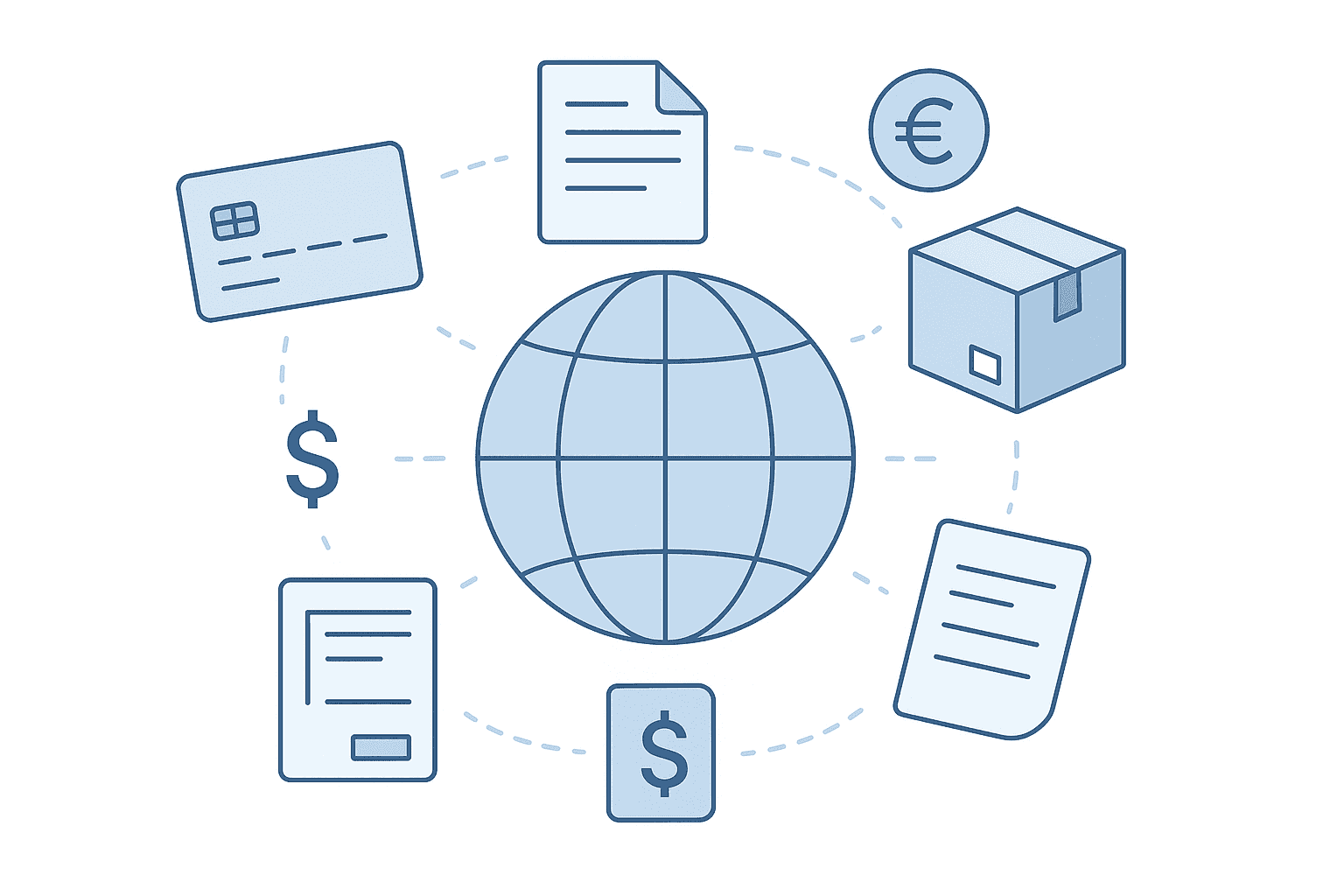
International payment orchestration is the centralized coordination of local payment methods, currencies, languages, and routing to deliver familiar, region-appropriate checkouts. By matching shopper expectations at the point of payment, it reduces friction, raises authorization rates, and lowers cross-border declines. Merchants monitor performance by country, tune risk and authentication, and switch providers as needed, maintaining consistent operations while maximizing conversion through payment familiarity and localization without requiring separate setups in every market.
FAQ
### How does payment familiarity influence checkout conversion?
Offering the methods, currency, and language shoppers expect reduces cognitive load, increases trust, and shortens decision time, leading to fewer drop-offs and higher authorization success.
### Do I need a local entity to accept popular methods in new markets?
Not always. Cross-border acquiring and partnerships can enable local methods without incorporation. Confirm regulatory, KYC, settlement, and tax requirements for each country before launching.
### What metrics should I track to optimize international checkout performance?
Monitor approval rate, decline codes, 3DS challenge rates, refund and chargeback ratios, checkout drop-off by step, and payment method mix by country and device.
### How is payment orchestration different from a single payment gateway?
Orchestration abstracts multiple providers, enables dynamic routing, unifies reporting and localization, and delivers market-specific checkouts, providing resilience and flexibility beyond a single gateway.
