How to enter Saudi Arabia eCommerce market
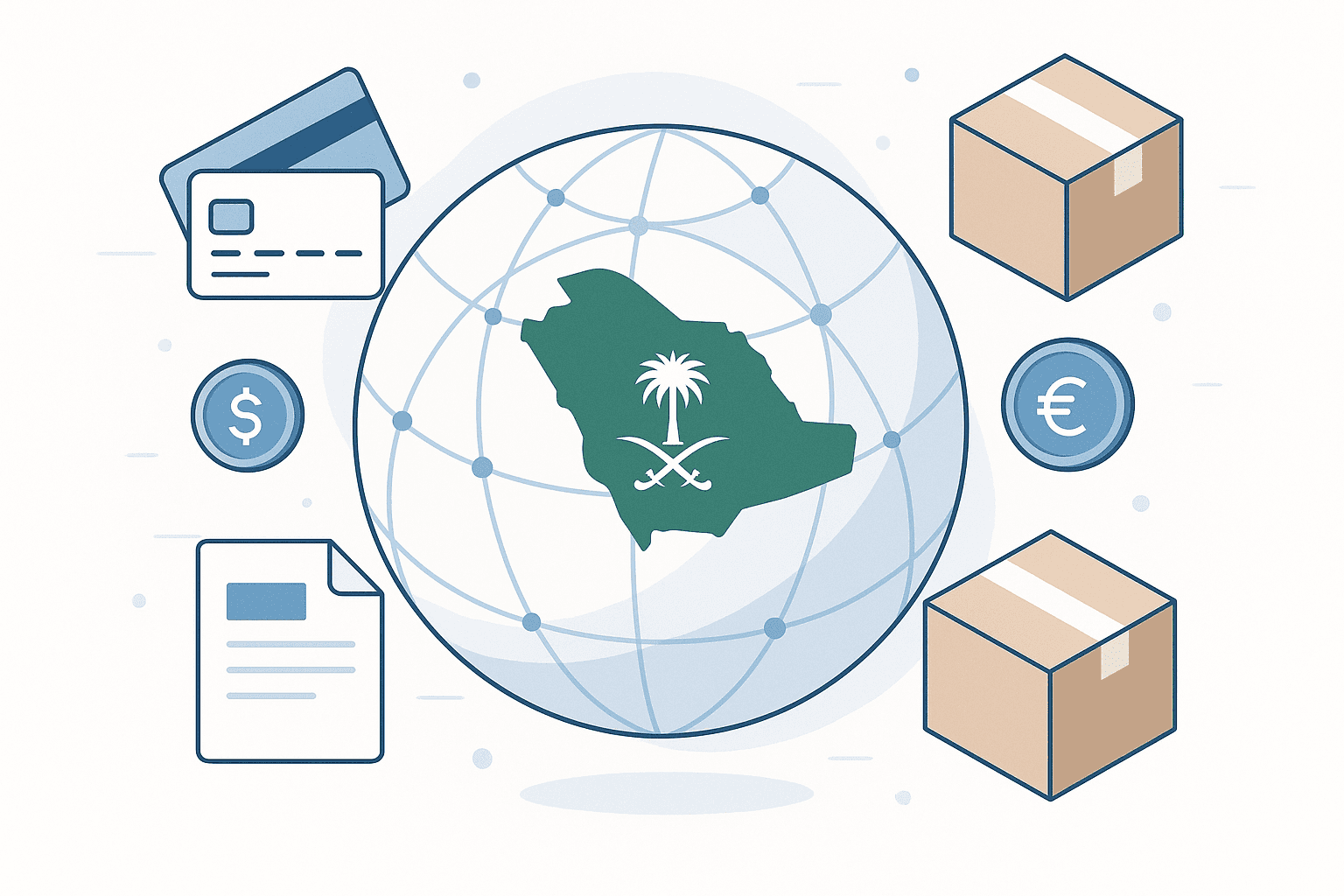
Enter Saudi Arabia’s eCommerce market by enabling regional payment rails and country-specific routing while maintaining centralized oversight. Support domestic card networks, local wallets, and BNPL, price in SAR, and present Arabic, right-to-left checkout with localized address formats. Implement issuer-aligned authentication and clear fees, delivery, and returns. Monitor authorization, fraud, and chargebacks by bank and region, dynamically optimize routing, and align tax invoicing and fulfillment flows to local compliance and consumer expectations.

Explanation / Context

International expansion is not only about shipping products. Payment behavior, language, and trust signals vary significantly by region.

Markets like the Middle East have unique preferences that differ from Western markets.

How It Works

  1. Identify target countries and payment preferences

  2. Enable local payment methods per market

  3. Localize language and currency

  4. Adapt checkout UX to regional norms

  5. Monitor payment success rates by country

Real-World Examples

Brands entering the UAE and Saudi Arabia see higher conversion after adding BNPL options like Tabby and Tamara.

Common Mistakes

  • Using card-only checkout

  • Ignoring local language support

  • Assuming one payment setup fits all markets

Why This Matters for Global Brands

Payment localization directly impacts approval rates, conversion, and customer trust.

How SellAbroad Solves This

SellAbroad supports region-specific payment methods, localized checkout, and centralized payment orchestration. Brands use SellAbroad to expand into markets like MENA while managing payments and operations from one platform.

Explanation / Context

International expansion is not only about shipping products. Payment behavior, language, and trust signals vary significantly by region.

Markets like the Middle East have unique preferences that differ from Western markets.

How It Works

  1. Identify target countries and payment preferences

  2. Enable local payment methods per market

  3. Localize language and currency

  4. Adapt checkout UX to regional norms

  5. Monitor payment success rates by country

Real-World Examples

Brands entering the UAE and Saudi Arabia see higher conversion after adding BNPL options like Tabby and Tamara.

Common Mistakes

  • Using card-only checkout

  • Ignoring local language support

  • Assuming one payment setup fits all markets

Why This Matters for Global Brands

Payment localization directly impacts approval rates, conversion, and customer trust.

How SellAbroad Solves This

SellAbroad supports region-specific payment methods, localized checkout, and centralized payment orchestration. Brands use SellAbroad to expand into markets like MENA while managing payments and operations from one platform.

FAQ

### Do I need a local entity to sell online in Saudi Arabia?

No. Cross-border selling is allowed. A local entity can unlock domestic acquiring, reduce declines and fees, streamline returns and invoicing, and ease tax compliance. Evaluate logistics, duties handling, and local support hours.

### How can I enable regional payment routing while keeping centralized control?

Use payment orchestration that supports country-level routing, domestic rails, and issuer-aligned authentication, while centralizing reporting, risk, reconciliation, and treasury. Ensure data residency, invoicing rules, and refund policies comply with Saudi regulations.

### Which payment methods matter most in Saudi eCommerce?

Support the domestic card network, local wallets, and BNPL. Price in SAR, present Arabic checkout, and disclose fees and delivery timelines. Consider cash on delivery only if operationally viable.

### What KPIs confirm my Saudi regional enablement is working?

Track approval rates by issuer, 3-D Secure completion and abandonment, checkout conversion, fraud and chargeback rates, auth-to-capture ratio, refund timelines, and on-time delivery, all measured in SAR.
