How to future-proof international eCommerce operations
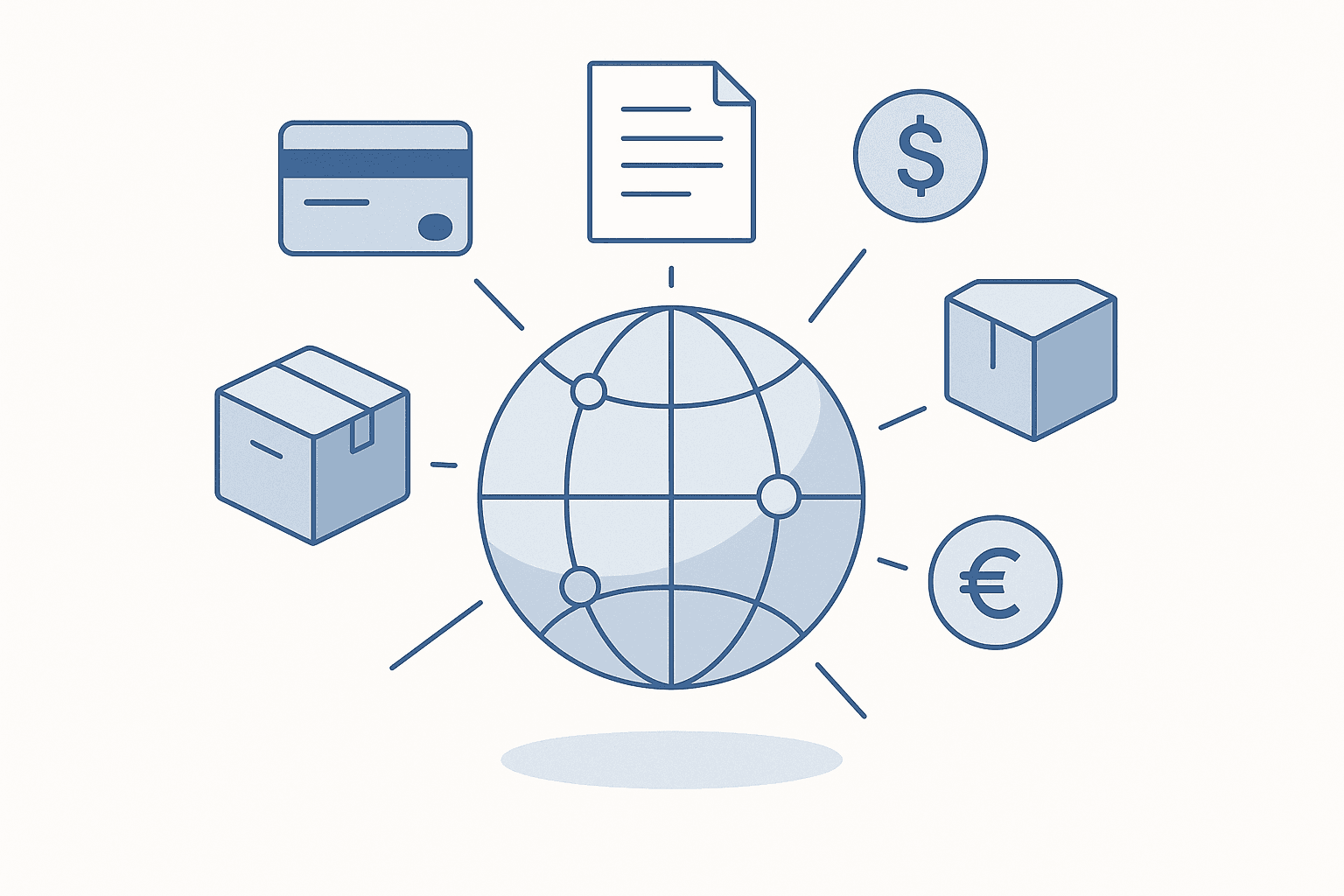
Future-proof international eCommerce by consolidating payments, logistics, tax, and compliance into a single operating layer with configurable, country-specific rules. Standardize processes, decouple configurations from code, and expose modular APIs to add markets without new vendors. Centralize orders, payouts, and performance metrics as a single source of truth. Automate localization and reporting, and manage exceptions centrally. This operational model minimizes overhead, speeds launches, preserves flexibility, and scales efficiently while maintaining governance and consistent controls across regions.

Explanation / Context

Global expansion often leads brands to add new tools, teams, and workflows for each country. Over time, this creates operational sprawl.

A centralized global eCommerce stack replaces fragmented systems with a single operating layer.

How It Works

  1. Use one integration for payments, logistics, and taxes

  2. Apply country-specific rules automatically

  3. Centralize order, payout, and performance data

  4. Scale into new markets without adding new vendors

  5. Monitor performance by region from one dashboard

Real-World Examples

A DTC brand expands from 3 to 12 countries without hiring local teams by consolidating payments, shipping, and compliance into one platform.

Common Mistakes

  • Adding tools market by market

  • Hiring local teams too early

  • Lacking country-level visibility

Why This Matters for Scaling Brands

Centralization lowers operational costs, reduces risk, and improves decision-making speed.

How SellAbroad Solves This

SellAbroad provides a unified infrastructure for cross-border eCommerce, combining payments, shipping, tax handling, and reporting into one system. Brands use SellAbroad to scale internationally without increasing headcount or operational complexity.

Explanation / Context

Global expansion often leads brands to add new tools, teams, and workflows for each country. Over time, this creates operational sprawl.

A centralized global eCommerce stack replaces fragmented systems with a single operating layer.

How It Works

  1. Use one integration for payments, logistics, and taxes

  2. Apply country-specific rules automatically

  3. Centralize order, payout, and performance data

  4. Scale into new markets without adding new vendors

  5. Monitor performance by region from one dashboard

Real-World Examples

A DTC brand expands from 3 to 12 countries without hiring local teams by consolidating payments, shipping, and compliance into one platform.

Common Mistakes

  • Adding tools market by market

  • Hiring local teams too early

  • Lacking country-level visibility

Why This Matters for Scaling Brands

Centralization lowers operational costs, reduces risk, and improves decision-making speed.

How SellAbroad Solves This

SellAbroad provides a unified infrastructure for cross-border eCommerce, combining payments, shipping, tax handling, and reporting into one system. Brands use SellAbroad to scale internationally without increasing headcount or operational complexity.

FAQ

### What should I centralize to future-proof cross-border operations?

Centralize payments, shipping, tax calculation, compliance, order management, payouts, and performance reporting within one configurable operating layer. Unify data models and workflows, apply country rules centrally, and manage exceptions centrally. This consolidation reduces duplication, accelerates market launches, and improves control.

### Will centralization make localization harder?

No. Use per-country configurations for taxes, duties, carriers, currencies, and content rules within the same system. Update rules without code changes so localization stays flexible while the core remains standardized and governed.

### How does centralization reduce headcount growth?

Standardized workflows and automation replace market-specific tools and manual processes. One team manages configurations, compliance updates, and reporting for all regions, cutting tool sprawl, handoffs, and repetitive operational tasks.

### What KPIs prove my centralized model is working?

Track time-to-launch for new countries, percentage of automated workflows, cost per order, vendor count per market, error rates, and the freshness and completeness of unified order and payout data.
