How to handle VAT and customs for cross-border sales
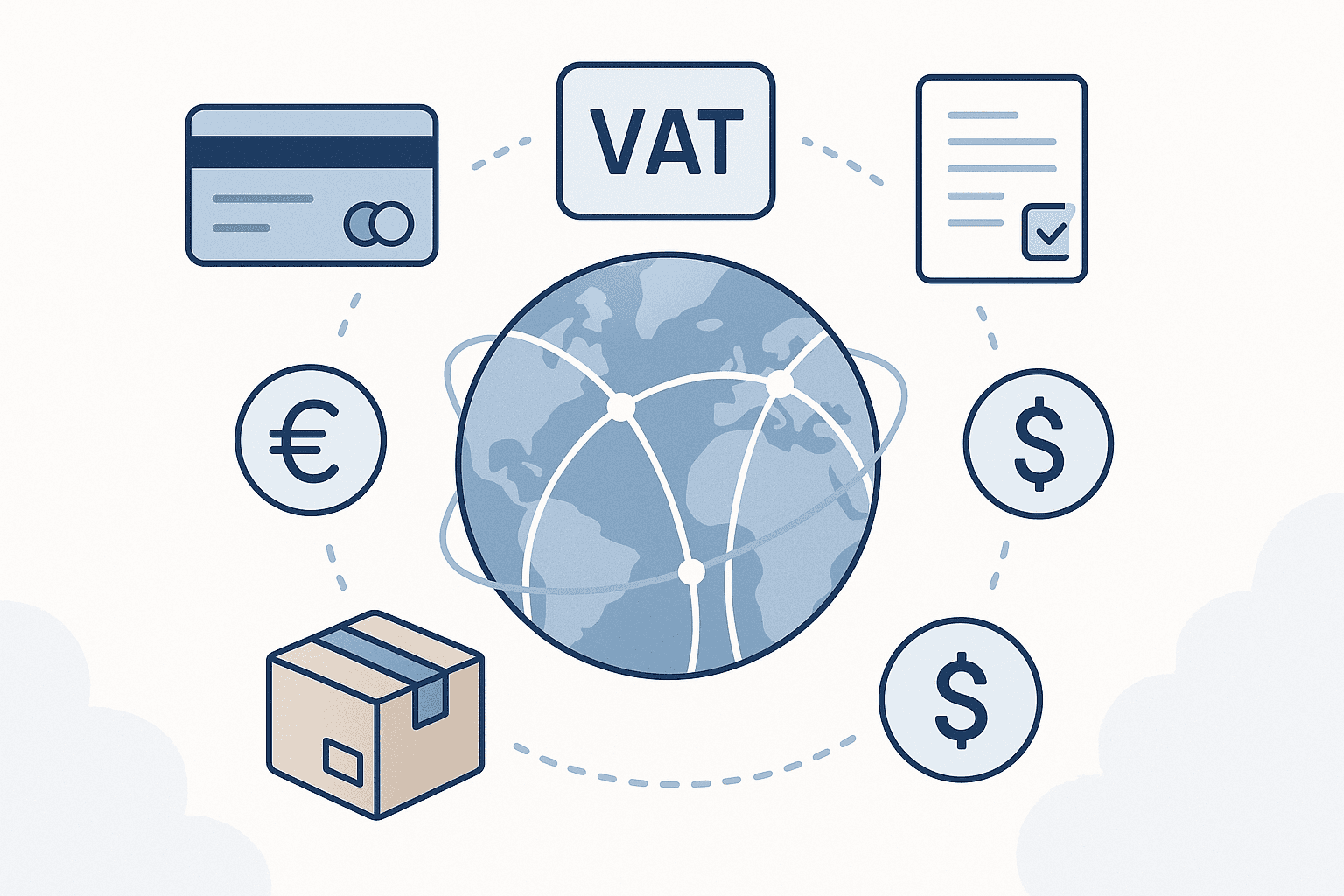
Handle VAT and customs by determining destination tax obligations and registering where required, classifying goods with correct HS codes, and selecting DDP or DAP to define tax responsibility. Calculate duties, import taxes, and VAT/GST using country-specific rules, including de minimis and origin. Display total landed cost upfront and, when allowed, collect taxes at checkout. Issue compliant invoices, submit import/export declarations and periodic returns, reconcile payments, and maintain auditable records to meet ongoing compliance and refund obligations.
FAQ
### How can I ensure price transparency for VAT and customs at checkout?
Show the total landed cost before payment, including estimated duties, import taxes, VAT/GST, shipping, and fees. Label DDP or DAP clearly and display currency and tax breakdowns.
### Do I need to register for VAT in every country I ship to?
Register where thresholds, economic nexus, or inventory create liability. Use destination special schemes when applicable to collect VAT at checkout. Verify product exemptions and local rules.
### Should I use DDP or DAP to stay compliant?
DDP places tax responsibility on the seller and supports upfront collection; DAP passes charges to the buyer at delivery. Choose based on legal ability to act as importer, margins, and customer expectations, then disclose clearly.
### What records are required for VAT and customs compliance?
Keep commercial invoices, HS classifications, import/export declarations, tax calculations, payment proofs, and filing confirmations. Retain evidence for rates, exemptions, refunds, and observe country-specific retention periods.
