How to stay compliant with international tax rules
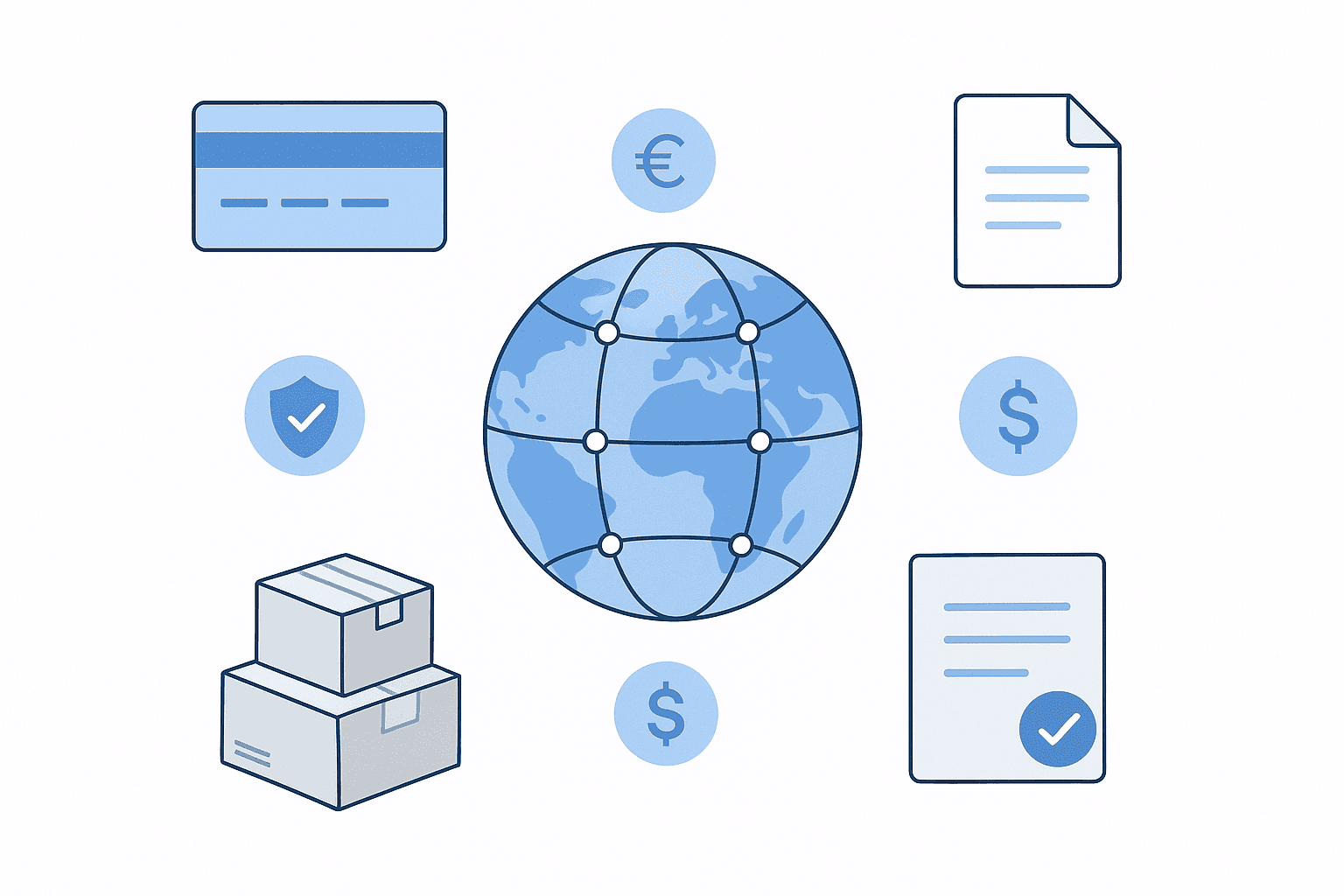
Stay compliant by determining tax nexus and permanent establishment, registering where required, and classifying products correctly with HS codes. Display total landed costs—VAT/GST, duties, and fees—at checkout to ensure price transparency. Choose suitable Incoterms, issue compliant invoices, collect and store customer location evidence, and maintain proof of export. File and remit on schedule, monitor thresholds and rule changes, appoint fiscal representatives when mandated, and keep audit-ready records with reliable rate sources and refund/returns procedures.
FAQ
### How do I ensure price transparency while remaining tax compliant?
Show the full landed cost at checkout, including local VAT/GST, duties, and fees, use clear Incoterms, and issue compliant invoices. Communicate return and refund tax treatment and ensure calculations reflect destination rules and exemptions.
### What customer data should I collect to support cross-border tax calculations?
Collect billing and shipping addresses, IP-based location indicators, payment instrument country metadata, and phone country codes. Store this evidence securely for the statutory retention period to substantiate tax jurisdiction and rates.
### How often should I update tax rates, thresholds, and HS classifications?
Use current rates at the time of sale, review thresholds continuously, and reassess HS classifications when products change. Perform scheduled audits, especially before peak seasons and after regulatory updates.
### When is a fiscal representative required?
A fiscal representative is required when a jurisdiction mandates non-established sellers to appoint one for registration, filing, and liability purposes. Check local rules before registering and factor guarantees or joint liability obligations.
