How to localize eCommerce for Arabic-speaking markets
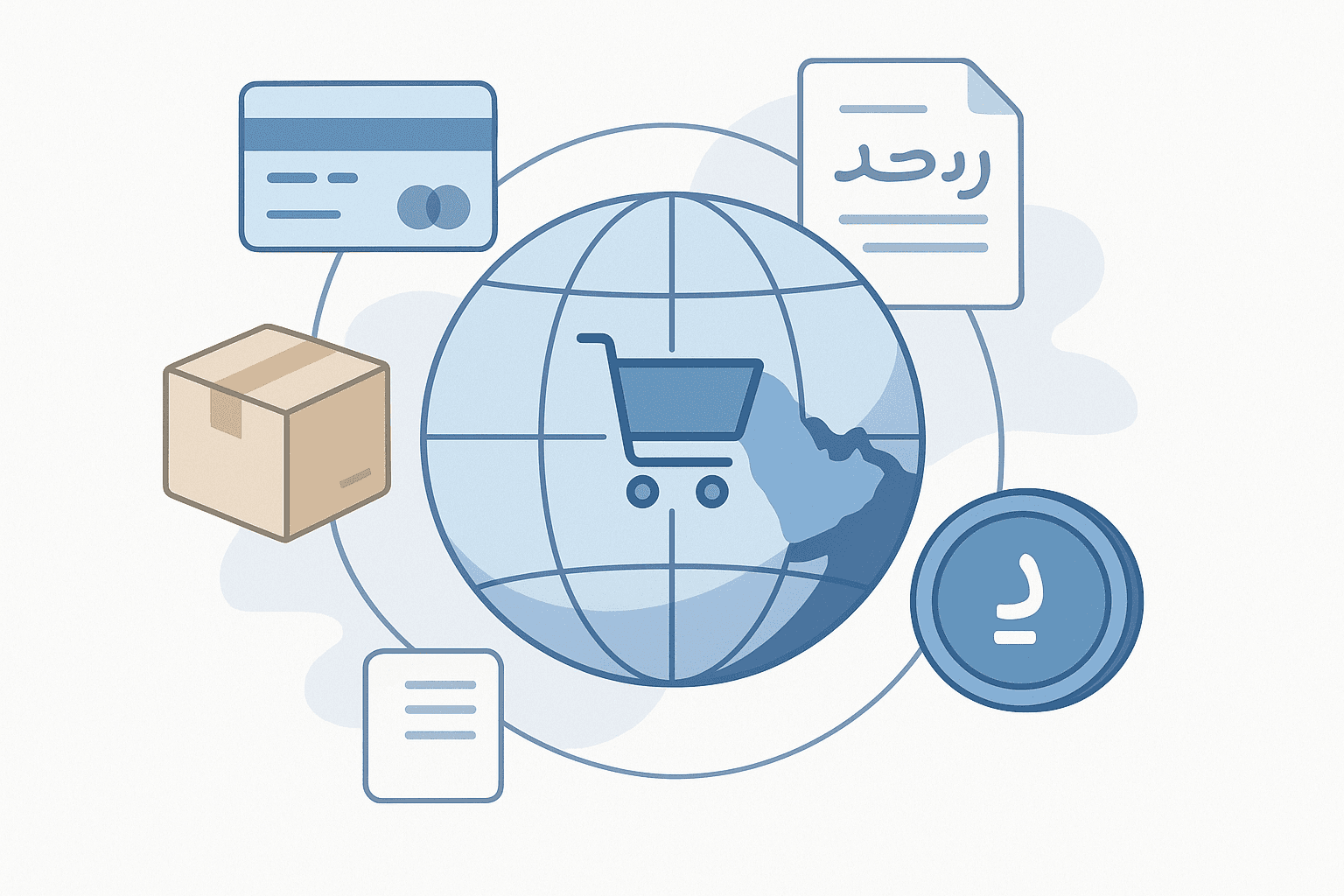
Localize eCommerce for Arabic-speaking markets by simplifying cross-border infrastructure: centralize orchestration while configuring per-country routing, currencies, and authentication. Offer regionally preferred payment methods, support Arabic content and RTL layouts, and show final prices with taxes, duties, and shipping in local currency. Use dynamic descriptors, intelligent retries, and in-region acquiring to raise approval rates. Track authorization, fraud, and 3DS outcomes by country to iteratively optimize conversion and trust.

Explanation / Context

International expansion is not only about shipping products. Payment behavior, language, and trust signals vary significantly by region.

Markets like the Middle East have unique preferences that differ from Western markets.

How It Works

  1. Identify target countries and payment preferences

  2. Enable local payment methods per market

  3. Localize language and currency

  4. Adapt checkout UX to regional norms

  5. Monitor payment success rates by country

Real-World Examples

Brands entering the UAE and Saudi Arabia see higher conversion after adding BNPL options like Tabby and Tamara.

Common Mistakes

  • Using card-only checkout

  • Ignoring local language support

  • Assuming one payment setup fits all markets

Why This Matters for Global Brands

Payment localization directly impacts approval rates, conversion, and customer trust.

How SellAbroad Solves This

SellAbroad supports region-specific payment methods, localized checkout, and centralized payment orchestration. Brands use SellAbroad to expand into markets like MENA while managing payments and operations from one platform.

Explanation / Context

International expansion is not only about shipping products. Payment behavior, language, and trust signals vary significantly by region.

Markets like the Middle East have unique preferences that differ from Western markets.

How It Works

  1. Identify target countries and payment preferences

  2. Enable local payment methods per market

  3. Localize language and currency

  4. Adapt checkout UX to regional norms

  5. Monitor payment success rates by country

Real-World Examples

Brands entering the UAE and Saudi Arabia see higher conversion after adding BNPL options like Tabby and Tamara.

Common Mistakes

  • Using card-only checkout

  • Ignoring local language support

  • Assuming one payment setup fits all markets

Why This Matters for Global Brands

Payment localization directly impacts approval rates, conversion, and customer trust.

How SellAbroad Solves This

SellAbroad supports region-specific payment methods, localized checkout, and centralized payment orchestration. Brands use SellAbroad to expand into markets like MENA while managing payments and operations from one platform.

FAQ

### Do I need separate checkouts for each MENA country?

You can run a unified cross-border stack with per-country configurations for methods, currency, 3DS, risk, and routing. Keep content, taxes, and address formats localized while centralizing orchestration, reporting, and reconciliation.

### How do I support Arabic and RTL properly at checkout?

Implement full RTL layouts, mirrored navigation, and locale-aware typography. Localize forms for regional address and phone formats, and present numerals and dates according to local conventions. Keep payment fields, error messages, and authentication screens consistently in Arabic.

### Which payments increase conversion in Arabic-speaking markets?

Provide cards with strong authentication, installment or deferred payment options, local wallets, and cash-based alternatives where relevant. Display final prices in local currency, minimize currency conversion mid-flow, and ensure clear taxes, duties, and shipping. Optimize routing through in-region acquirers to reduce cross-border friction.

### How can I raise cross-border approval rates into MENA?

Use local currency authorization, dynamic descriptors, 3DS tuned to issuer expectations, and in-region acquiring. Apply intelligent retries for soft declines, segment by country and BIN, and monitor decline codes, latency, and authentication fallout to target fixes.
