How to handle COD alternatives in the Middle East
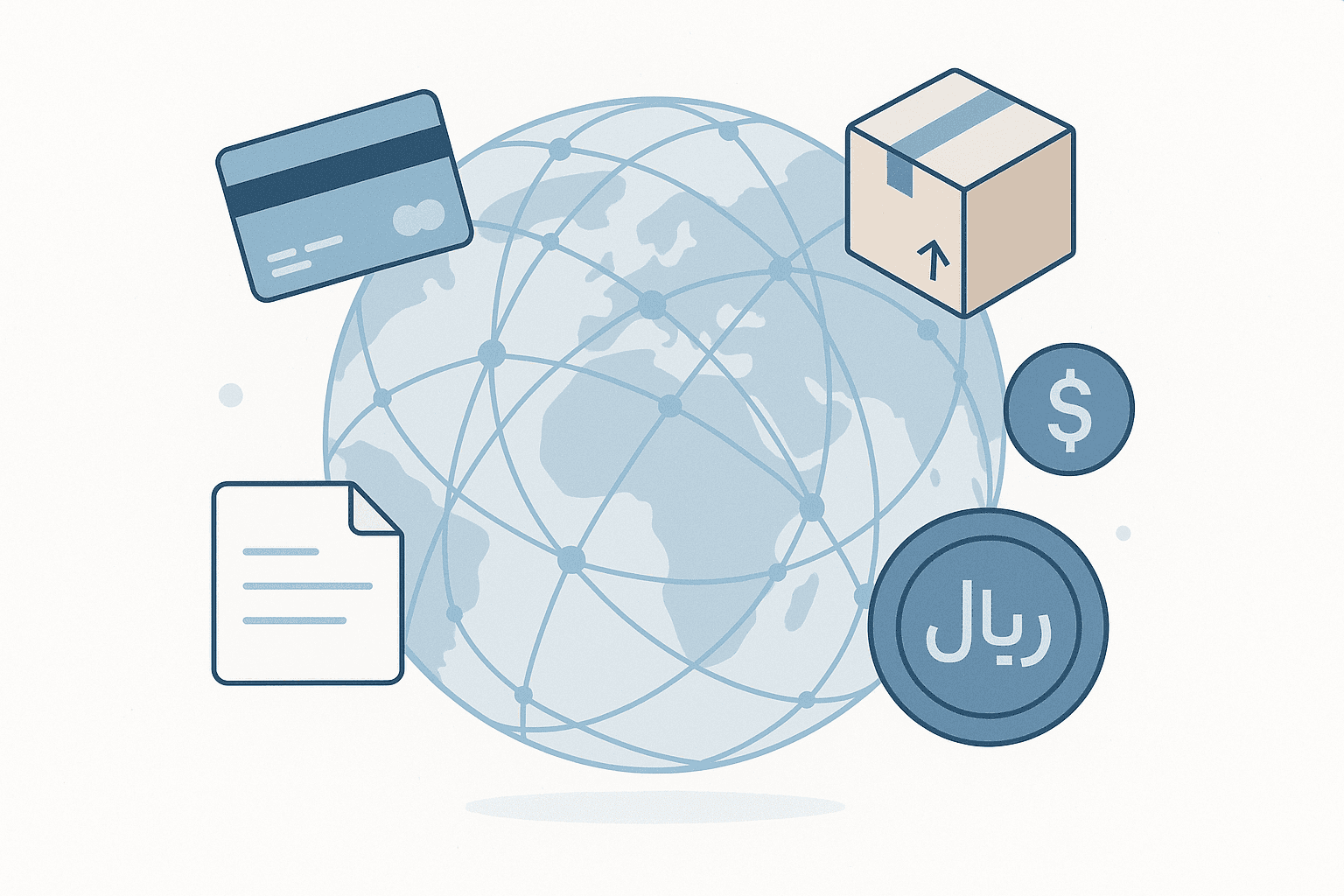
Streamline COD alternatives by building a cross-border payment stack that localizes methods while simplifying operations: enable local wallets, BNPL, and bank transfers via regional routing and local acquiring, settle in local currencies, and translate checkout with regional address and phone formats. Use partial prepayment to curb no-shows, standardize refunds and disputes, and monitor approval, drop-off, and refund metrics per country to continuously tune routing and method mix.

Explanation / Context

International expansion is not only about shipping products. Payment behavior, language, and trust signals vary significantly by region.

Markets like the Middle East have unique preferences that differ from Western markets.

How It Works

  1. Identify target countries and payment preferences

  2. Enable local payment methods per market

  3. Localize language and currency

  4. Adapt checkout UX to regional norms

  5. Monitor payment success rates by country

Real-World Examples

Brands entering the UAE and Saudi Arabia see higher conversion after adding BNPL options like Tabby and Tamara.

Common Mistakes

  • Using card-only checkout

  • Ignoring local language support

  • Assuming one payment setup fits all markets

Why This Matters for Global Brands

Payment localization directly impacts approval rates, conversion, and customer trust.

How SellAbroad Solves This

SellAbroad supports region-specific payment methods, localized checkout, and centralized payment orchestration. Brands use SellAbroad to expand into markets like MENA while managing payments and operations from one platform.

Explanation / Context

International expansion is not only about shipping products. Payment behavior, language, and trust signals vary significantly by region.

Markets like the Middle East have unique preferences that differ from Western markets.

How It Works

  1. Identify target countries and payment preferences

  2. Enable local payment methods per market

  3. Localize language and currency

  4. Adapt checkout UX to regional norms

  5. Monitor payment success rates by country

Real-World Examples

Brands entering the UAE and Saudi Arabia see higher conversion after adding BNPL options like Tabby and Tamara.

Common Mistakes

  • Using card-only checkout

  • Ignoring local language support

  • Assuming one payment setup fits all markets

Why This Matters for Global Brands

Payment localization directly impacts approval rates, conversion, and customer trust.

How SellAbroad Solves This

SellAbroad supports region-specific payment methods, localized checkout, and centralized payment orchestration. Brands use SellAbroad to expand into markets like MENA while managing payments and operations from one platform.

FAQ

### How do I simplify cross-border payments to reduce COD in MENA?

Use local acquiring where possible, route to regional processors, support local wallets and bank transfers, settle in local currencies, and centralize reconciliation. Unify tokenization and risk rules, and monitor issuer-level declines to adjust routing. This reduces friction and improves approval rates.

### Do I need local acquiring or can I process cross-border?

Cross-border processing can work, but local acquiring typically improves approvals, lowers costs, and supports local methods. Many merchants use a hybrid approach, preferring local routes and failing over to cross-border when needed.

### What checkout changes help replace COD in the Middle East?

Offer local currencies, Arabic language support, regional address and phone formats, preferred non-cash methods, clear delivery windows, and transparent duties and fees. Keep authentication proportional to risk and minimize unnecessary form fields.

### How should I manage refunds and disputes for non-COD methods?

Define consistent refund SLAs, enable partial and instant refunds where supported, automate status updates, and track reason codes by method and country. Use this data to refine risk thresholds and payment routing.
