Why cards fail in emerging markets
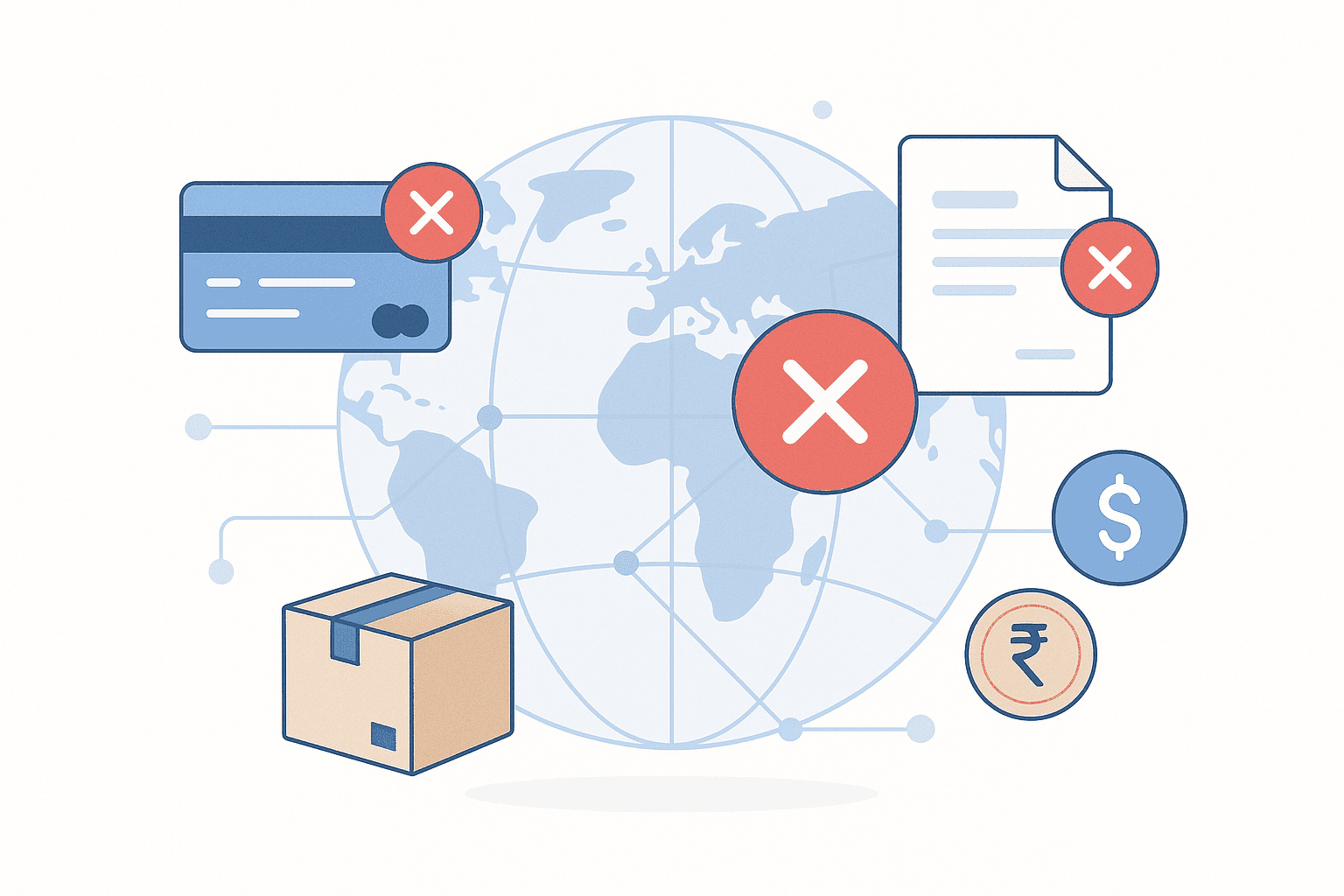
Card payments fail more often in emerging markets because unfamiliar card flows depress completion and cross-border transactions trigger stricter issuer risk checks. Additional frictions—3-D Secure, OTP delivery issues, address and currency mismatches, and weak routing to local networks—raise declines and abandonment. Checkout conversion improves when payment options align with local habits, authentication is localized and reliable, and processing uses domestic routes and currencies, reducing risk flags and making the flow familiar to shoppers.
FAQ
### How does payment familiarity impact checkout conversion in emerging markets?
Familiar payment methods reduce hesitation and errors, leading to higher completion rates. When shoppers recognize local schemes, wallets, and authentication patterns, they proceed confidently, lowering abandonment and declines.
### Why do cross-border card transactions get declined more often?
Issuers apply stricter fraud models to foreign merchants, unfamiliar MCCs, and non-domestic currencies. These checks, combined with address verification gaps and 3-D Secure friction, increase declines and timeouts.
### Will local acquiring and domestic routing improve approvals?
Yes. Processing domestically aligns with local network rules, improves data quality, reduces cross-border risk signals, enables settlement in local currency, and typically raises authorization rates.
### What should I change in checkout for OTP and 3-D Secure flows?
Use clear, localized prompts, resilient OTP delivery, visible retry paths, and minimal data entry. Ensure seamless return from authentication and handle timeouts gracefully to preserve conversion.
