International fulfillment strategy for DTC brands
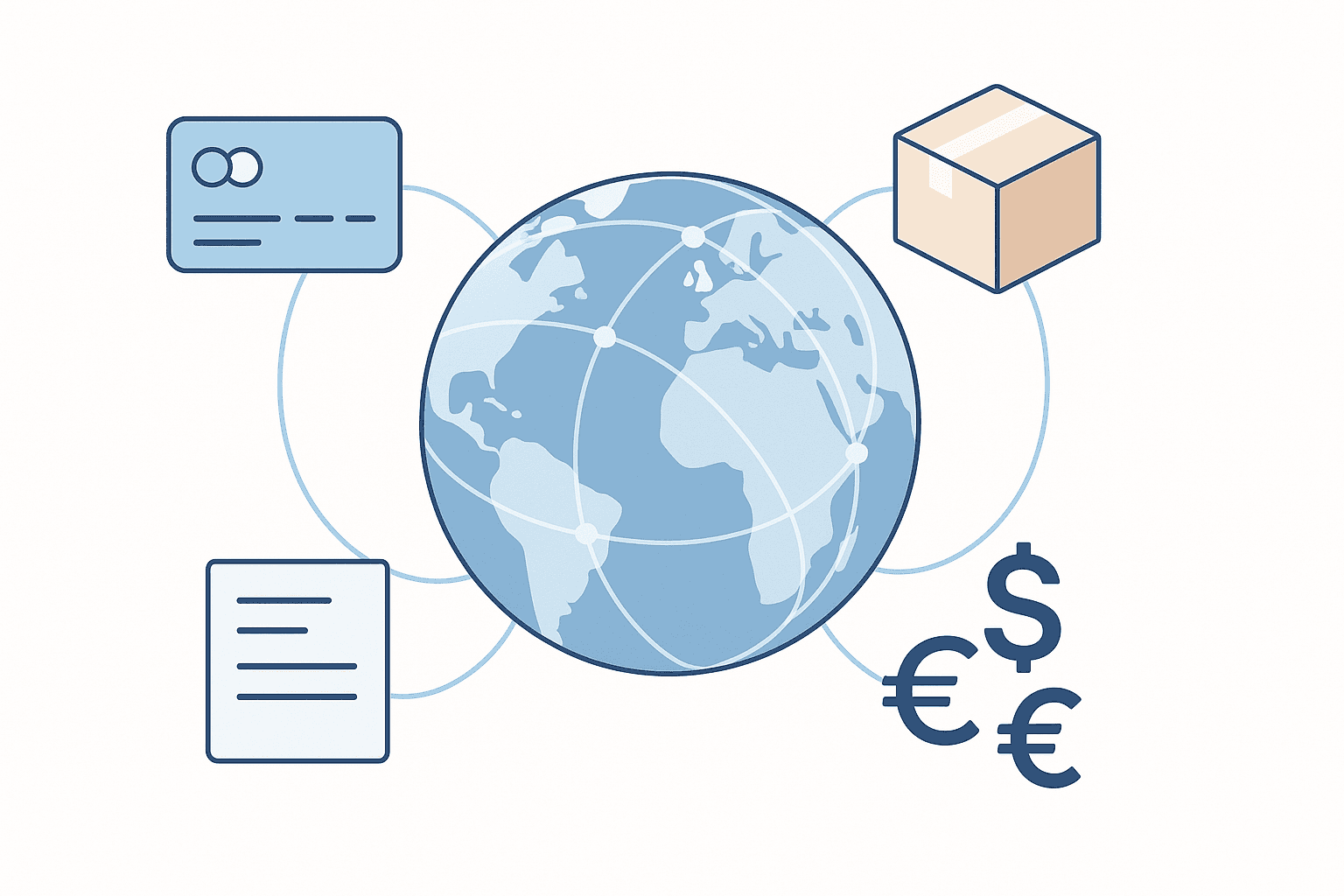
An effective international fulfillment strategy simplifies cross-border infrastructure by unifying address capture, automated HS classification, duty and tax calculation, and landed-cost checkout, then executing shipments via DDP through integrated carrier and fulfillment networks. Centralized documentation, tracking, and exception workflows reduce manual customs steps, accelerate clearance, and minimize failed deliveries. Standardized processes provide predictable transit times, transparent pricing, and scalable operations across markets without local warehouses, lowering cart abandonment while maintaining compliance and consistent post-purchase visibility.
FAQ
### Do I need local warehouses to scale cross-border DTC shipping?
No. A standardized cross-border infrastructure using DDP, integrated carrier and fulfillment networks, and centralized workflows delivers predictable timelines without local warehouses. Local storage can be added later for cost or service-level goals, but it is not required to start.
### What information is required at checkout to show accurate landed costs?
You need the destination address, product classification (HS codes), item values and currency, shipping method, and country-specific duty and tax rules. This data enables real-time duty and tax calculation and accurate total cost display.
### Why is DDP preferred over DDU for international orders?
DDP pays duties and taxes upfront, removing surprise fees at delivery. It speeds customs clearance, reduces failed deliveries, and improves delivery predictability by centralizing cost and compliance into the pre-shipment workflow.
### How can I centralize tracking and exception handling across carriers?
Use a unified post-purchase workflow that normalizes carrier events, triggers proactive alerts, and applies consistent SLA rules. This reduces manual case management and provides a single source of truth for delivery status and issue resolution.
