How to improve international delivery experience
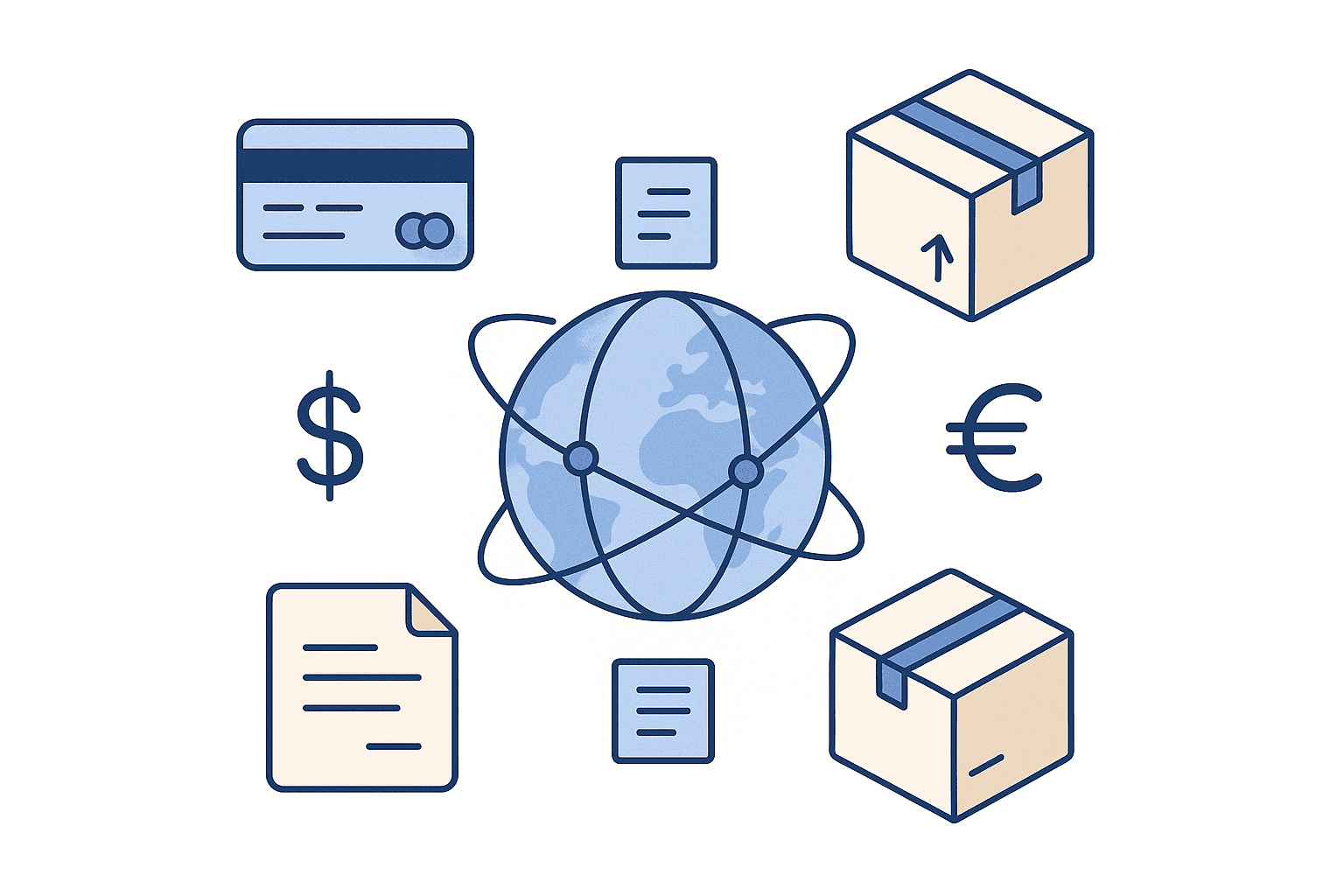
Centralize cross-border operations to accelerate and standardize outcomes: capture destination data at checkout, classify items accurately, and calculate duties and taxes to present full landed cost upfront. Ship DDP to avoid last‑mile collections, integrate with global carriers and fulfillment to select fastest lanes, and manage tracking and exceptions in one system. These steps minimize customs friction, eliminate surprise fees, compress transit times, and make delivery dates more predictable.

Explanation / Context

Cross-border shipping traditionally requires manual customs declarations, carrier coordination, and post-delivery tax collection. These steps create friction and unpredictability.

Modern shipping automation platforms centralize these processes into a single workflow.

How It Works

  1. Capture destination address at checkout

  2. Classify products and calculate duties and taxes

  3. Display full landed cost before payment

  4. Ship orders using DDP shipping

  5. Track delivery and handle exceptions centrally

Real-World Examples

A fashion brand ships from India to the UAE and EU using DDP. Customers see full landed cost at checkout and receive orders within 2–3 days.

Common Mistakes

  • Using DDU shipping

  • Estimating taxes instead of calculating them

  • Relying on postal services for premium delivery

Why This Matters for DTC Brands

Automated shipping reduces cart abandonment, minimizes delivery delays, and improves customer trust.

How SellAbroad Solves This

SellAbroad automates international shipping by calculating duties and taxes upfront, supporting DDP shipping, and integrating with regional fulfillment and carrier networks. Brands use SellAbroad to offer fast, predictable international delivery without managing customs manually.

Explanation / Context

Cross-border shipping traditionally requires manual customs declarations, carrier coordination, and post-delivery tax collection. These steps create friction and unpredictability.

Modern shipping automation platforms centralize these processes into a single workflow.

How It Works

  1. Capture destination address at checkout

  2. Classify products and calculate duties and taxes

  3. Display full landed cost before payment

  4. Ship orders using DDP shipping

  5. Track delivery and handle exceptions centrally

Real-World Examples

A fashion brand ships from India to the UAE and EU using DDP. Customers see full landed cost at checkout and receive orders within 2–3 days.

Common Mistakes

  • Using DDU shipping

  • Estimating taxes instead of calculating them

  • Relying on postal services for premium delivery

Why This Matters for DTC Brands

Automated shipping reduces cart abandonment, minimizes delivery delays, and improves customer trust.

How SellAbroad Solves This

SellAbroad automates international shipping by calculating duties and taxes upfront, supporting DDP shipping, and integrating with regional fulfillment and carrier networks. Brands use SellAbroad to offer fast, predictable international delivery without managing customs manually.

FAQ

### How does DDP improve delivery speed and predictability?

DDP pays duties and taxes before shipment, removing doorstep collection and reducing customs holds. Clearance proceeds more consistently, last‑mile handoffs are uninterrupted, and delivery windows become tighter and more reliable.

### What causes most delays in international delivery?

Delays commonly stem from incomplete recipient data, incorrect product classification, unpaid duties and taxes, and handoffs to slower postal networks. Weak exception management further increases dwell time at customs and in transit.

### How can I give accurate delivery dates for cross-border orders?

Use lane‑level transit data, choose service levels that meet target SLAs, ship DDP with prepaid duties, include a clearance buffer, and show a date range at checkout backed by real‑time tracking.

### Is automating customs worth it for low order volumes?

Yes. Automation reduces manual errors, speeds classification and documentation, and stabilizes clearance times, improving predictability now while providing a scalable foundation as volume increases.
