What is the easiest way to start selling my products worldwide?
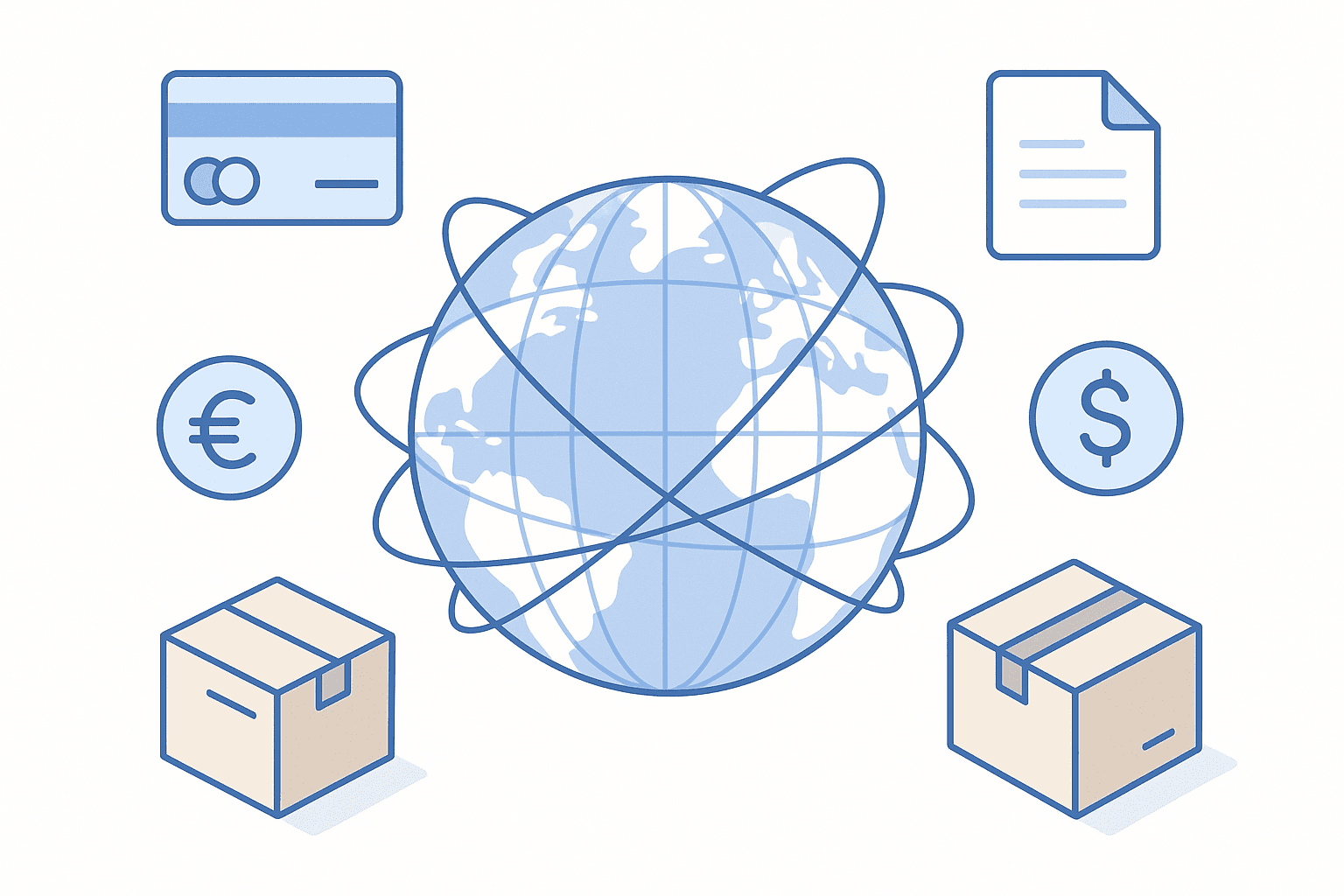
Adopt a cross-border infrastructure platform that centralizes localization, compliance, payments, duties, taxes, shipping, and returns. It enables local-currency pricing and checkout, supports regional payment methods, calculates and collects import fees at checkout, and routes orders to international or local carriers. Operating from a single legal entity, you gain unified tracking of orders and payouts, reduce cross-border friction, and enter multiple markets with minimal setup and ongoing complexity.
FAQ
### Do I need to open companies abroad to sell internationally?
Not always. A cross-border infrastructure layer lets many sellers operate from one legal entity while centralizing compliance, import fee collection, payments, and logistics. You still must confirm product eligibility and any market-specific registrations.
### How do I prevent surprise duties and taxes for customers?
Calculate and collect duties and taxes at checkout to present a total landed cost and minimize refusals. Use delivered duty paid (DDP) flows and avoid DDU that pushes unexpected charges to customers.
### Which payment methods and currencies should I support in new markets?
Offer local currency and popular local payment methods alongside international cards. This reduces declines and improves trust. Prioritize methods by adoption, authorization rates, and risk controls in each target country.
### What does selling from a single legal entity change with cross-border infrastructure?
It removes multi-entity setup by consolidating contracts, payouts, and reporting while the infrastructure handles localized checkout, tax estimation and collection, and carrier integrations across markets.
