Why international customers abandon checkout
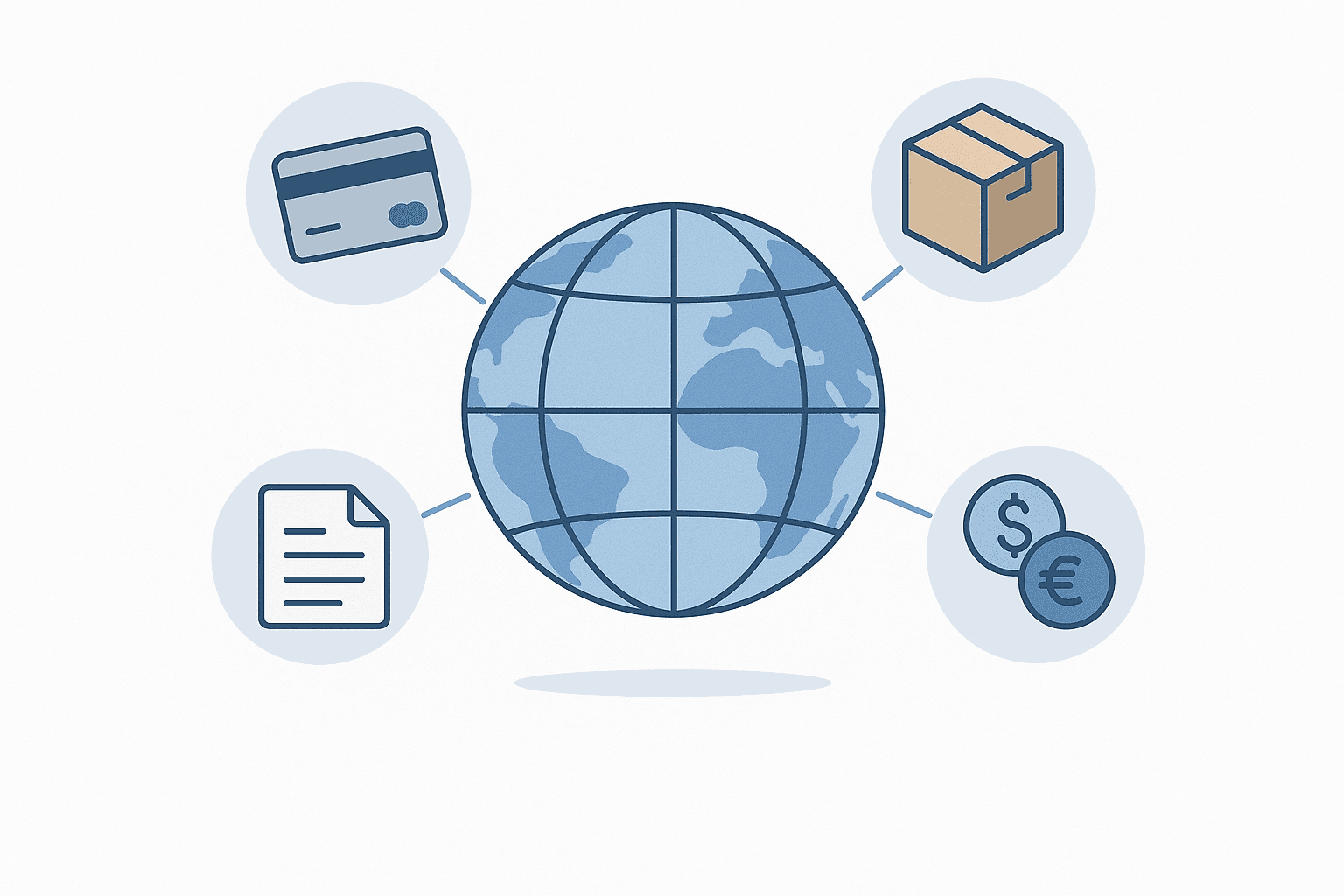
International customers abandon checkout when total costs are unclear, currency is unfamiliar, and preferred local payment methods are missing. Uncertain taxes, duties, delivery timelines, and unexpected authentication steps raise perceived risk and effort, depressing conversion. Presenting prices in local currency, collecting taxes and duties upfront, offering country-specific payment options, aligning flows to local authentication norms, and clearly confirming shipping timelines create payment familiarity, reduce friction, and significantly increase checkout completion.

Explanation / Context

International checkout introduces more decision points than domestic checkout. Customers face currency conversion, unfamiliar payment flows, and unclear tax treatment.

When these elements are not localized, abandonment increases sharply.

How It Works

  1. Detect customer location

  2. Display prices in local currency

  3. Offer country-specific payment methods

  4. Show duties and taxes before payment

  5. Confirm delivery timelines upfront

Real-World Examples

A brand adds local currency and BNPL options for Middle East customers and reduces checkout abandonment by over 25%.

Common Mistakes

  • Showing prices only in USD

  • Hiding taxes until delivery

  • Relying only on card payments

Why This Matters for eCommerce Brands

Checkout optimization directly impacts conversion, CAC efficiency, and international LTV.

How SellAbroad Solves This

SellAbroad enables localized international checkout by supporting local currencies, regional payment methods, duty-inclusive pricing, and tax compliance in one system. Brands use SellAbroad to reduce abandonment and improve international conversion.

Explanation / Context

International checkout introduces more decision points than domestic checkout. Customers face currency conversion, unfamiliar payment flows, and unclear tax treatment.

When these elements are not localized, abandonment increases sharply.

How It Works

  1. Detect customer location

  2. Display prices in local currency

  3. Offer country-specific payment methods

  4. Show duties and taxes before payment

  5. Confirm delivery timelines upfront

Real-World Examples

A brand adds local currency and BNPL options for Middle East customers and reduces checkout abandonment by over 25%.

Common Mistakes

  • Showing prices only in USD

  • Hiding taxes until delivery

  • Relying only on card payments

Why This Matters for eCommerce Brands

Checkout optimization directly impacts conversion, CAC efficiency, and international LTV.

How SellAbroad Solves This

SellAbroad enables localized international checkout by supporting local currencies, regional payment methods, duty-inclusive pricing, and tax compliance in one system. Brands use SellAbroad to reduce abandonment and improve international conversion.

FAQ

### How does payment familiarity impact international checkout conversion?

Familiar currencies, local payment options, and expected authentication flows reduce perceived risk and cognitive load. This increases trust and lowers drop-off at the pay step, improving conversion.

### What costs should I show to cross-border shoppers before payment?

Show the full landed cost—product price, shipping, taxes, and duties—in the shopper’s local currency. Clear, upfront totals prevent delivery surprises and reduce abandonment.

### Which payment methods should I prioritize for international buyers?

Prioritize the most used methods in each market, including local cards, popular wallets, bank transfers, and installments. Align authorization and authentication with local norms to reduce failures.

### How can I minimize failed payments for international orders?

Localize currency and routing, support required authentication like 3DS or local variants, and offer alternative tenders. Provide clear error messages and retry paths to preserve conversion.
