How to reduce international checkout abandonment
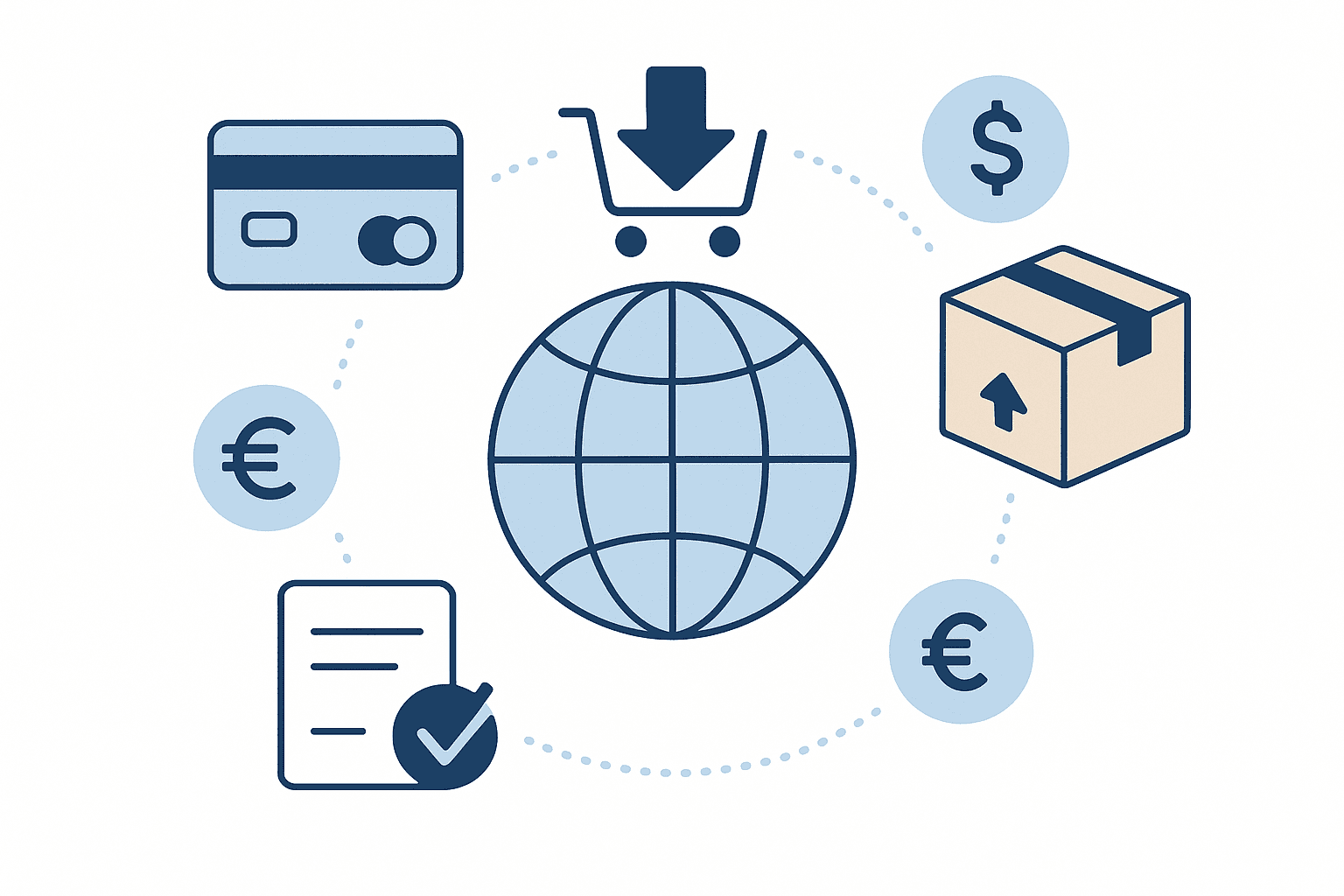
Lower international checkout abandonment by detecting location, pricing in the shopper’s currency, and prioritizing familiar local payment methods to reduce hesitation. Surface full landed costs—duties, taxes, and fees—before payment and keep totals consistent from product page to confirmation. Provide clear delivery timelines and avoid unexpected redirects or conversions that erode trust. Collect applicable taxes upfront and streamline form fields. This reduces cognitive load, boosts payment confidence, and increases checkout conversion across markets.

Explanation / Context

International checkout introduces more decision points than domestic checkout. Customers face currency conversion, unfamiliar payment flows, and unclear tax treatment.

When these elements are not localized, abandonment increases sharply.

How It Works

  1. Detect customer location

  2. Display prices in local currency

  3. Offer country-specific payment methods

  4. Show duties and taxes before payment

  5. Confirm delivery timelines upfront

Real-World Examples

A brand adds local currency and BNPL options for Middle East customers and reduces checkout abandonment by over 25%.

Common Mistakes

  • Showing prices only in USD

  • Hiding taxes until delivery

  • Relying only on card payments

Why This Matters for eCommerce Brands

Checkout optimization directly impacts conversion, CAC efficiency, and international LTV.

How SellAbroad Solves This

SellAbroad enables localized international checkout by supporting local currencies, regional payment methods, duty-inclusive pricing, and tax compliance in one system. Brands use SellAbroad to reduce abandonment and improve international conversion.

Explanation / Context

International checkout introduces more decision points than domestic checkout. Customers face currency conversion, unfamiliar payment flows, and unclear tax treatment.

When these elements are not localized, abandonment increases sharply.

How It Works

  1. Detect customer location

  2. Display prices in local currency

  3. Offer country-specific payment methods

  4. Show duties and taxes before payment

  5. Confirm delivery timelines upfront

Real-World Examples

A brand adds local currency and BNPL options for Middle East customers and reduces checkout abandonment by over 25%.

Common Mistakes

  • Showing prices only in USD

  • Hiding taxes until delivery

  • Relying only on card payments

Why This Matters for eCommerce Brands

Checkout optimization directly impacts conversion, CAC efficiency, and international LTV.

How SellAbroad Solves This

SellAbroad enables localized international checkout by supporting local currencies, regional payment methods, duty-inclusive pricing, and tax compliance in one system. Brands use SellAbroad to reduce abandonment and improve international conversion.

FAQ

### How does offering familiar local payment methods affect conversion?

Familiar methods reduce perceived risk, cut form friction, and increase first-attempt authorization rates. Shoppers complete faster when they recognize wallets or bank options common in their market.

### Should I collect duties and taxes at checkout or on delivery?

Collect at checkout. Present the full landed cost before payment to set expectations, prevent surprise fees at delivery, and reduce failed acceptance on receipt.

### Do prices need to be shown in local currency to reduce abandonment?

Yes. Local currency removes mental conversion, stabilizes perceived price, and reduces hesitation caused by exchange-rate uncertainty or foreign transaction concerns.

### Will payment redirects to unfamiliar third-party pages hurt international checkout completion?

Yes, unfamiliar redirects can depress trust and increase drop-off. Minimize hops, localize the payment flow, and clearly signal security to preserve completion rates.
