Common challenges in global eCommerce expansion
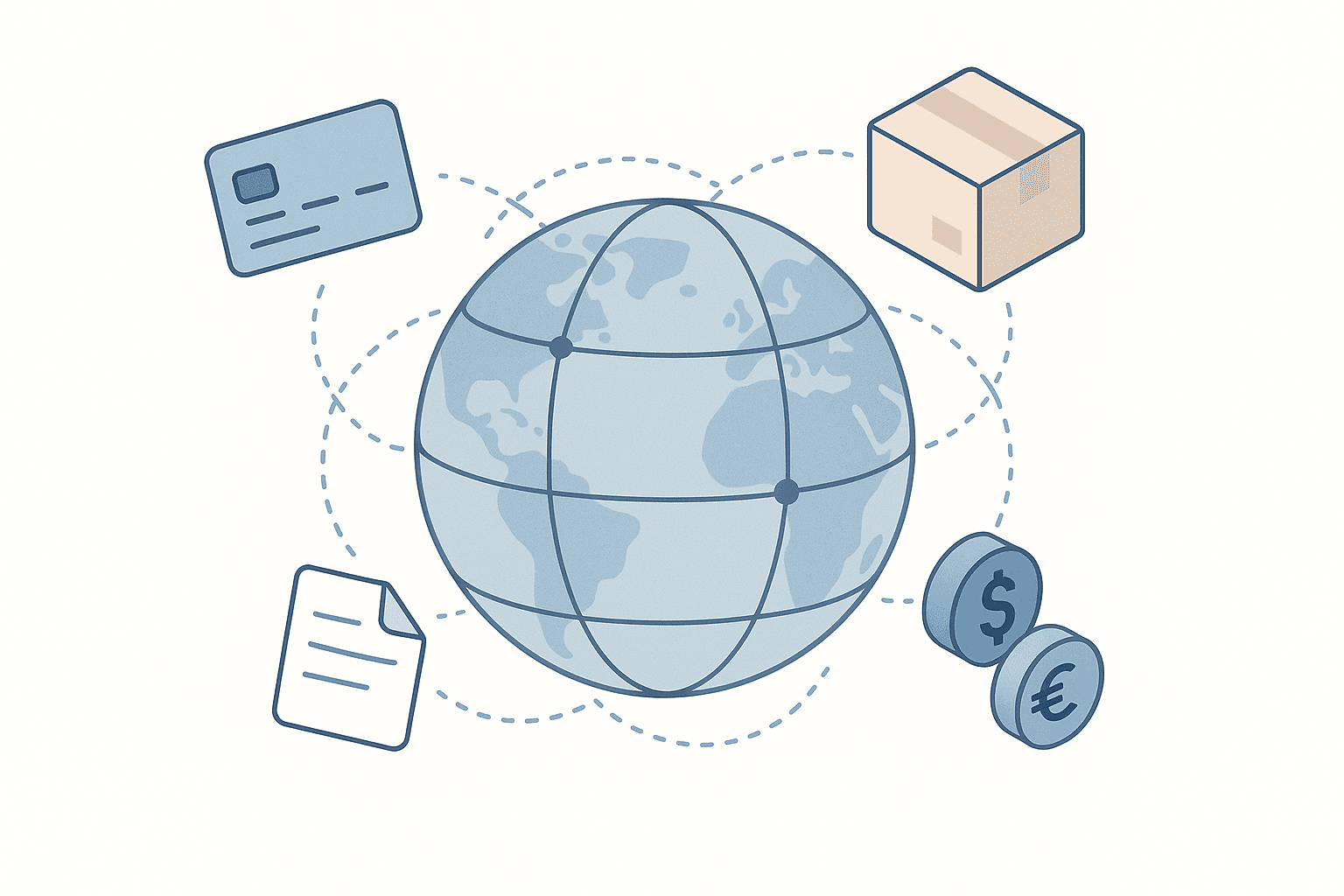
Mitigate global eCommerce challenges by implementing a single cross-border infrastructure that consolidates payments, logistics, tax, and compliance with automated country rules. Centralized data and unified integrations remove vendor sprawl, standardize reporting, and provide market-level visibility from one dashboard. This simplification accelerates launches, reduces operational risk and costs, supports consistent governance, and limits headcount growth while preserving local flexibility. A single operating layer replaces fragmented stacks and streamlines expansion across regions.
FAQ
### How does a single cross-border infrastructure reduce the need for country-specific vendors?
By unifying payments, logistics, taxes, and compliance behind one integration, you configure country rules centrally and apply them automatically. This cuts duplicate contracts, standardizes data, and reduces manual reconciliation and failure points.
### Do centralized systems still allow local payment methods and tax rules?
Yes. A centralized layer supports localized payment methods, currencies, tax calculations, and checkout flows via country-specific configurations, preserving local experiences while sharing core services and governance.
### What data should I centralize to manage international operations effectively?
Centralize orders, payouts, refunds, taxes, duties, shipping statuses, inventory, and market-level performance metrics. A common schema enables accurate forecasting, compliance reporting, anomaly detection, and faster root-cause analysis.
### When should I add local teams instead of relying on a centralized model?
Add local teams when regulatory requirements mandate in-country presence, when service SLAs need on-the-ground coordination, or when merchandising, support, and partnerships demand deep cultural and language expertise.
