Is cross-border eCommerce profitable
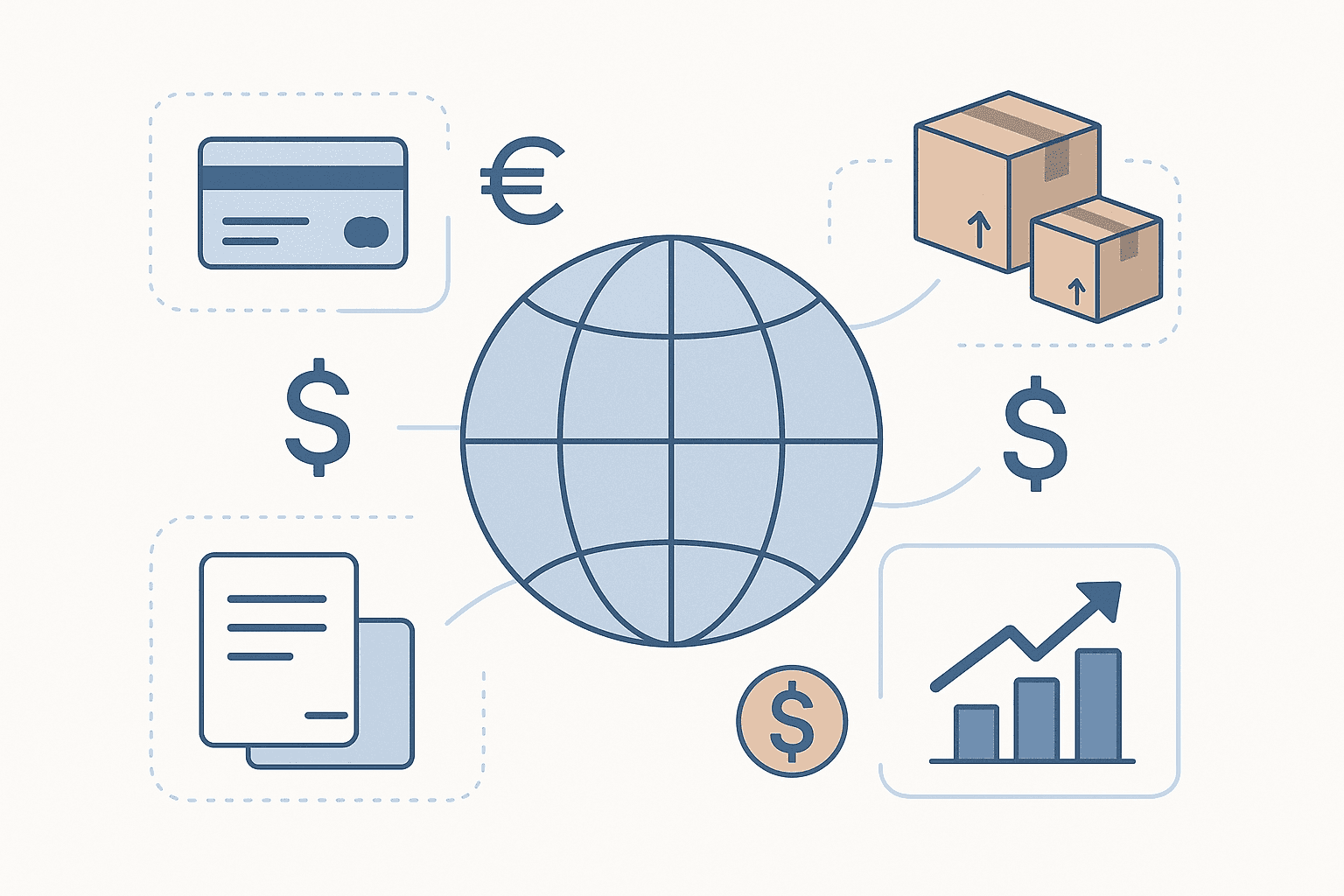
Cross-border eCommerce is profitable when you minimize risk and cost through centralization and precise landed-cost control. Use one operating layer for payments, logistics, taxes, and reporting to cut overhead and errors. Price for duties, VAT, shipping, and returns, enforce reliable delivery and clear return rules, and manage FX and fraud exposure. Automating country-specific compliance and consolidating data reduce penalties and rework, unlocking scalable margins across regions.

Explanation / Context

Global expansion often leads brands to add new tools, teams, and workflows for each country. Over time, this creates operational sprawl.

A centralized global eCommerce stack replaces fragmented systems with a single operating layer.

How It Works

  1. Use one integration for payments, logistics, and taxes

  2. Apply country-specific rules automatically

  3. Centralize order, payout, and performance data

  4. Scale into new markets without adding new vendors

  5. Monitor performance by region from one dashboard

Real-World Examples

A DTC brand expands from 3 to 12 countries without hiring local teams by consolidating payments, shipping, and compliance into one platform.

Common Mistakes

  • Adding tools market by market

  • Hiring local teams too early

  • Lacking country-level visibility

Why This Matters for Scaling Brands

Centralization lowers operational costs, reduces risk, and improves decision-making speed.

How SellAbroad Solves This

SellAbroad provides a unified infrastructure for cross-border eCommerce, combining payments, shipping, tax handling, and reporting into one system. Brands use SellAbroad to scale internationally without increasing headcount or operational complexity.

Explanation / Context

Global expansion often leads brands to add new tools, teams, and workflows for each country. Over time, this creates operational sprawl.

A centralized global eCommerce stack replaces fragmented systems with a single operating layer.

How It Works

  1. Use one integration for payments, logistics, and taxes

  2. Apply country-specific rules automatically

  3. Centralize order, payout, and performance data

  4. Scale into new markets without adding new vendors

  5. Monitor performance by region from one dashboard

Real-World Examples

A DTC brand expands from 3 to 12 countries without hiring local teams by consolidating payments, shipping, and compliance into one platform.

Common Mistakes

  • Adding tools market by market

  • Hiring local teams too early

  • Lacking country-level visibility

Why This Matters for Scaling Brands

Centralization lowers operational costs, reduces risk, and improves decision-making speed.

How SellAbroad Solves This

SellAbroad provides a unified infrastructure for cross-border eCommerce, combining payments, shipping, tax handling, and reporting into one system. Brands use SellAbroad to scale internationally without increasing headcount or operational complexity.

FAQ

### How do I calculate landed cost to avoid margin leakage?

Sum unit product cost, duty, VAT/GST, shipping, insurance, brokerage, payment fees, FX spread, fraud/chargebacks, and returns/refurbishment. Compare this to the local net selling price to set price floors and protect margins.

### What risks most erode cross-border profitability?

FX volatility, high return rates, fraud and chargebacks, customs misclassification, noncompliance fines, delivery failures, and fragmented vendors creating duplicate fees. Mitigate with hedging, accurate HS codes, robust fraud controls, and unified operations.

### Is centralizing payments, logistics, and taxes actually cheaper?

Usually yes. One integration reduces engineering overhead, consolidates contracts, removes vendor overlap, and automates compliance. Centralized data also lowers rework and penalty risks while maintaining local payment and shipping options via configuration.

### When will my cross-border store turn profitable?

When contribution margin after duties, shipping, payment costs, support, and expected returns is positive with acceptable CAC payback. Indicators include stable payment acceptance, on-time delivery, and return rates within target.
