How to scale cross-border sales sustainably
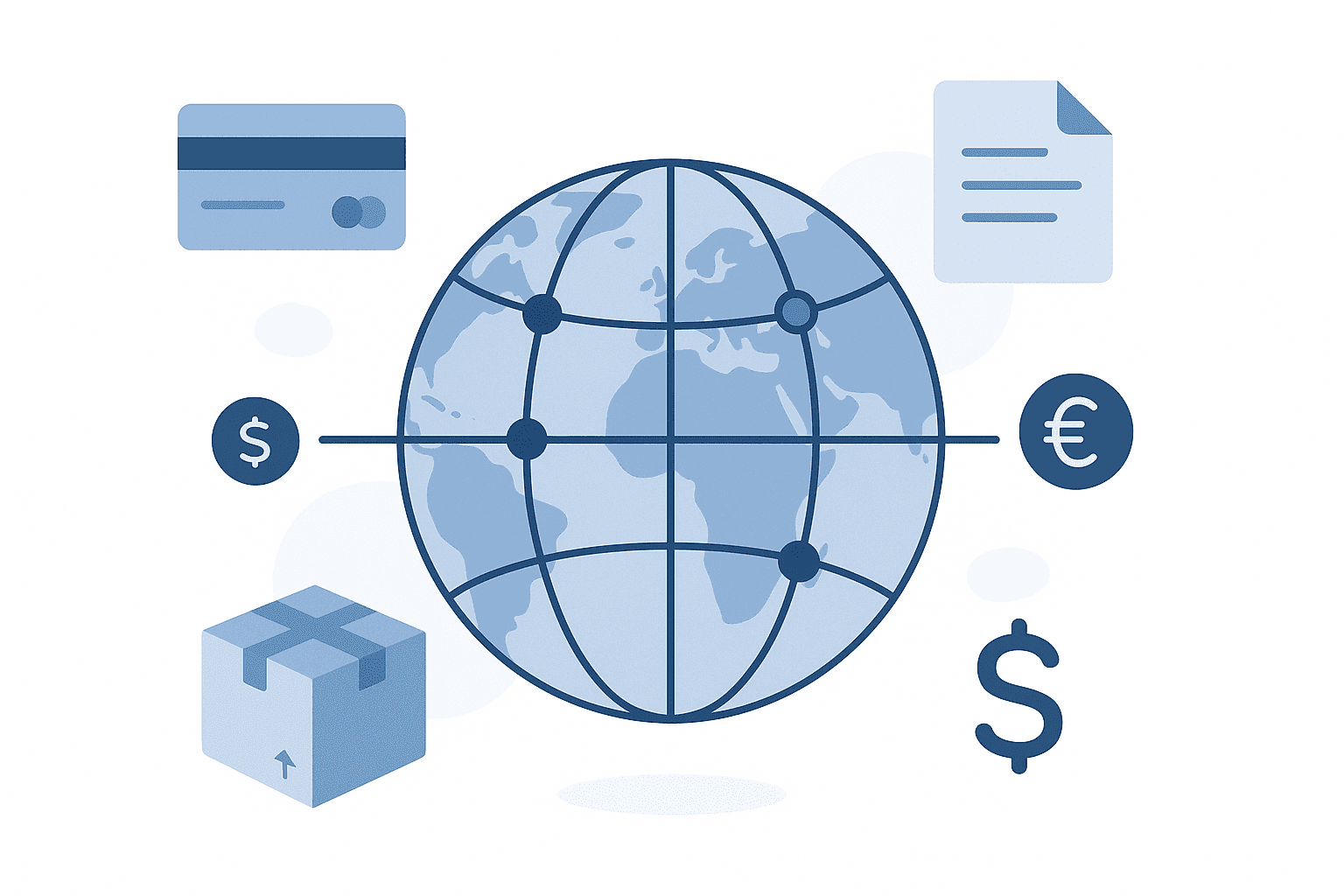
You can scale cross-border sales sustainably by centralizing payments, logistics, tax compliance, and data into a single operating layer. Consolidation reduces tool sprawl, standardizes workflows, and enables automation of country-specific rules. Unified order, payout, and performance data improves visibility and speeds decisions, while one dashboard streamlines monitoring by region. This model lowers operational overhead and integration burden, limits headcount growth, and accelerates market launches without sacrificing localization or regulatory adherence.
FAQ
### What does a centralized operating layer for cross-border sales include?
It unifies payments processing, logistics orchestration, tax and duty handling, compliance rules, and core data—orders, payouts, and performance—so operations run from one place with standardized workflows.
### How do I keep localization while centralizing operations?
Encode country-specific rules for pricing, taxes, shipping methods, currencies, language, and compliance within the unified layer. Automation applies the correct configuration per market without manual intervention.
### Which data should be unified to improve cross-border efficiency?
Centralize orders, refunds, payouts, inventories, and regional performance metrics. Consistent schemas enable reliable reporting, faster decision-making, earlier issue detection, and simpler benchmarking across markets.
### How does centralization change cost structure and hiring plans?
Consolidation reduces vendor fees, integration maintenance, and duplicate workflows, which limits early headcount growth. Shared tooling delays the need for country-specific teams while sustaining operational quality.
