How to increase conversion with localized payments
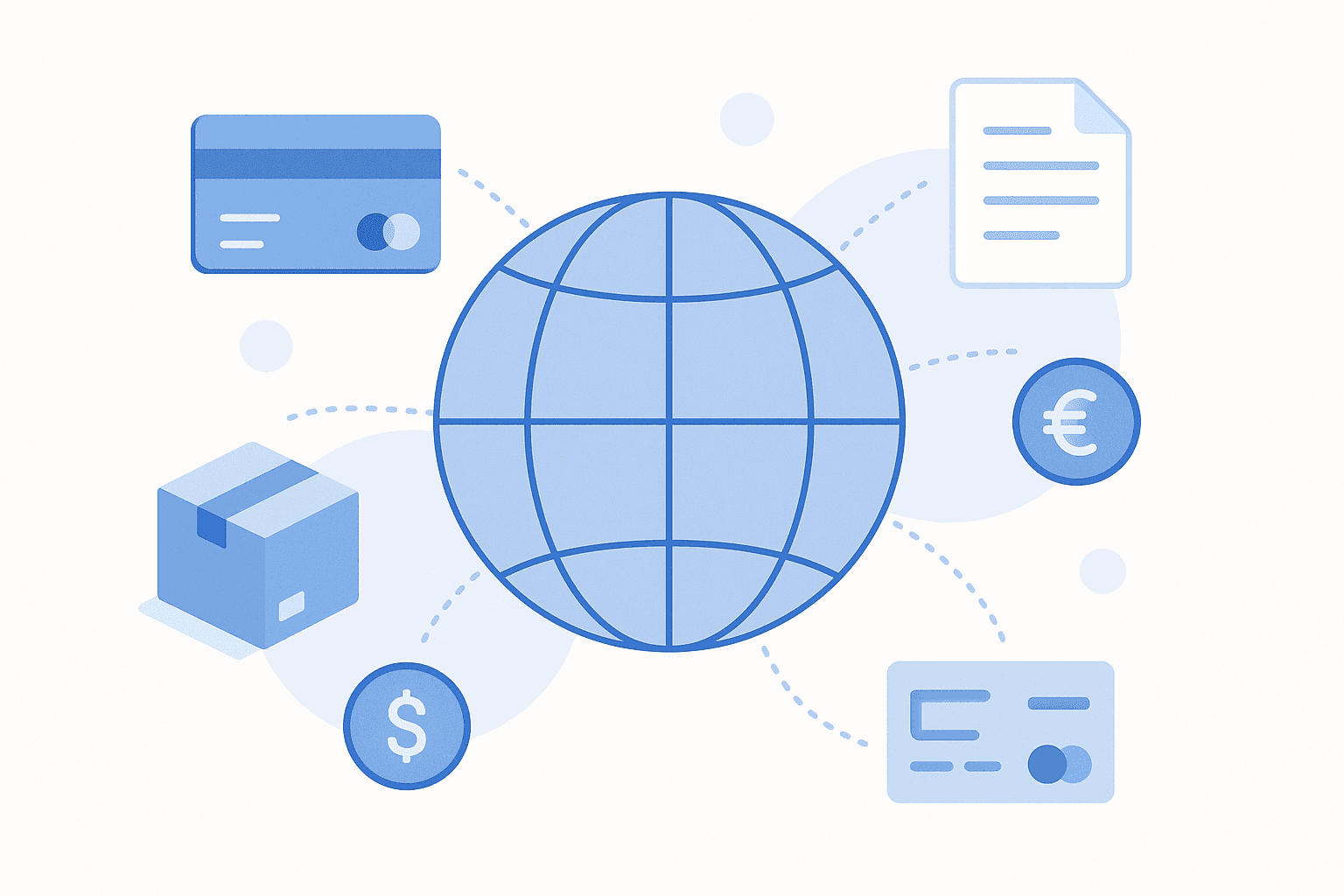
Increase conversion by mirroring each market’s familiar checkout: present prices in local currency, surface preferred local payment methods, and calculate duties and taxes upfront. Use native address formats, language, and clear delivery timelines to reduce friction and uncertainty. Apply region-specific authentication and fraud rules to minimize declines while maintaining approval rates. Centralize settlement and compliance so shoppers experience local payment familiarity, improving trust, authorization, and completed checkouts across borders.
FAQ
### Do localized payment methods really improve checkout conversion?
Yes. Offering familiar ways to pay, pricing in local currency, and showing total costs upfront reduce friction and uncertainty, which raises authorization rates and checkout completion.
### Which local payment options should I prioritize first?
Prioritize each market’s most-used methods by share and acceptance: popular wallets, local cards, bank redirects, and installments. Pair them with local currency, address formats, and required authentication.
### How can I test payment familiarity without creating foreign entities?
Use cross-border processing that supports local methods and currencies from a single entity, register for taxes where needed, ship from current warehouses, and measure approval and completion rates.
### What signals show shoppers aren’t comfortable with my payment options?
Watch for high drop-off on the payment step, low authorization rates, repeated payment retries, preference for cash-on-delivery where offered, and complaints about currency or unexpected fees.
