Tools that automate global shipping and taxes
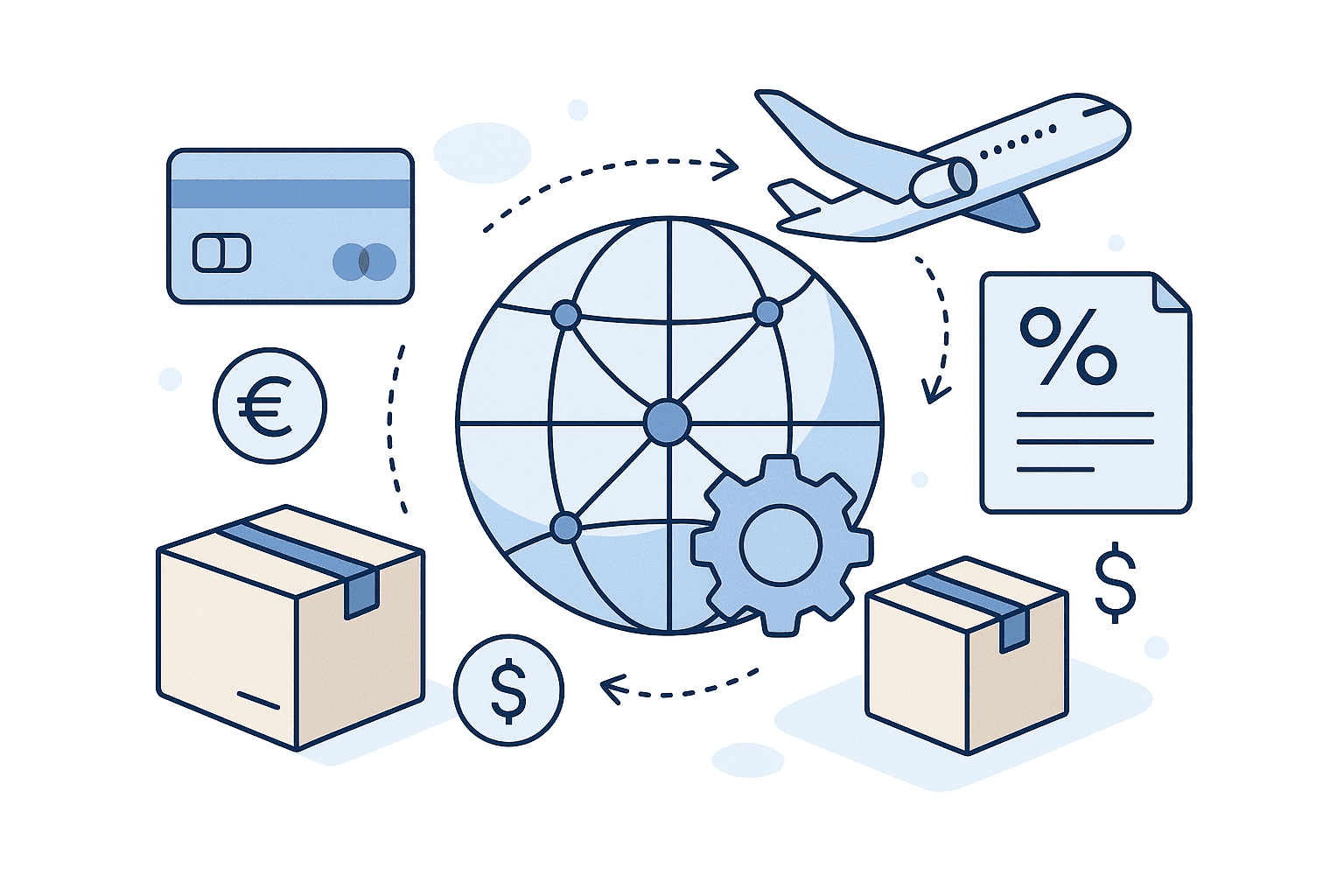
Automation tools unify classification, duty/VAT calculation, landed-cost presentation, and DDP label generation, then transmit customs data electronically and collect import fees prepayment. Orders route to optimal carriers and services, with tracking and exception management centralized. By removing manual brokerage steps and surprise charges, these systems shorten transit times, reduce customs holds, and deliver consistent ETAs across borders, improving on-time performance and reliability for cross-border shipments.
FAQ
### How do automation tools make cross-border delivery times more predictable?
They standardize data capture, transmit electronic customs declarations, prepay duties and taxes, and select carrier services with known transit profiles. This reduces clearance variability, minimizes last‑mile payment holds, and produces more reliable ETAs.
### Does paying duties and taxes upfront make delivery faster?
Yes. Prepaid duties and taxes enable smoother customs processing and remove last‑mile collection attempts. This avoids refusals and delays, often accelerating delivery and improving on‑time performance.
### What information is required to show accurate landed costs at checkout?
Provide destination address, product descriptions or HS codes, country of origin, item values and currency, shipping service, and any exemptions or thresholds. The system calculates duties, taxes, and fees to present a precise total.
### How are delivery delays and exceptions handled in these systems?
Tracking events are centralized, with alerts for holds, address issues, or documentation requests. Automated workflows trigger document resubmission, address correction, re‑delivery, or returns to prevent prolonged delays.
