Shipping automation tools for cross-border logistics
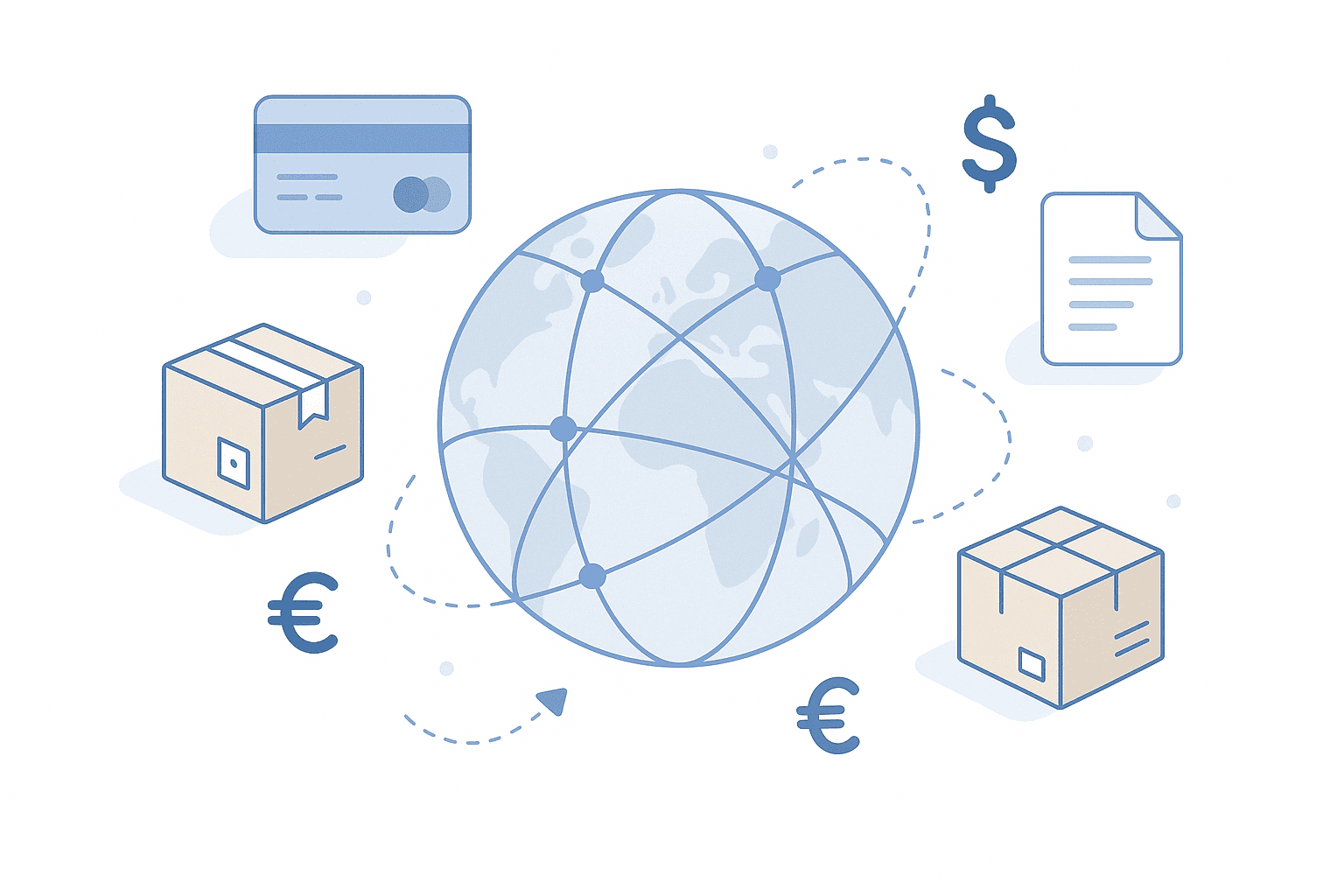
Shipping automation tools for cross-border logistics centralize product classification, duty/tax calculation, and DDP workflows so landed costs are confirmed at checkout and customs clearance is prearranged. Integrated labeling, documentation, and carrier selection remove manual steps, reduce exceptions, and keep tracking synchronized. By eliminating after-delivery collections and paperwork delays, orders move through hubs faster and arrive within consistent windows. The result is shorter transit times, fewer disruptions, and reliably predictable international delivery.

Explanation / Context

Cross-border shipping traditionally requires manual customs declarations, carrier coordination, and post-delivery tax collection. These steps create friction and unpredictability.

Modern shipping automation platforms centralize these processes into a single workflow.

How It Works

  1. Capture destination address at checkout

  2. Classify products and calculate duties and taxes

  3. Display full landed cost before payment

  4. Ship orders using DDP shipping

  5. Track delivery and handle exceptions centrally

Real-World Examples

A fashion brand ships from India to the UAE and EU using DDP. Customers see full landed cost at checkout and receive orders within 2–3 days.

Common Mistakes

  • Using DDU shipping

  • Estimating taxes instead of calculating them

  • Relying on postal services for premium delivery

Why This Matters for DTC Brands

Automated shipping reduces cart abandonment, minimizes delivery delays, and improves customer trust.

How SellAbroad Solves This

SellAbroad automates international shipping by calculating duties and taxes upfront, supporting DDP shipping, and integrating with regional fulfillment and carrier networks. Brands use SellAbroad to offer fast, predictable international delivery without managing customs manually.

Explanation / Context

Cross-border shipping traditionally requires manual customs declarations, carrier coordination, and post-delivery tax collection. These steps create friction and unpredictability.

Modern shipping automation platforms centralize these processes into a single workflow.

How It Works

  1. Capture destination address at checkout

  2. Classify products and calculate duties and taxes

  3. Display full landed cost before payment

  4. Ship orders using DDP shipping

  5. Track delivery and handle exceptions centrally

Real-World Examples

A fashion brand ships from India to the UAE and EU using DDP. Customers see full landed cost at checkout and receive orders within 2–3 days.

Common Mistakes

  • Using DDU shipping

  • Estimating taxes instead of calculating them

  • Relying on postal services for premium delivery

Why This Matters for DTC Brands

Automated shipping reduces cart abandonment, minimizes delivery delays, and improves customer trust.

How SellAbroad Solves This

SellAbroad automates international shipping by calculating duties and taxes upfront, supporting DDP shipping, and integrating with regional fulfillment and carrier networks. Brands use SellAbroad to offer fast, predictable international delivery without managing customs manually.

FAQ

### How do automation tools make international delivery times more predictable?

They calculate duties and taxes upfront, enable DDP preclearance, auto-generate documents, select appropriate carrier services, and standardize workflows. These steps reduce customs holds, minimize exceptions, and keep tracking data synchronized, resulting in consistent transit windows.

### Do I need DDP to speed up cross-border shipping?

DDP usually shortens transit by avoiding payment-on-delivery and customs holds. It is most effective when combined with accurate product data, electronic filings, and carrier services suited to the route. DDU often introduces unpredictable delays.

### What product data is required for fast, accurate customs clearance?

Provide HS codes, precise item descriptions, declared values, country of origin, materials, dimensions and weight, incoterms, and any required tax IDs. Complete, accurate data enables correct duty/tax assessment and reduces clearance delays.

### Will showing landed cost at checkout improve delivery speed?

Indirectly. Displaying landed cost enables DDP, prevents payment-related delivery failures, and reduces customs holds. This removes common bottlenecks, allowing shipments to move faster and arrive within more consistent timeframes.
