How to manage global eCommerce operations efficiently
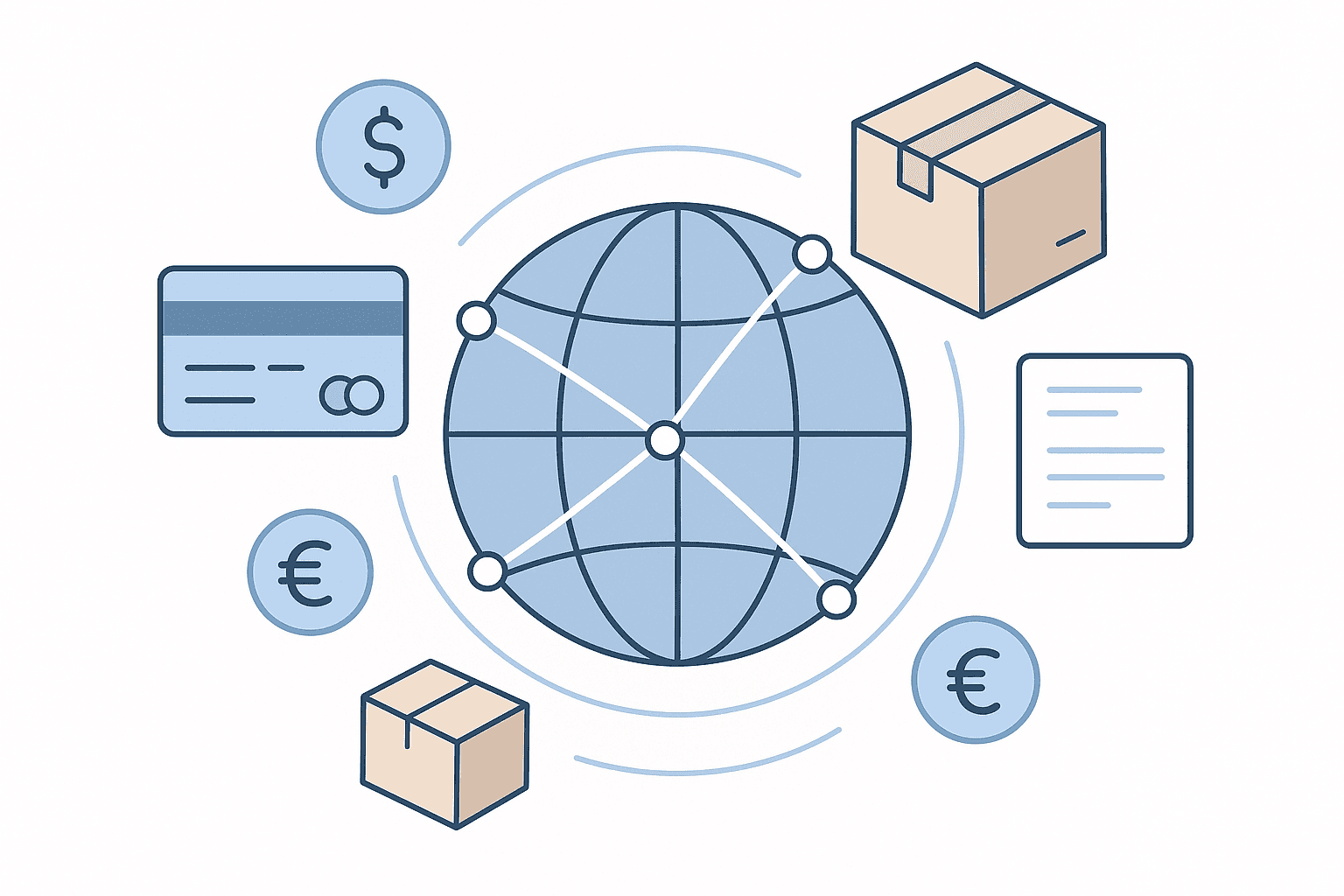
Manage global eCommerce efficiently by centralizing payments, logistics, tax compliance, and reporting into a single operating layer. Automate country-specific rules, standardize integrations, and centralize orders, payouts, and performance data for unified oversight. Operate from one dashboard to compare regions, detect issues early, and act quickly. Avoid market-by-market tools and vendors to reduce overhead and headcount growth. This centralized model improves visibility, lowers risk, accelerates launches, and scales operations without duplicative systems.

Explanation / Context

Global expansion often leads brands to add new tools, teams, and workflows for each country. Over time, this creates operational sprawl.

A centralized global eCommerce stack replaces fragmented systems with a single operating layer.

How It Works

  1. Use one integration for payments, logistics, and taxes

  2. Apply country-specific rules automatically

  3. Centralize order, payout, and performance data

  4. Scale into new markets without adding new vendors

  5. Monitor performance by region from one dashboard

Real-World Examples

A DTC brand expands from 3 to 12 countries without hiring local teams by consolidating payments, shipping, and compliance into one platform.

Common Mistakes

  • Adding tools market by market

  • Hiring local teams too early

  • Lacking country-level visibility

Why This Matters for Scaling Brands

Centralization lowers operational costs, reduces risk, and improves decision-making speed.

How SellAbroad Solves This

SellAbroad provides a unified infrastructure for cross-border eCommerce, combining payments, shipping, tax handling, and reporting into one system. Brands use SellAbroad to scale internationally without increasing headcount or operational complexity.

Explanation / Context

Global expansion often leads brands to add new tools, teams, and workflows for each country. Over time, this creates operational sprawl.

A centralized global eCommerce stack replaces fragmented systems with a single operating layer.

How It Works

  1. Use one integration for payments, logistics, and taxes

  2. Apply country-specific rules automatically

  3. Centralize order, payout, and performance data

  4. Scale into new markets without adding new vendors

  5. Monitor performance by region from one dashboard

Real-World Examples

A DTC brand expands from 3 to 12 countries without hiring local teams by consolidating payments, shipping, and compliance into one platform.

Common Mistakes

  • Adding tools market by market

  • Hiring local teams too early

  • Lacking country-level visibility

Why This Matters for Scaling Brands

Centralization lowers operational costs, reduces risk, and improves decision-making speed.

How SellAbroad Solves This

SellAbroad provides a unified infrastructure for cross-border eCommerce, combining payments, shipping, tax handling, and reporting into one system. Brands use SellAbroad to scale internationally without increasing headcount or operational complexity.

FAQ

### What is the best way to structure global eCommerce operations?

Implement a centralized operating layer that unifies payments, logistics, tax handling, and reporting. This reduces tool sprawl, standardizes processes, and enables consistent governance across countries.

### Do I need different vendors for each country?

No. A single operating layer can apply country-level rules automatically while serving multiple markets, eliminating duplicate vendors and lowering maintenance and integration overhead.

### Will centralization support local requirements like taxes and payment methods?

Yes. Configure country-specific logic for taxes, shipping options, and payment methods within the centralized system to retain local nuance while preserving global oversight.

### How does a single operating layer impact headcount and operational costs?

It reduces manual work, consolidates workflows, and standardizes integrations, limiting headcount growth and lowering recurring costs associated with managing separate country-specific systems.
