How to optimize checkout for foreign customers
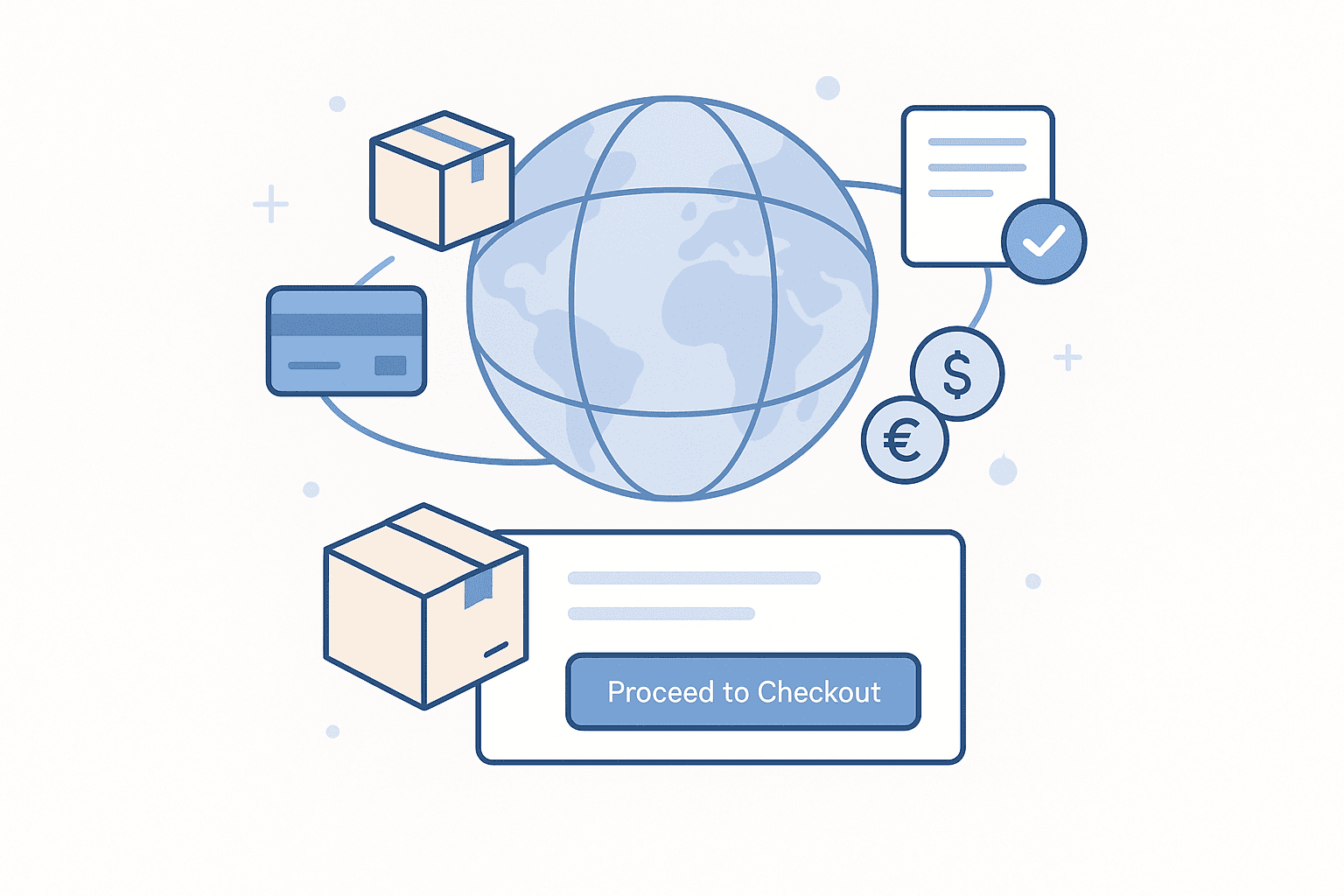
Optimize checkout for foreign customers by detecting location, pricing in local currency, and using the shopper’s language. Offer familiar, country-specific payment methods and clearly present duties, taxes, and shipping before payment to show total landed cost. Provide accurate delivery timelines and collect applicable taxes at checkout to prevent surprises. Reducing uncertainty and requiring fewer unfamiliar steps increases trust and completion rates, improving cross-border checkout conversion and lowering abandonment.
FAQ
### How do familiar payment methods affect international checkout conversion?
Familiar, country-specific payment options reduce cognitive load and perceived risk, leading to higher completion rates. Shoppers trust methods they use daily, so including top local options typically increases conversion and reduces abandonment.
### Do I need to show local currency or is conversion at payment enough?
Displaying prices in the shopper’s local currency throughout the checkout lowers friction and uncertainty. Waiting until the payment step for conversion creates confusion about final cost, which depresses conversion and increases drop-off.
### Should duties and taxes be collected at checkout for foreign orders?
Collecting applicable duties and taxes during checkout clarifies the total landed cost, reduces delivery surprises, speeds customs processing, and improves compliance. When shoppers see the full amount upfront, they are more likely to complete payment.
### How accurate should cross-border delivery estimates be to protect conversion?
Provide realistic ranges that include potential customs delays and handling times. Display estimates before payment and update them based on inventory and destination. Accurate expectations lower support requests and cancellations, preserving conversion.
