International checkout best practices
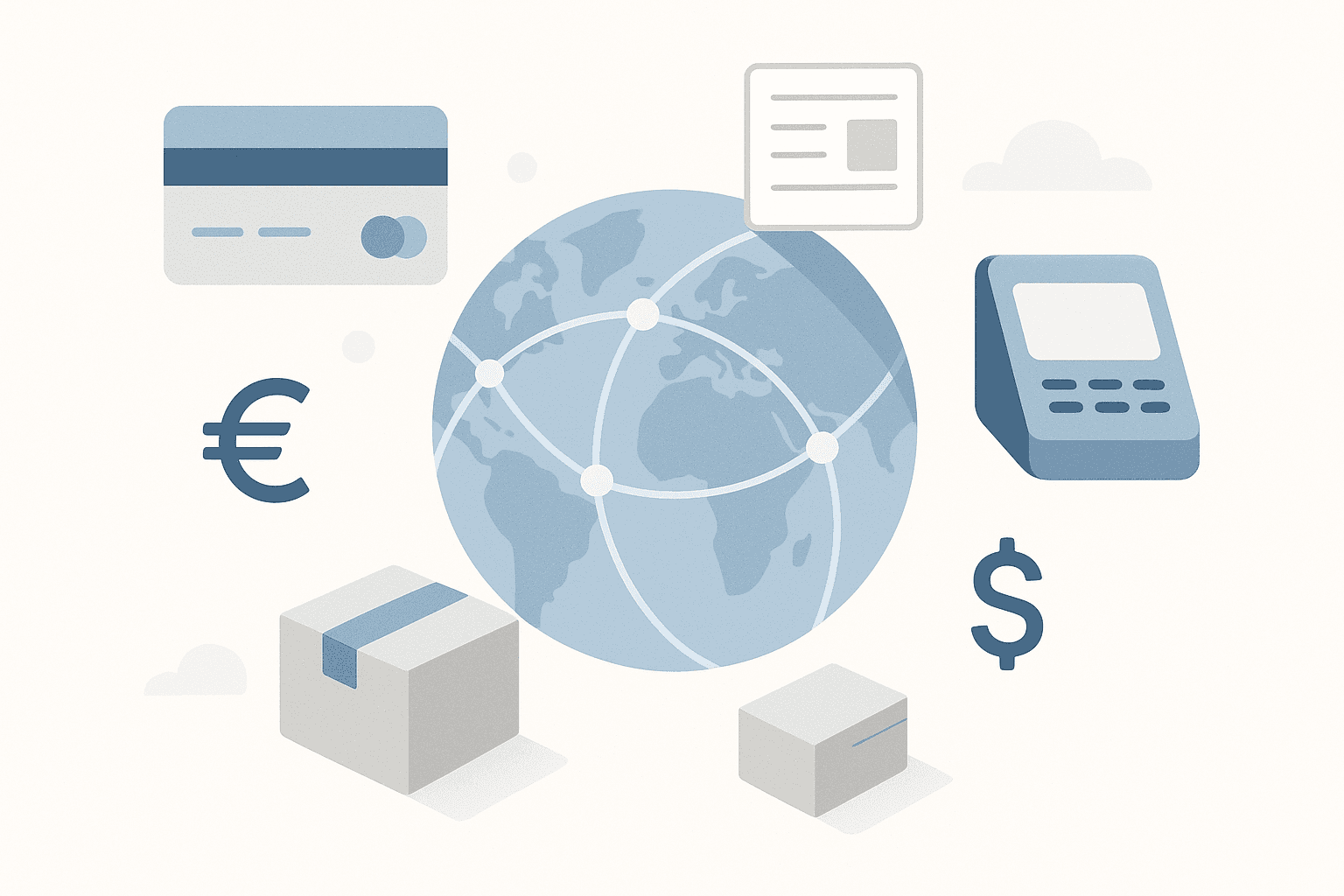
You improve international checkout conversion by mimicking a familiar, local experience. Detect location, show prices in local currency and language, and offer the country’s most-used payment methods. Display the full landed cost—item price, shipping, duties, and taxes—before payment, and collect taxes at checkout. Provide accurate delivery timelines and localized address formats. Optimize authorization routing and security checks to local norms. These steps reduce friction, increase trust, and raise completion rates.
FAQ
### How does payment-method familiarity impact international checkout conversion?
Payment familiarity reduces decision friction and increases trust, leading to higher selection and completion rates. Local methods also benefit from optimized authorization flows with regional networks, improving approval rates and reducing declines. Together, these effects raise end-to-end conversion.
### What should be shown before payment to prevent cross-border abandonment?
Present the full landed cost with duties, taxes, shipping, and any surcharges, in local currency. Include delivery timelines, return terms, and any import requirements. This transparency sets expectations and minimizes surprise fees or delays.
### How many payment options should I display per country?
Show a focused set of the top three to five locally popular methods to avoid choice overload. Prioritize the default based on device and basket size, and place less-used methods in an expandable list.
### How can I test which local payment methods increase conversion by country?
Run controlled experiments that vary payment-method availability and ordering. Track selection rate, authorization rate, and overall checkout completion. Segment by device, basket value, and customer status, and roll out winning configurations gradually.
